Menu

5 Foods to Stop Being S.A.D

Table of Contents

Seasonal affective disorder
Seasonal affective disorder (SAD) is a type of depression that changes people’s moods based on changing seasons. Symptoms usually are the most harmful around fall and peak during the winter months. Symptoms of SAD are similar to other forms of depression, including feelings of hopelessness, difficulty with focus, social disinterest, and exhaustion.

Treatments for SAD typically include prescription meds, behavioral therapy, physical exercises and most importantly, a clean diet. Here are some of the foods we’ve found that help boost moods in the fall and winter months.

1. Lean Meats

Salmon is very rich in lean proteins. While a thick-cut steak is tasty, the high saturated fat content may not be good for your mood or your body. Other lean-cut meats, however, carry plenty of amino acids, which may positively affect your mood. Lean proteins also boost energy, which is something you’ll need to help beat fatigue.

Featured on BlackDoctor

2. Berries

Stress exacerbates depression symptoms and drains the body. Blueberries, raspberries, and strawberries may help prevent the release of cortisol, a hormone produced by the adrenal gland.

During stressful situations, cortisol heads toward your hippocampus, a major portion of the brain that stores memories, provides emotional responses and helps with navigation. Keep berries in your bag to combat stress when it hits.

3. Folic Acid

Researchers have claimed that folic acid can boost the mood. There’s some evidence that the body uses it to increase serotonin levels — a neurotransmitter that affects mood — but there’s no definitive evidence yet as to how it works. Including it in your diet is a good idea nonetheless.

Folic acid can be found abundantly in leafy greens, oatmeal, sunflower seeds, oranges, fortified cereals, lentils, black-eyed peas, and soybeans.

4. Vitamin D

Known as the “sunshine vitamin”, Vitamin D is produced in the body by using cholesterol and absorbing natural sunshine. Research has stated that your mood may improve with as little as 10 minutes of sun exposure per day, which speaks to why light therapy is an important treatment for SAD.

Some great food sources for Vitamin D include milk, egg yolks, mushrooms, and fish that have bones. You can also get vitamin D in supplement form.

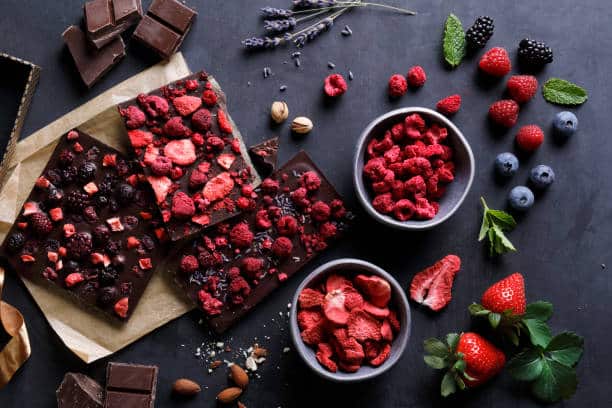
5. Dark Chocolate

Chocolate has always been a go-to comfort food. But a Hershey’s bar or a jar of chocolate ice cream isn’t the healthiest way to self-soothe.

Dark chocolate, however, is a sweet way to boost your mood. Participants in one study were given a dark chocolate mixed drink every day for a month. Results showed significantly improved mood, which researchers linked with a high polyphenol content. Polyphenols are a type of antioxidant.

When you’re feeling down, pick up a bar with the highest cacao content you can find.

Additional Tips for Combating SAD

While a balanced diet plays a key role in managing SAD, incorporating other lifestyle changes can significantly improve mood and energy levels. Here are some extra strategies to help combat seasonal affective disorder:


Light Therapy and Natural Light

  1. Use a Light Therapy Box: Invest in a light therapy box that mimics natural sunlight. Sitting in front of the box for 20-30 minutes each morning can help regulate your circadian rhythm and improve serotonin production.
  2. Maximize Natural Light Exposure: Open curtains, sit by a window, or take a short walk during daylight hours to increase exposure to natural sunlight.

Physical Activity

  1. Exercise Regularly: Engage in aerobic activities like walking, jogging, or dancing to release endorphins, the body’s natural mood elevators.
  2. Try Yoga or Stretching: Yoga not only reduces stress but also improves your overall mood through mindfulness and physical movement.

Sleep Hygiene

  1. Maintain a Regular Sleep Schedule: Go to bed and wake up at the same time daily to regulate your internal clock.
  2. Limit Screen Time Before Bed: Reduce blue light exposure from devices to improve sleep quality.

Mental Wellness Practices

  1. Practice Mindfulness and Meditation: Incorporating mindfulness exercises into your routine can help alleviate feelings of sadness and improve focus.
  2. Journaling: Write down your thoughts and feelings to gain perspective and track triggers that may worsen your mood.

Social Connection

  1. Stay Connected: Spend time with friends and family, or join a support group to combat feelings of isolation during the colder months.
  2. Plan Regular Outings: Even small activities like coffee dates or group exercise classes can improve mood and reduce social withdrawal.

Aromatherapy

  1. Use Essential Oils: Scents like lavender, citrus, and peppermint can help reduce stress and improve focus.

Creative Outlets

  1. Engage in Hobbies: Whether it’s painting, crafting, or cooking, creative activities can boost dopamine levels and provide a sense of accomplishment.

Nutritional Additions

  1. Magnesium-Rich Foods: Magnesium helps regulate mood by supporting healthy brain function. Foods like almonds, spinach, and bananas are great sources.
  2. Omega-3 Fatty Acids: Found in flaxseeds, walnuts, and fish, omega-3s can reduce symptoms of depression and improve mental clarity.
  3. Warm Comfort Foods: Soups, stews, and herbal teas can provide physical warmth and psychological comfort during colder months.

By integrating these tips with a nutrient-rich diet, light therapy, and regular exercise, you can proactively address SAD and maintain emotional balance throughout the fall and winter seasons.

SHARE
Related Stories
Answer the question below
What actions have you taken regarding your leaky heart valve?

Get our Weekly Newsletter

Stay informed on the latest breakthroughs in family health and wellness. Sign up today!

By subscribing, you consent to receive emails from BlackDoctor.com. You may unsubscribe at any time. Privacy Policy & Terms of Service.

More from BlackDoctor

Where Culture Meets Care

BlackDoctor is the world’s largest and most comprehensive online health resource specifically for the Black community. BlackDoctor understands that the uniqueness of Black culture - our heritage and our traditions - plays a role in our health. BlackDoctor gives you access to innovative new approaches to the health information you need in everyday language so you can break through the disparities, gain control and live your life to its fullest.
✦ AI Search Disclaimer
This AI-powered search tool helps you find relevant health articles from the BlackDoctor.org archive. Please keep the following in mind:
✦ For Informational Purposes Only
The information provided through this AI search is for general educational and informational purposes only. It is not intended as a substitute for professional medical advice, diagnosis, or treatment.
✦ Always Consult a Healthcare Provider
Never disregard professional medical advice or delay seeking it because of something you have read through this search tool. If you have a medical emergency, call your doctor or 911 immediately.
✦ AI Limitations
This search tool uses artificial intelligence to help match your queries with articles in our archive. While we strive for accuracy, AI-generated results may occasionally be incomplete, outdated, or not fully relevant to your specific situation.
✦ No Doctor-Patient Relationship
Using this search tool does not create a doctor-patient relationship between you and BlackDoctor.org or any healthcare provider.
Explore over 35,000 articles and videos across black health, wellness, lifestyle and culture
Full AI Search Experience >
×

Download PDF

Enter your name and email to receive the download link.

BlackDoctor AI Search