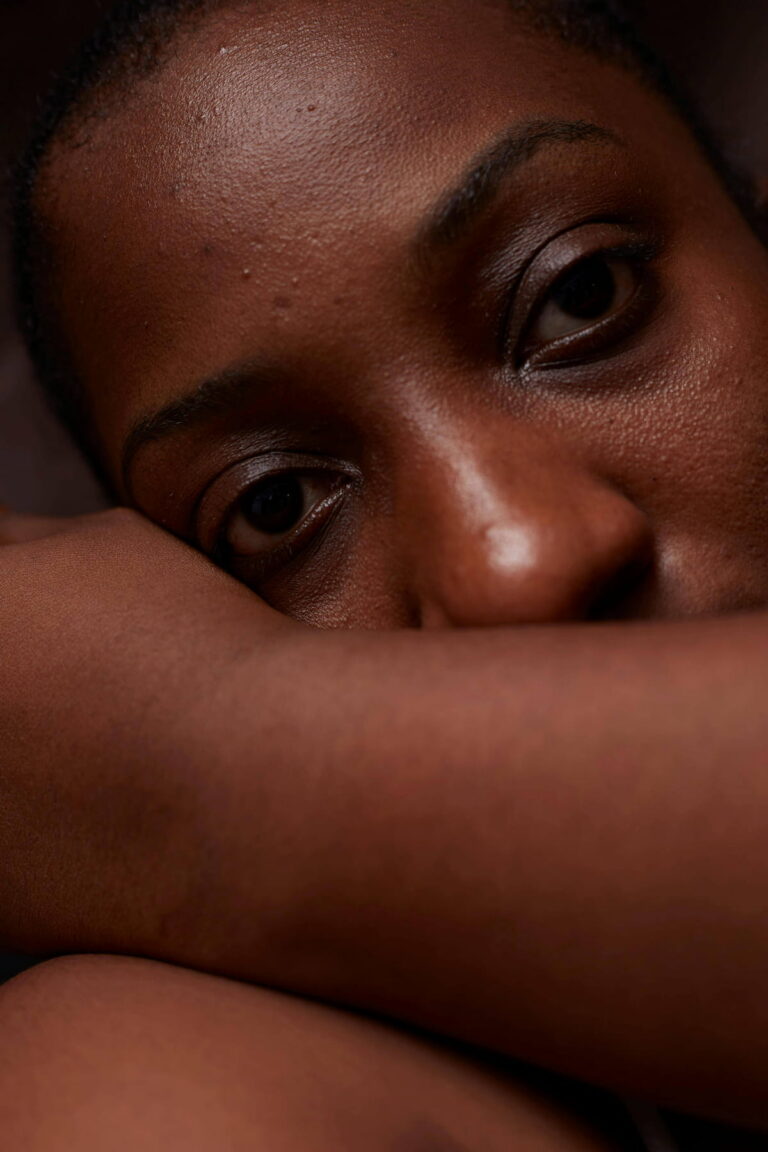
Black Superwoman Syndrome isn’t really a syndrome, but it does present certain key features of a “dis-order” of behaviors that have culminated in the demise of the spirit of the full bodied beauty of Black women. The myth of Black women is that we are impermeable.
Yet, the polarizing sides of Black women being strong and vulnerable, aggressive and gentle, respectable and desirable all seem to lean more to one point of view than the other. And some of the other points of view to which we have not even described for and by ourselves, we have still taken up as coats of armor worn proudly, with dignity and passed on as legacy through our families.
Just to take a step back for a moment, my thoughts on this matter are not conclusive of one type of Black woman at one given time, but it is a view of us that we have also attached to our thinking of who we are to be. However, the point I want to make here is that this narrow lens has created a dis-ease in our way of being.
African American women, although less often diagnosed with depression than Caucasian women, still deal with social and psychological challenges such as stereotyping, performance anxiety and daily stress to name a few, just as many other women do.
But do African American women give in to uncovering the equally important suffering we cope with as often as other woman? This is a question we all could be taking from the pages of small magazines to the offices of our practitioners and healers.
MUST READ: Why PTSD Is Undiagnosed In Many Black Women
So, how would a “strong” and determined woman that grew up in a family where women were the matriarchs and they didn’t complain, they didn’t admit to psychological suffering and took their concerns to the Lord know that they are in pain and need help?
Here are a few telling ways:
1. When you lack the desire to do anything pleasurable.
2. You feel so emotionally bad that you can’t talk about it without feeling bad or crying or becoming angry about it.
3. When you sleep more hours than you’re used to sleeping or you can’t seem to sleep at all.
4. When you lose the desire to engage with others and you isolate yourself from the world.
5. When you notice bodily changes such as weight gain or significant weight loss for inexplicable reasons. There are other signs as well but those hold true to most people who are depressed.
If culturally African American women were given room to be considered as diverse as we are and society allowed women of color to be viewed as a more dynamic group of people as many of us know ourselves to be, we would be much more advanced in the treatment of disorders and prevention than we are.
We would also probably take off the “S” from the chests that many Black women wear trying to save face while also saving the world.
I won’t say I think this is a conversation we should all have, but rather it is the conversation to have. I advise us to start today.

Asha Tarry, LMSW, PLLC is a Mental Health Specialist, Life Coach and Owner of Behavioral Health Consulting Services (www.BHConsultingServices.net), a mental health company that provides consultations, evaluations, referrals and life coaching to adults 18 years and older with mental health and social services’ needs. Follow her @ashtarry on Twitter/ Asha Tarry on Facebook and LinkedIN. For a FREE consultation with Asha, click here.


By subscribing, you consent to receive emails from BlackDoctor.com. You may unsubscribe at any time. Privacy Policy & Terms of Service.