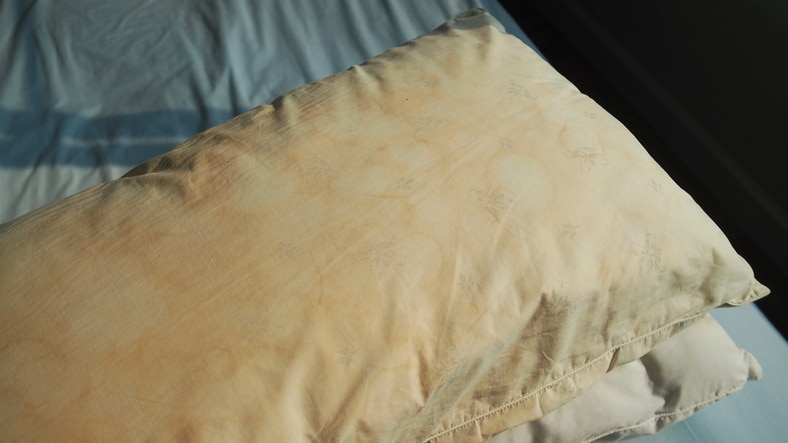
When you fall into your comfy, warm bed and rest your head onto your soft pillow each night are you risking your health? You may be surprised to know yes! According to a recent study from The University of Manchester, research found that both synthetic and down pillows were full of health-altering issues they described as “a miniature ecosystem inside your pillow.”
The research project consisted of testing 10 pillows that had been used for 18 months-20 years. The samples came back with each pillow having what was identified as 4-16 fungal species per sample. A few thousand spores of fungus were found per gram, with the synthetic pillows having the highest number of specimens.
“Your pillowcases could be considered dirtier than the toilet. The good news is these bacteria are very likely to be from you to begin with and, therefore, aren’t harmful,” Dr. Gareth Nye, a program lead for medical science, explained to Wales Online.
Cotton pillowcases have a unique and troublesome connection to your health. While cotton may me most common, here are some reasons you should ditch cotton pillowcases and use something else.
1. Damages your skin
Cotton fibers in your pillowcase can cause friction and tugging on your skin, leading to wrinkles, fine lines and other signs of aging. This can damage your skin, leaving it dry and dull.
2. Ruins your hair
Cotton fibers are rough and can cause friction and tugging on your hair, leading to tangles, breakage and split ends. This can damage your hair, leaving it dry and dull.
3. Absorbs moisture
Cotton is a natural material that absorbs moisture, oils, and bacteria from your skin and hair. This can lead to acne, infection, and other skin problems. It can also dry out your hair, leaving it brittle and prone to breakage.
Ongoing research has found dust mites, fungi, and the sweat that many of us produce during our sleep, add to the disgusting problem. The ecosystem needs moisture to survive and our sweat is providing it. Food consumption and developments of the dust mites increases significantly when moisture and humidity are present.
You also shed dead skin and dander constantly–In fact, you shed thousands of skin cells a minute. And if you’re spending one-third of your life with your head on a pillow, it means that’s where a good majority of that excess protein will end up. While this isn’t harmful or something you can avoid, it is what makes your pillow an ideal feeding ground for the dust mites you don’t want there. Once the lights go out, they climb onto the pillowcases to eat what you shed.
These microscopic pests commonly trigger allergies and asthma. They’re probably the most common type of insect-like bug (actually a type of arthropod) that you would find on an upholstered surface, such as a couch, pillow or bed.
It Can Cause: Acne
Dirty pillows can collect oils, dirt, and bacteria from the skin, which can then be transferred back to the skin while sleeping. This can clog pores, leading to the formation of acne. Your pillows can also harbor dust mites, which can trigger allergic reactions and inflammation, both of which can contribute to the development of acne.
Pillowcases that are not frequently laundered or protected by a pillow protector can build up bacteria, oils, and dead skin cells that can clog pores and cause acne. If you have oily skin or sweat a lot during the night, the accumulation of oils and sweat on the pillowcase can contribute to acne. The accumulation of oils on the pillowcase can also attract dirt and dust, making the problem worse.
Aspergillus fumigatus is a common fungus found in pillows that can have adverse health outcomes for people who are immunocompromised.
It Can Cause: Asthma
This can increase the chances of individuals inhaling waste or decomposing bodies, triggering allergies and asthma
Some bacteria on pillowcases are harmless, but on the other hand, some can be problematic, such as Pseudomonas aeruginosa and MRSA. Bacteria can grow on pillows, especially when exposed to moisture from sweat and saliva.
It Can Cause: Eczema
Bacteria can trigger eczema symptoms such as itching, redness, and inflammation. Dust mites thrive in warm and humid environments, and dirty pillows can provide an ideal breeding ground for them. Dirty pillows can also harbor bacteria and fungus, which can trigger eczema symptoms and promote eczema flare-ups.
1. If you don’t want to run out and replace your pillows right away, try throwing them in a hot dryer for 30 minutes each week. Many people just wait until “washing day” to do this, but it’s better to just do it once a week. This helps stifle the growth of mites and other harmful microorganisms.
2. Don’t sleep on your pillow with wet hair. The moisture will be a feeding frenzy for the fungus and mites.



By subscribing, you consent to receive emails from BlackDoctor.com. You may unsubscribe at any time. Privacy Policy & Terms of Service.