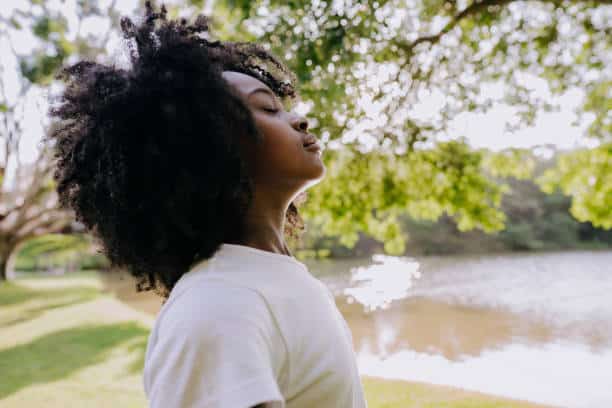
Breathing comes naturally to a lot of people, but many of us could be breathing more effectively. When breathing properly, you should feel relaxed and have steady, controlled breaths. Those of us with lung diseases like chronic obstructive pulmonary disease, or COPD, have difficulties with productive breathing. But factors like stress and anxiety, a change of weather, or even lack of exercise can affect anyone’s ability to breathe properly.
When we experience shortness of breath, anxiety can make it even harder to breathe. Take a few minutes out of your day and find a comfortable place to practice breathing. The more you practice, the easier it will be. These are a few exercises to guide you.
This is a good daily practice or for any time you feel tense.
RELATED: 3 Breathing Exercises You Can Do Anywhere
This technique helps during difficult parts of physical activity or at the onset of shortness of breath.
It helps to control the rhythm of your breathing.
Also called belly breathing, diaphragmatic breathing happens in the diaphragm, which is the main muscle used for breathing. The diaphragm is a large muscle that sits below the lungs and helps the lungs expand and contract.
With COPD, air can be trapped and pushed into the lungs, thus causing those with COPD to use more neck, chest, and back muscles to breathe.
This breathing technique offers several benefits to your body, including reducing your blood pressure, slowing your heart rate, and improving relaxation.
Coughing is your body’s way of trying to get rid of mucus. But constant, uncontrollable coughing actually does the opposite by closing your airways, which traps the mucus inside your lungs.
This technique is good for when you feel mucus buildup; it loosens the mucus and helps to carry it through the airways without leading them to collapse, which causes difficulty breathing.
RELATED: 14 Foods for Healthy Lungs and Improved Breathing
Yes. Science shows that intentional breathing can improve heart rate variability, lower blood pressure, reduce cortisol (stress hormone), and even strengthen immune response. Long-term practice may also help with anxiety, sleep disorders, and chronic pain.
Even just five to 10 minutes a day can make a noticeable difference. Some techniques should be done in a safe, seated or lying position and not while driving or in water.
Remember, stress is a natural part of life. Control what you can, keep calm, and breathe easy!


By subscribing, you consent to receive emails from BlackDoctor.com. You may unsubscribe at any time. Privacy Policy & Terms of Service.