You may know thyme as an aromatic herb with a distinctive flavor. It can add to the overall taste of a dish, but most people consider it to be optional. However, with its potential health benefits, you might start to think differently. Thyme is a great source of certain nutrients and has impressive antimicrobial as well as anti-inflammatory properties that can make a huge difference to your health.
According to a recent study on animals, thyme extract may significantly lower your heart rate if you have high blood pressure. The research suggests that the extract reduces low-density cholesterol and triglyceride levels in your body while raising the high-density cholesterol that’s good for you. As a result, the low-density lipoproteins (LDL) won’t build up in your heart to increase your risk of heart issues.
A teaspoon of thyme contains about one percent of the recommended daily intake (RDI) of iron. Though that doesn’t sound like much, the combination of iron and its other nutrients is thought to encourage the synthesis of much-needed red blood cells. With healthy red blood cells, you may have increased blood circulation and oxygenation to your vital organs.
Thyme may help your digestive system in multiple ways. It contains volatile oils that can relieve stomach cramps while also reducing the production of excessive gas and flatulence. It may also help to ease stomach pain. Researchers suggest that these effects may be why people often recommend thyme tea for people who are dealing with stomach issues such as indigestion, gas, and bloating.
Thyme has antibacterial and anti-inflammatory properties that can be helpful when you’re having respiratory problems. It can remove phlegm and mucus from your respiratory passages while also soothing your throat so you don’t cough as often. It can reduce inflammation, so you can breathe more easily and fight the growth of bacteria that can make an illness worse. Drinking thyme tea when you’re sick can also help to alleviate congestion, persistent asthma symptoms, and blocked sinuses.
As mentioned previously, a teaspoon of thyme contains one percent of your RDI for iron. Iron is essential to the production and maintenance of healthy red blood cells, so when you don’t have enough, this can lead to anemia. If you include thyme in multiple meals, it’s easy to add to your iron intake. This can be helpful for people who are dealing with anemia.
Thanks to its antispasmodic properties, thyme may help to reduce your menstrual cramps. It can also help with the discomfort that may accompany menstruation, as well as other issues such as bloating.
Dried thyme contains small quantities of Vitamin K, calcium, iron, and manganese. These nutrients are essential to the formation of bone and usually lower your risk of developing bone disorders.
Thyme contains antioxidants like lutein, zeaxanthin, and thymonin, which can protect the heart from harmful free radicals that can cause cell mutations. Additionally, the herb contains potassium and manganese, which can be highly beneficial to your cardiovascular system. Potassium helps to relax your blood vessels while also reducing the effects of sodium. Manganese acts as an antioxidant, so it protects your heart from oxidative stress.
Thyme contains Vitamin C, which is known to boost your immune system. This is partly because Vitamin C promotes the development of white blood cells, and these are vital to the immune system’s job of fighting infection. This vitamin also supports collagen development, which in turn helps with cell repair, muscle development, tissue repair, and the maintenance of healthy blood vessels.
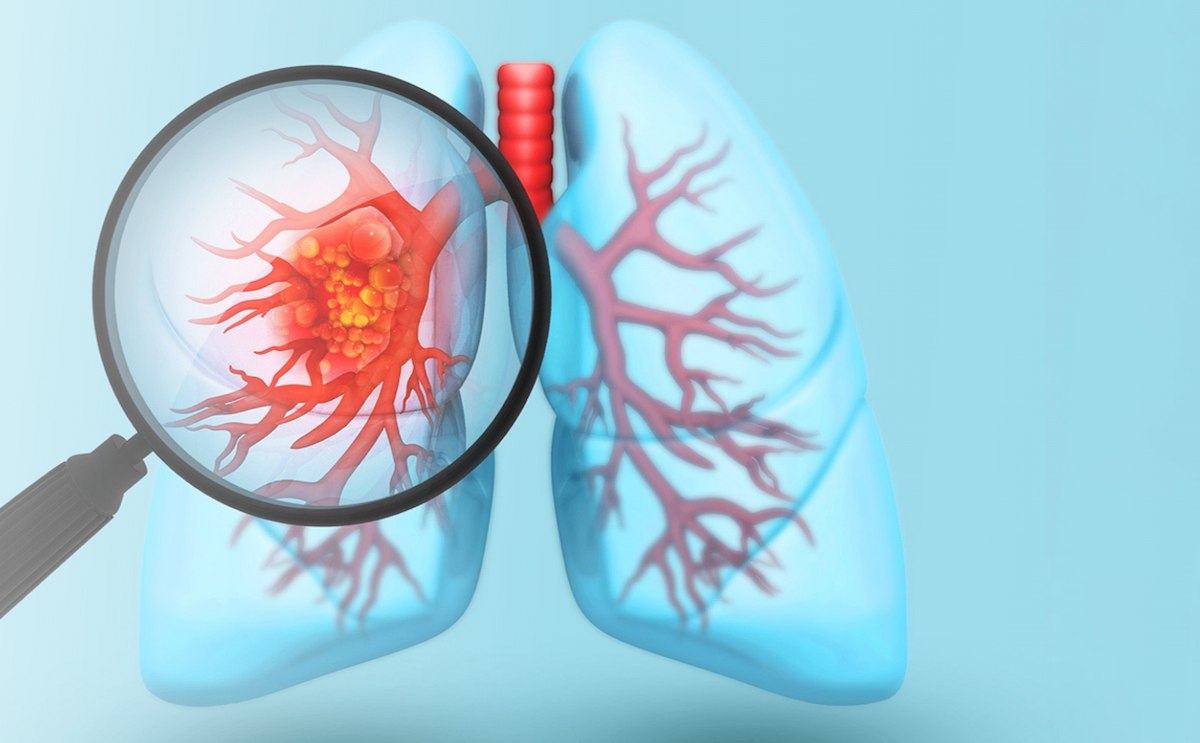
Although more research is needed, studies show that one of the essential oils in thyme may have significant anti-cancer properties. Carvacrol may be able to prevent the growth of tumorous cells in specific types of illness, such as liver and colon cancer.
RELATED: The Amazing Benefits of Thyme Tea
While thyme is generally safe to eat, it’s important to note that a few people can experience an allergic reaction to it. This is especially likely if you’re allergic to similar plants like basil, sage, oregano, or lavender. Signs of an allergic reaction include skin sensitivity after touching the leaves as well as nausea, vomiting, diarrhea, and heartburn after consuming the herb. If you’re not worried about allergies, then here are some tasty recipes to try out!

Servings: 8
Ingredients
Method:

Servings: 6
Ingredients
Method:

Servings: 2
Ingredients
Method:

Servings: 6
Ingredients
Method:

Servings: 9 ½ pint containers
Ingredients
Method:
If you haven’t been using thyme in your meals, you may be missing out on some wonderful health benefits. Fortunately, you can easily incorporate thyme into your diet with a few good recipes.


By subscribing, you consent to receive emails from BlackDoctor.com. You may unsubscribe at any time. Privacy Policy & Terms of Service.