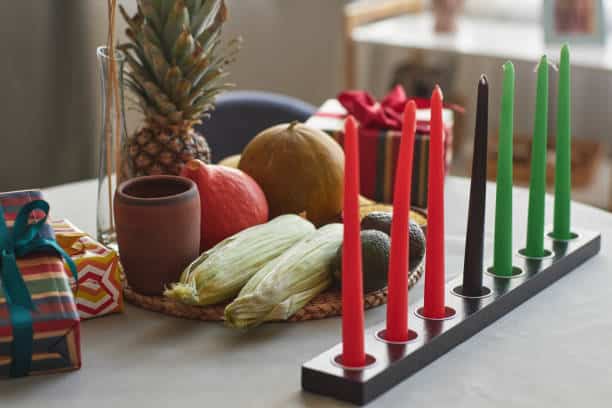
Kwanzaa: what do you know? According to History, Kwanzaa became a festival in the 1960s to strengthen and unite Black communities following the Watts riots. The holiday’s name comes from the Swahili word “matunda ya kwanza”. The second “a” was added following the inaugural Kwanzaa celebration in 1966 when each kid received a letter in the name.
Kwanzaa is a celebration based on seven principles: umoja (unity), kujichagulia (self-determination), ujima (collective effort and responsibility), ujamaa (cooperative economy), nia (purpose), kuumba (creativity), and imani (faith). Although Kwanzaa follows Christmas by seven days, many people combine the two. After Kwanzaa, people exchange handcrafted or culturally themed presents.
Kwanzaa, like other festivals, is rich in food. The biggest supper comes on night six. Kwanzaa begins Dec. 26 and ends Jan. 1. The sixth night, New Year’s Eve, starts with the lighting of the black candle to signify kuumba. Kuumba signifies creation, which the sixth night of Kwanzaa is.
Many Karamu meals are important to present and historical to Black culture. According to Oldways Nutrition Exchange (ONE), many Kwanzaa foods are products of the African Diaspora, the widespread forced transfer of Africans from the African continent during the Transatlantic Slave Trade between the 1500s and 1800s. The passage of Africans to the Caribbean and Americas hybridized cuisines, many of which are offered on Karamu (via ONE).
Afro-Caribbean cuisines, for example, combine French, Spanish, and African cuisine. It’s typical to see salt fish, guava, red beans, and pigeon peas on the table, all of which are Caribbean-inspired. Southern soul cuisine is inspired by French cooking with Southern foods, including okra, collards, tomatoes, and seafood like oysters, crabs, and shrimp.
RELATED: Kwanzaa: What It Really Is And How & Why It’s Celebrated

It can be served as a pan-fried dish or in a shrimp gumbo flavored with Creole seasoning and various kinds of peppers.
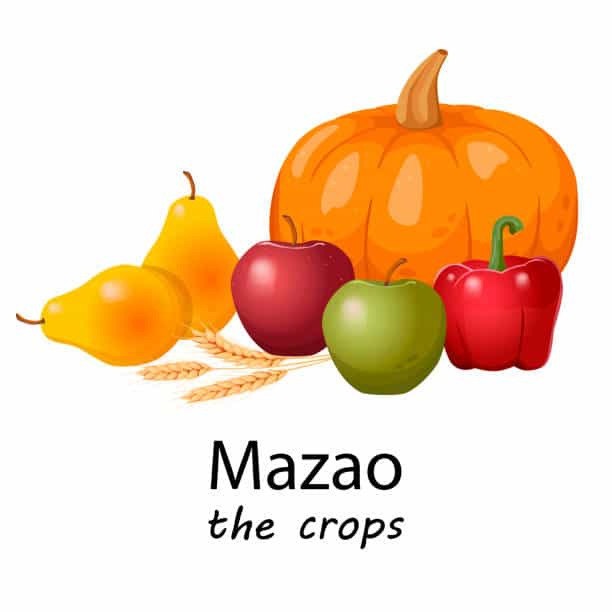
The mazao (crops – usually bananas, plantains, mango, and peaches) symbolizes the African harvest and rewards of collaborative and productive labor, while the muhindi (corn) is emblematic of the cultural significance of children and the future.
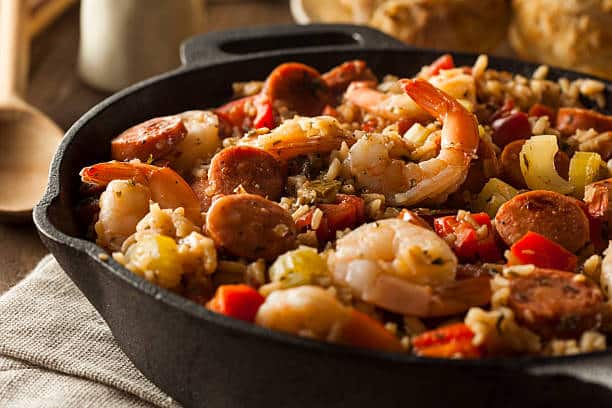
A rice dish cooked with saffron, chicken, and regional seafood staples like mussels and shrimp. Jambalaya also receives a meaty kick from the inclusion of andouille sausage and the crunch from cooked pepper and onions.
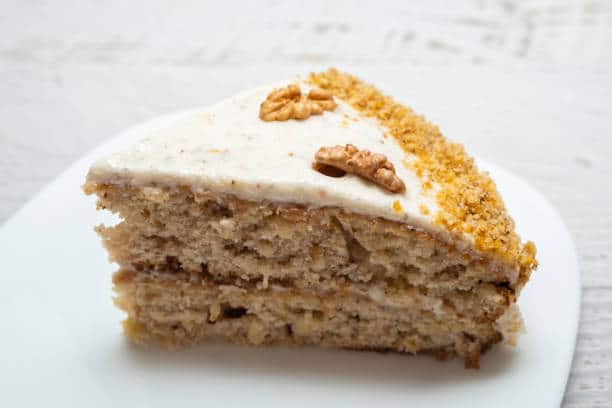
This cake is similar to the texture of a carrot cake but includes pineapple and bananas instead of carrots for moisture and texture, and it comes with a hint of nuttiness from the inclusion of chopped pecans.
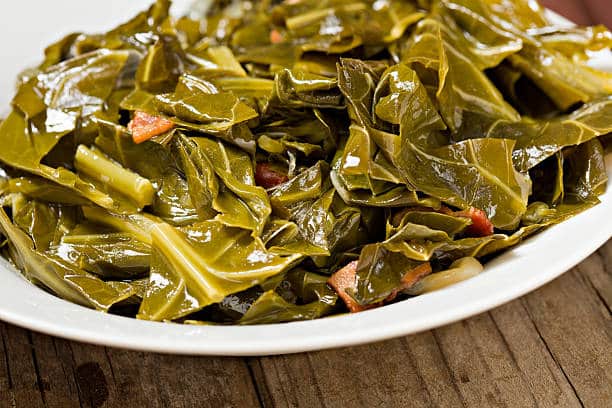
Stewed collard greens are symbolic of good fortune.
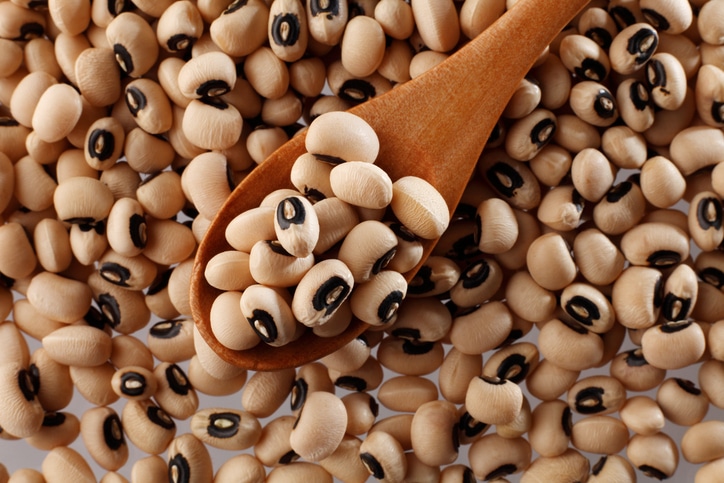
Black-eyed peas are symbolic of good luck.
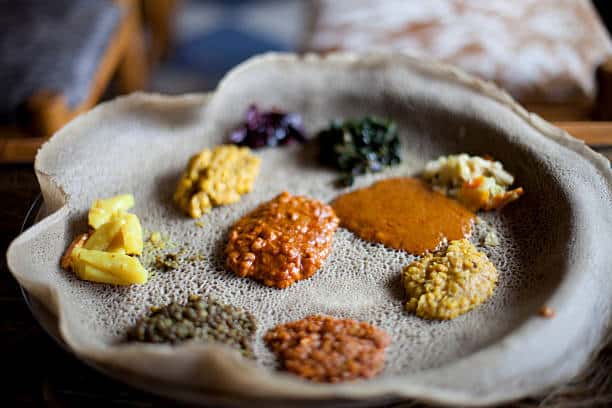
An Ethiopian flatbread made from teff flour. It’s porous, flexible, and perfect for pairing with soups and thick stews.
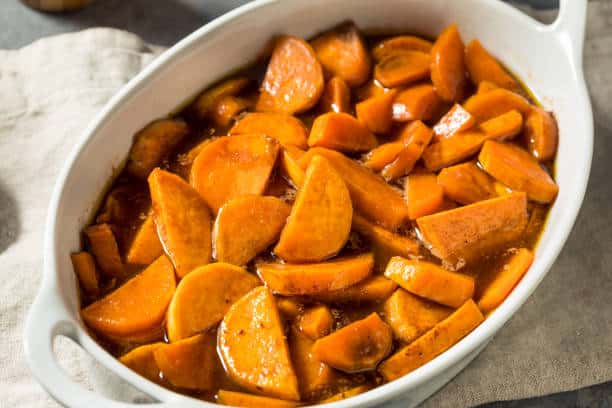
Sliced yams are covered in a sweet, unctuous mixture of butter, molasses, and brown sugar before being baked until tender.
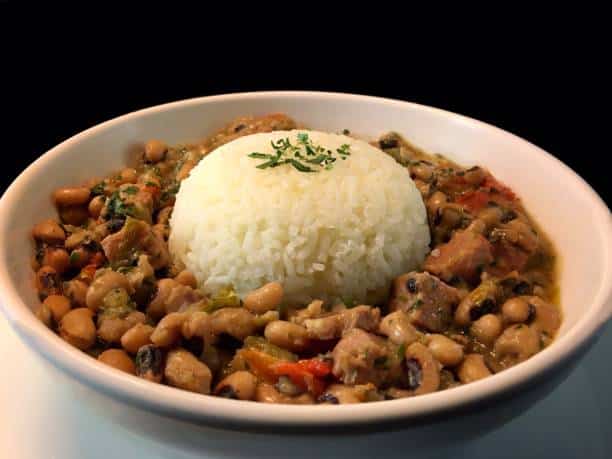
The dish is made with bacon, pigeon peas, and rice.
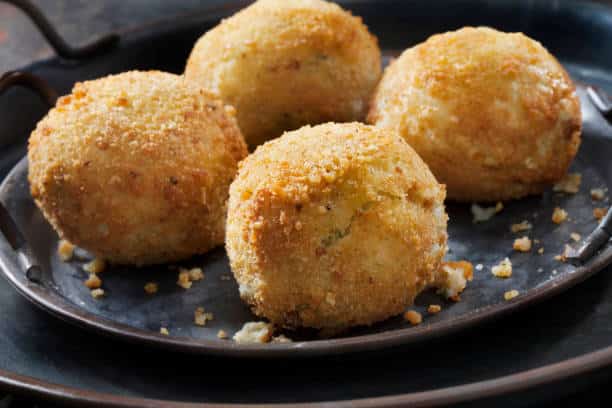
They are made from a basic batter consisting of yellow cornmeal, flour, sugar, baking powder, baking soda, buttermilk, milk, and eggs.


By subscribing, you consent to receive emails from BlackDoctor.com. You may unsubscribe at any time. Privacy Policy & Terms of Service.