Temperatures have been absolutely freezing, especially along the eastern seaboard of the United States. And if you’ve been bundled up outside or huddled warm indoors, you’ve probably noticed something…
Your mood? It may not be like it should.
Turns out the so-called winter blues are more than just a classic seasonal feeling. In fact, when the days feel endlessly gray, and you’re tired, and your mood is low, it’s more than just in your head. It’s a very real chemical reaction to a bodily deficiency.
Vitamin D deficiency is no joke. And it’s more common than you might think. Every winter, millions deal with dipping vitamin D levels, and they can sneak up quietly, even feeding into things like seasonal affective disorder (SAD).
Tired of all this? The good news is there is no magic required, just some small, doable changes that can help you feel lighter and happier when the days are frigid and dreary.
Let’s break down what you can do today to get yourself back on track…
Believe it or not, recent global data suggest that around 15-20% of people have pretty low levels. We’re talking like under 30 nmol/L, and even though many people aren’t super low, they do hover in the insufficient zone.
These aren’t minor issues. Although yes, rates naturally climb higher in winter and spring, when they’re low, it’s problematic. Low D messes with mood chemicals like serotonin, weakens bones by blocking proper calcium use, and particularly dials down your immune defenses. All of these are reasons your inflammation increases and sicknesses abound during winter.
As a result, millions of people feel run-down, and even stiff and hampered with joint pain.
The science behind it is interesting. Think about how it works. UV light triggers your skin to convert a compound in your body into vitamin D. However, if there’s less light, that equals less conversion. Clothing blocks it anyway when you’re out, and if you’re mostly inside looking at screens, you’re missing the window to get sunlight. When this occurs, the lower levels of vitamin D can cut serotonin (that feel-good brain chemical), tying right into seasonal affective disorder (SAD).
In other words, you have a messed-up body clock and less light. It’s a loop. You don’t feel good, you stay indoors more, and your levels drop more. Not to mention the effects on your bones. Over time, without enough vitamin D, your bones can get brittle, increasing fracture risks.
People low in vitamin D are also at statistically higher risks of catching the flu, having colds, and struggling with chronic disease.
Fortunately, there are many simple things you can do…
Spotting vitamin D deficiency early helps a ton. And while irritability, sadness, or anxiety fit the winter blues bill, you should also look for extra symptoms. Achy muscles or weakness—like your legs feeling heavy when climbing stairs, or you get random cramps—are often the result of low vitamin D.
Also, be sure to look for hair thinning or falling out more than usual. Cuts or scrapes that heal super slowly are another sign, because vitamin D helps repair tissue. Bone or back pain, as well, and last but not least, endless tiredness that no amount of sleep fixes.
If these hit harder in the winter, don’t brush them off.
The first thing you can do is talk to your doctor about a blood test. Blood tests check 25-hydroxyvitamin D levels. If you have under 20 ng/mL (50 nmol/L), you are most likely deficient. For optimal levels, you should strive for 30+ ng/mL, and even 40-60 for the best effects.
High-risk individuals, such as older adults and people with darker skin, or people who work night shifts, should definitely check their levels regularly. If you know your exact numbers, you can go from feeling “I feel off” to “I know why and what to do now.”
And the best news? The fix doesn’t have to be fancy or pricey. All you have to do is load up on natural sources. Fatty fish is king, especially a nice piece of salmon (about 3-4 ounces), which can give you 400-600 international units (IUs) of vitamin D.
Mackerel, sardines, or trout are great sources as well.
But it doesn’t stop with just fish. Fortified foods like milk, OJ, yogurt, and cereals can all add easy IUs without changing much. Mushrooms are also very good, especially those left in sunlight or UV-treated. Just a half-cup can deliver hundreds of IUs. Egg yolks and even beef liver chips deliver smaller amounts. Toss these in a few times a week, and you’re looking at practical, steady gains.
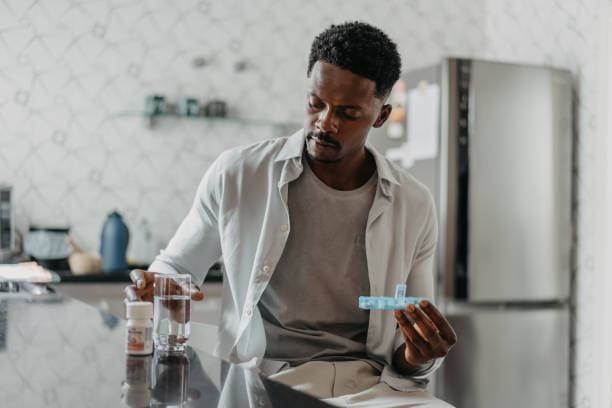
However, when food isn’t enough, which is super common in winter, supplements can certainly help. Most adults need 600-800 IUs daily just to maintain, but if you’re low, doctors often suggest 1,000-4,000 IUs of D3, which is the better-absorbed kind.
Fortunately, you can buy cheap bottles for under $10 for months. Start moderate, and make sure to retest in a couple of months. After all, if you take too much, like over 125 ng/mL, this can actually cause nausea and other issues. If you have kidney issues or take certain medications, always consult your doctor first.
And finally, don’t forget lifestyle!
Even during the winter, grab midday sun when possible, if only for 10-30 minutes, and try to expose your face and arms. This could be a brisk walk, shoveling snow, or a winter hike for both sunlight and increased mood.
And if you have seasonal affective disorder (SAD), a light therapy lamp can do wonders. You should aim for 10,000 lux and 20-30 minutes every morning. This mimics the sun and helps reset your internal clock. Generally speaking, decent ones start around $20-30, but you can also just choose to sit near windows or reduce your evening blue light from screens.
All of these strategies can go a long way in lifting your mood, decreasing negative symptoms, and feeling better overall.
Here’s the bottom line: This winter doesn’t have to feel endless and gray. If you find yourself dragging, low vitamin D could be to blame. With a simple test, some common-sense solutions, and a willingness to make changes, you’ll be well on your way to a healthier, happier winter.
No more winter blues – just winter fun and sun!

By subscribing, you consent to receive emails from BlackDoctor.com. You may unsubscribe at any time. Privacy Policy & Terms of Service.