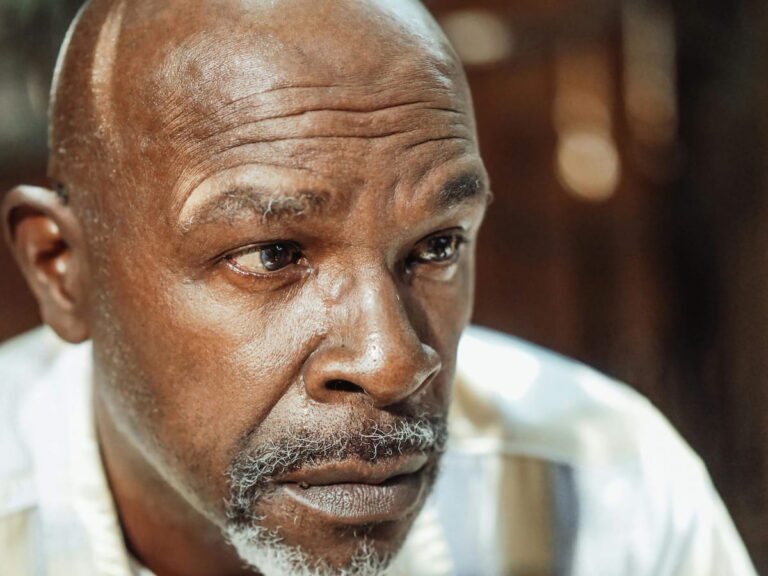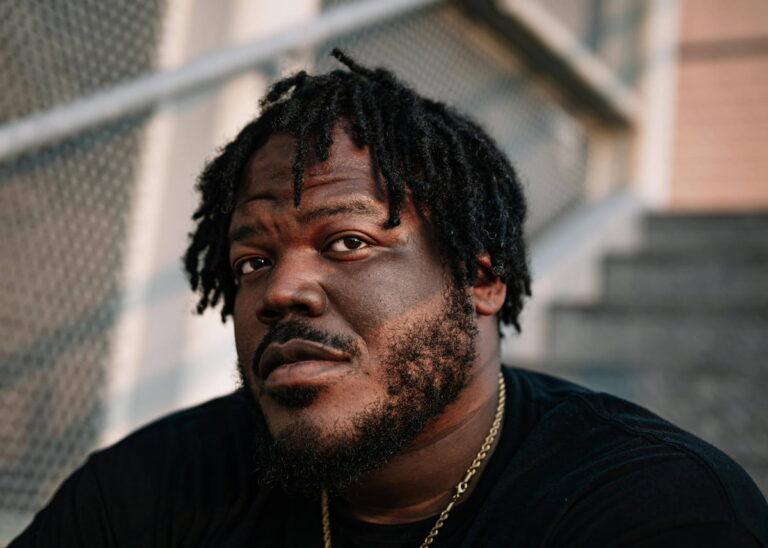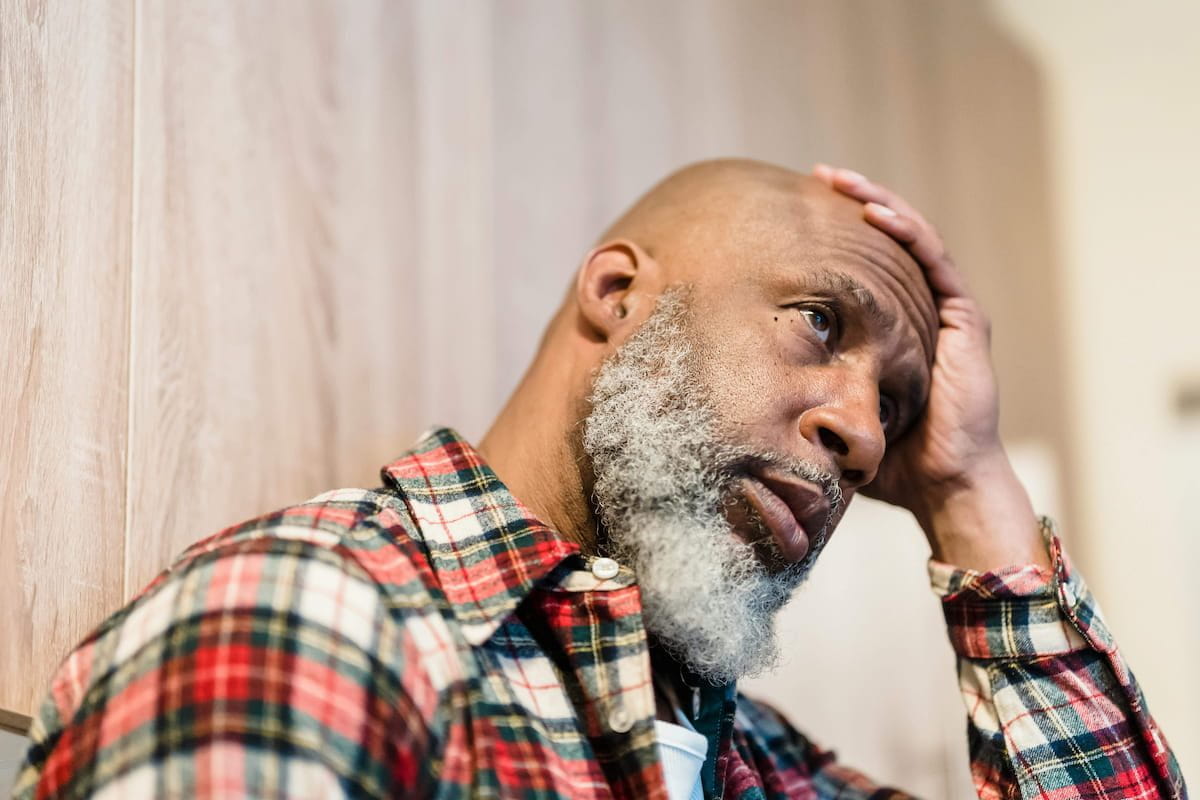
Some seniors deal with more health issues as they age. They dutifully make the health appointments and go to the doctor, but for many, they are afraid of what the doctor might find and say regarding their health. This is especially true when it comes to serious conditions like senior heart health or other chronic conditions. Seniors often avoid discussing heart health or other serious health problems due to fear of bad news, loss of independence, or trauma from past medical experiences. This silence regarding symptoms or pain is a symptom itself—a key aspect of the larger issue behind diagnoses like this.
How can we empower our seniors to take charge of their health visits? How can we help seniors in our communities be more intentional about engaging in dialogue with doctors about their overall health concerns? How can we encourage seniors to speak up about symptoms?
The numbers don’t lie. An informed understanding can encourage compassion for seniors’ hesitation. The research shows there is a fear of diagnosis:
These are some of the main reasons seniors aren’t talking to their doctors.
RELATED: This Daily Habit May Help Slow Aging
Effective communication is key and can make the difference between a satisfactory healthcare visit with one’s provider and a comprehensive one. Many seniors live with chronic conditions, such as challenges with mobility and balance, cognitive decline, mental health issues, or sensory impairments. Unfortunately, the necessary doctor’s visit itself can become a source of fear for them.
More preparation and more information can help with a visit to a provider. Before your appointment, you should compile a list of all health concerns so you don’t forget anything. Also, review all your current medications, which should include vitamins and any herbal supplements you are taking.
Though knowledge is powerful, it can also heighten anxiety. This might cause some seniors to feel too embarrassed or afraid to seek help. However, they do not need to suffer in silence by avoiding a necessary doctor’s visit out of fear.
RELATED: Is Stress Worse for Older Adults? Here’s What You Need to Know
When a senior visits their healthcare provider, having a healthcare advocate can be beneficial. However, avoid taking control of the senior’s decision-making regarding their care. A trusted friend or loved one can also be beneficial.
A “healthcare advocate” takes on the responsibility of managing the appointment, allowing the senior to focus on their health and daily life changes (such as pain, mobility, independence vs. isolation, and mental health concerns). The advocate’s key roles include note-taking, asking questions, staying organized, ensuring follow-up, overcoming communication barriers (like hearing or vision loss), and maintaining a focus on the senior’s independence.
When seniors trust their healthcare provider, it can effectively minimize “White Coat” hypertension, help them move past negative past experiences, and bridge communication gaps related to understanding complex medical terminology.
A younger person may struggle to grasp why a senior feels nervous, embarrassed, or afraid of seeing a doctor or is hesitant to discuss symptoms or pain.
Seniors might have this fear for one or some of the following reasons:
RELATED: Don’t Let Getting Older Slow You Down! Try These…
Many seniors avoid discussing certain health issues with their doctors. This hesitation often stems from the fear that new or worsening medical conditions associated with aging may signal a proximity to the end of life. Seniors may see signs of their end, whereas trusted advocates see lifesavers to prolong a senior’s health and improve the quality of the life the senior has left. Many seniors fear losing friends, siblings, cousins, spouses, and neighbors and may start to wonder if they are next as their health challenges increase.
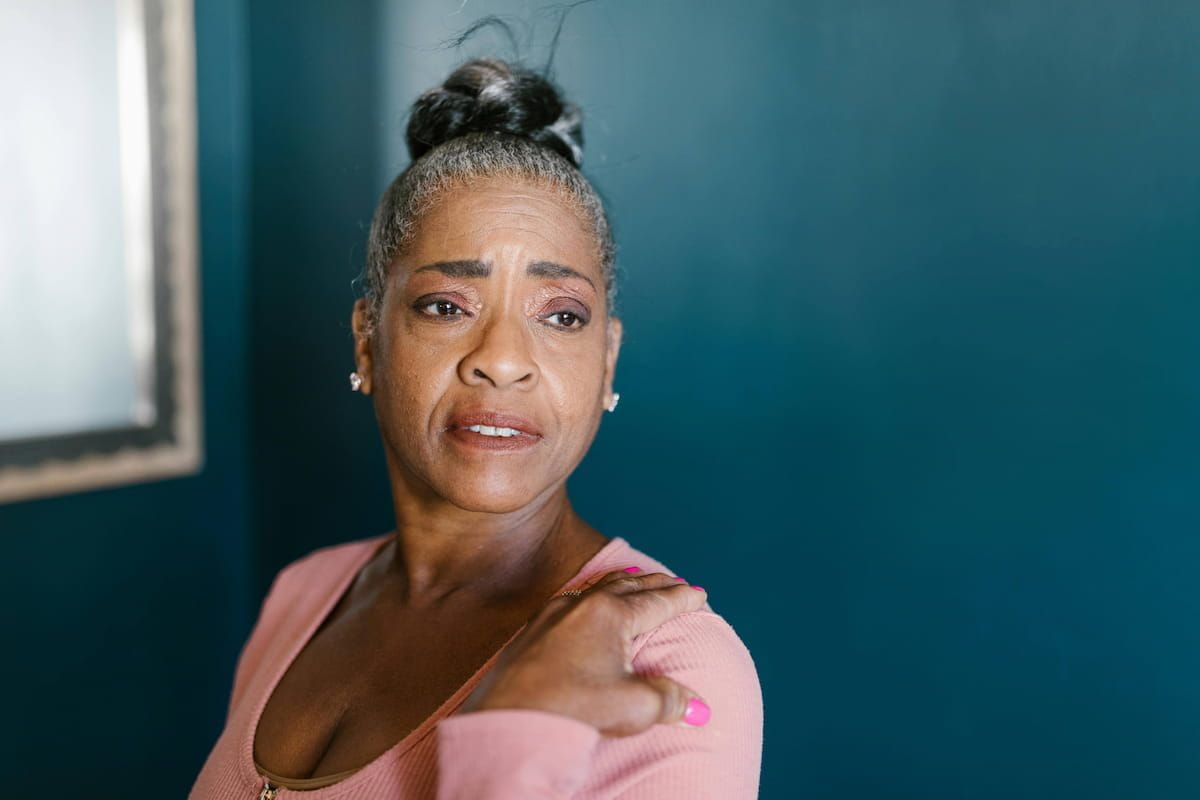
Fear of losing independence can cause seniors to withhold information from their healthcare providers about symptoms. Seniors may avoid discussing issues that could lead to dependence or perceived decline, such as having to stop driving, move out of their home, or change their diet.
Silence for seniors at medical appointments may allow them to ignore the inevitable with more time to be free. Aging’s inescapable changes can modify or permanently change the things that made them who they were.
Seniors often face a difficult progression as they look ahead, potentially moving from independence to disability. This change can mean a rapid loss of control over their life choices and a reduced voice in decisions. They may feel embarrassed about having to ask for help or seek permission from new caregivers, such as their adult children. Furthermore, as their need for support increases, they may struggle to find and afford the necessary assistance.
Another diagnosis could mean increased costs. More prescriptions, lower functionality, loss of physical or mental abilities, more doctor visits, tests, or procedures, and concern about financing it all as seniors continue to get worse over time.
If another permanent lifestyle change is required, seniors are likely to need help with making the change. Seniors may need a caregiver to come check on them, cook, do laundry, bathe them, and provide companionship, which would mean getting used to a new role of service and a new person providing it. It might also mean a move from their home to a different residence, such as living with children or in a long-term care facility with a continuum of care.
For many, cognitive decline—ranging from simple forgetfulness to dementia or Alzheimer’s—is the unspoken “elephant in the room.” For those navigating their golden years alone, every doctor’s visit seems to mean another health concern for them to get used to.
Many seniors aren’t talking to their doctors about age-related changes, and this lack of dialogue could jeopardize treatment and limit help. It may be necessary to find a doctor who specializes in senior care or shop around to find one who is patient, communicative, of the same gender and/or race, and has significant expertise in geriatric care.
This may require a good deal of shopping around until you find the right fit. A strong doctor-patient relationship, built on trust, is essential for seniors to receive optimal care. This foundation ensures they feel comfortable communicating openly, allowing for the early detection of changes and the complete, kind resolution of any questions or concerns. It is vital that seniors feel welcomed to speak up, heard, and fully understood.
When seniors are not afraid of what the provider might find, see, or do, or what impact it could have on their daily life and independence, there is less avoidance of appointments. With a trusted health advocate, seniors might be more willing to at least try specialized senior healthcare. Overcoming communication barriers can also enable opening up to preventative care.
Tailored care with a comprehensive approach that treats the whole person holistically involves going beyond just the physical to the social, emotional, and mental impacts on seniors’ health.
A positive difference can be made in a senior’s care and treatment through a team approach among healthcare providers. This collaborative effort is better equipped to address the special and varied needs that accompany the aging process.
A multidisciplinary, team-based approach is essential for preserving the wellness of seniors. This collaborative method minimizes errors and acknowledges that physical ailments are intricately connected to social, emotional, and mental health challenges, as well as medical anxiety—none of which exist in isolation.
Trying to act as a “one-stop shop” to reduce a senior patient’s copay risks, doing harm and worsening their condition. Instead, the team model ensures that when a senior needs specialized care, a referral is promptly made, rather than having a single provider attempt to manage complex needs beyond their scope.
Doctor’s visits should educate and empower, not create fear that leads to appointment avoidance. Communication with practitioners and healthcare advocacy can help preserve the health and independence of a senior loved one.

By subscribing, you consent to receive emails from BlackDoctor.com. You may unsubscribe at any time. Privacy Policy & Terms of Service.