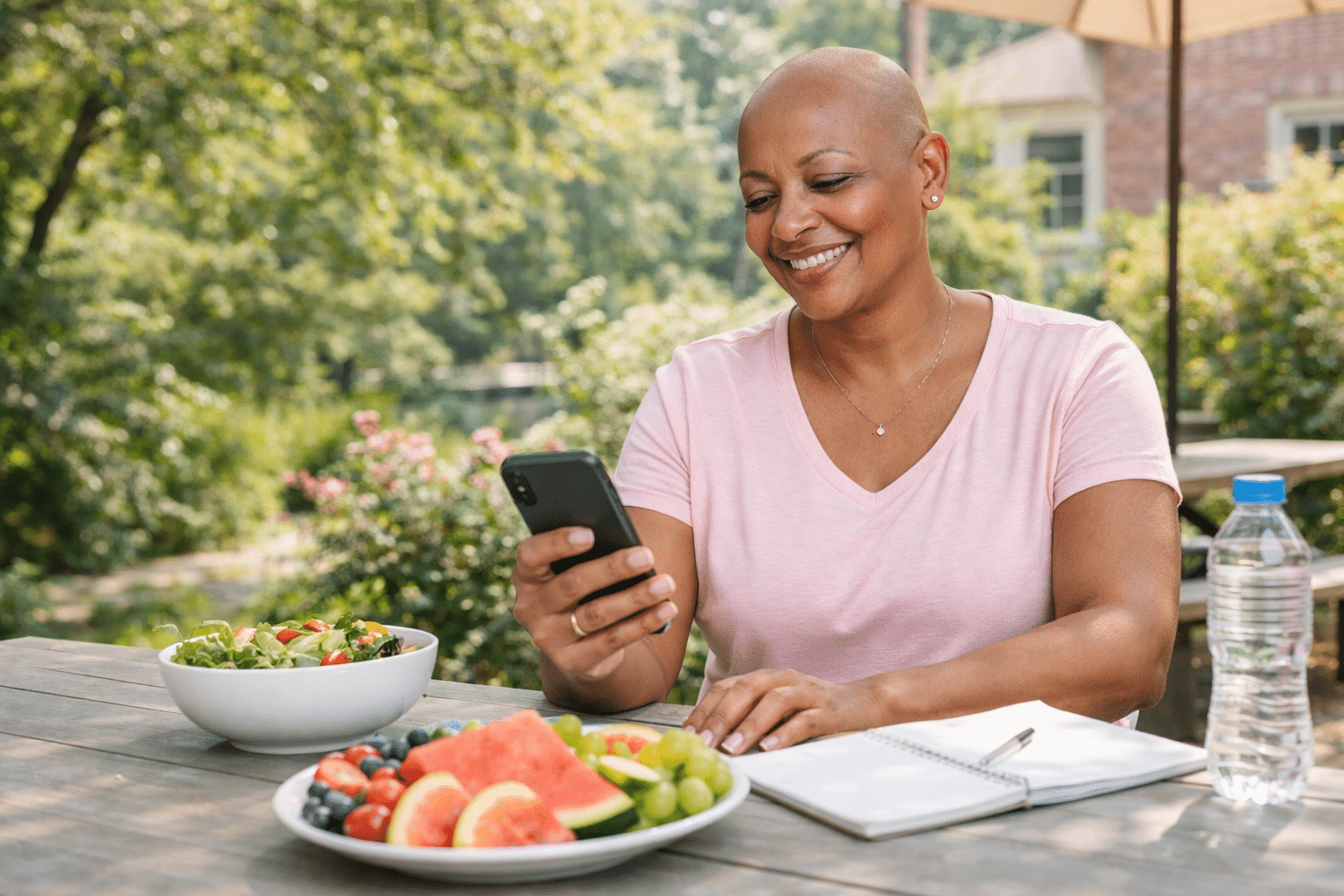
The “Big C.”
We’ve all heard of it, and for most of us, it’s the last thing we wish to hear. Whether it’s late-stage, the early, symptomless beginnings, or anywhere in between, cancer represents the kind of issue that in one word can steal the breath from our lungs…
But here’s the truth. It’s 2026, and while receiving a cancer diagnosis changes everything, new advancements in treatment are allowing more people than ever to not just survive – but thrive.
According to the American Cancer Society’s 2026 report, the five-year relative survival rate for all cancers combined has reached a milestone of 70 percent, up from 49 percent in the mid-1970s. That is an absolutely massive improvement. In fact, as of 2025, there were about 18 and a half million cancer survivors in the U.S., a number that could surpass 22 million by 2035.
Sounds good, doesn’t it? Of course, these encouraging statistics still have their issues. Many survivors continue to face significant challenges like fatigue, pain, and emotional ups and downs every single day. And they don’t simply fade away.
If you or someone you know and love is dealing with this, you already know. Fortunately, the survivor community is vast and resilient. Here are five ways to support your well-being, tailored for the realities of survivorship that many of you know all too well…
It’s important to be truthful and upfront. The truth is, the physical toll of cancer treatment can persist long after therapy ends, and it can be more than just a disturbance in daily living. Many people dealing long-term with cancer are more than familiar with these medical difficulties.
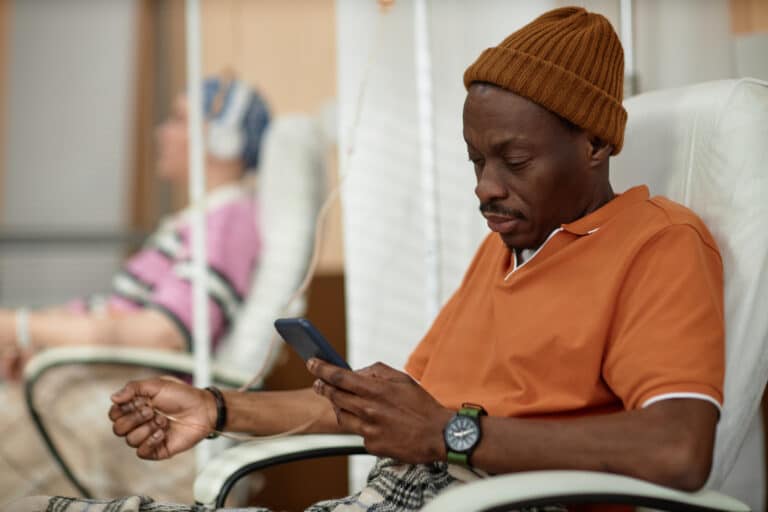
Take, for instance, chronic fatigue, which affects many survivors for months or even years, leading to nerve pain (neuropathy) from chemotherapy like cisplatin, and even reduced lung capacity or heart problems.
Don’t let anybody gaslight you. These issues aren’t just “in your head”—they’re a direct product of how treatments like chemo can disrupt normal cells alongside cancer cells. If you’re dealing with this, it’s important to start by tracking symptoms in a simple journal. When you do this, you can share with your doctor, leading to tailored interventions like physical therapy for neuropathy or energy-conserving strategies in general.
But even if you don’t have specific approaches, a general safe approach is to pace. Gentle pacing helps. For starters, break tasks into short bursts, and prioritize rest without guilt. It’s also vital that you incorporate light movement wherever possible. Scientific evidence shows that even modest activity can decrease fatigue and improve strength. Just listen to your body – overdoing it can worsen exhaustion, which is not what you want!
RELATED: 7 in 10 People Now Survive Cancer, New Report Finds
It sounds straightforward, but nurturing emotional well-being is one of the easiest and most natural things we can do. We all know that cancer’s emotional whiplash—chronic anxiety, fear of recurrence, or mood swings—can feel isolating. However, we also know that many helpful, instructive tools exist.
Consider the various repercussions of cancer treatment. Many survivors experience the common “chemo brain” (cognitive fog) or depression, which is usually linked to treatment-induced inflammation or stress.
The good news is, there are various ways to address this. The first and best way is to use mindfulness practices, as they all offer a gentle anchor. And if you’re a big techie, you can enjoy mindfulness as well! Apps like Calm or Headspace provide guided sessions, scientifically backed to reduce anxiety, depression, and improve quality of life in cancer survivors.
It doesn’t have to be arduous. Start with 5-10 minutes daily, and focus on breath or body scans to ground racing thoughts. If you’d like to take it further, connect with support groups, either in-person or online. And if anxiety persists, therapy like cognitive behavioral approaches can help reframe worries. However you choose to address these challenges, be kind to yourself! Healing emotionally is as vital as physical recovery.
As treatments evolve, so do potential late effects.
Sure, we’re happy that such treatments actually exist, but we also need to ensure that we are taking these new medications seriously with the respect they deserve. After all, we’re talking about powerful drugs here, and while they can offer numerous benefits, we should never take them for granted.
Consider targeted therapies, which, while precise, can cause heart or vascular problems, blood clots, or thyroid issues – not to mention chemo’s risks like osteoporosis or infertility. This is why regular check-ups are crucial. You should always follow your oncologist’s screening plan for secondary cancers or organ function tests.
Have you had chest radiation or certain immunotherapies that impact your cardiovascular system? In this case, it’s crucial that you monitor for lung damage with pulmonary tests. Lifestyle tweaks support this as well. You can, for instance, maintain a heart-healthy diet low in processed foods, stay hydrated, and avoid smoking to mitigate risks.
You may even discuss preventative medications with your doctor, such as bone-strengthening agents for osteoporosis risk. Remember: empowerment comes from knowledge—ask questions at appointments, and you’ll feel more in control of your long-term health for sure!
One of the main things we can do is complement the care we receive.
Whether it’s cancer, diabetes, high blood pressure, or autoimmune conditions, always take a full-spectrum approach. This means that not only are you taking the medications as prescribed, but that you’re actively bettering your life, day in and day out.
And it’s not as hard as people think. By complementing medical care, natural supports can ease symptoms without added strain. What kind of ‘natural supports’ are we talking about? Well, to begin, a great one is the class of substances called adaptogens. For instance, ashwagandha is an adaptogen because it shows promise across applications. In fact, in studies with breast cancer patients, it reduced chemo-induced fatigue and boosted quality of life markedly. It also has a good safety profile, relatively harmless when used under guidance (typically 300-600 mg daily).
But aside from supplements like ashwagandha, activities like gentle yoga or daily walks can also do wonders. Meta-analyses confirm they improve physical function, reduce stress, enhance sleep, and even elevate mood in survivors, with low risk. Just ensure you start easy. Begin with 10-20 minutes of restorative poses or a calming neighborhood stroll. After all, you can always adapt for energy levels.
First and foremost, always check with your doctor, as some herbs can interact with your meds. For the most part, however, these low-pressure options bring subtle but sustaining relief.
At the end of the day, success is about consistency.
We can’t expect to be feeling our best and doing our best all the time, but if we show up and put in the work, we can ‘stack’ those gains. It doesn’t matter if we’re talking about working out to get muscular or engaging in small daily tasks to feel better with cancer; the key element is the same: consistency.
Never forget: rebuilding normalcy happens through small, achievable routines. It’s all about honoring your needs. For one, optimize your sleep. Create a cool, dark environment, aim for consistent bedtimes, and limit screens. Overall, cancer survivors report better energy with these tweaks.
And make sure you communicate openly! How are you feeling? Share how you’re feeling with friends and family to foster understanding and reduce isolation. It’s okay if you don’t have much to say; it doesn’t have to be complicated or over the top. Simple check-ins can strengthen bonds. Also, consider batch-cooking nutritious meals. From veggie-packed soups frozen in portions to other delicious meal ideas, it’s all there if you plan ahead. In addition, you can add micro-moments like deep breathing during waits or gratitude lists at day’s end. All in all, these habits accumulate, helping you weave health into everyday life without overwhelming.
By adopting these simple but powerful practices day in and day out, your cancer journey will be that much easier. And what could be better than that?


By subscribing, you consent to receive emails from BlackDoctor.com. You may unsubscribe at any time. Privacy Policy & Terms of Service.
Enter your name and email to receive the download link.