
For anyone living with diabetes, A1C testing is a key part of managing health. This simple blood test shows average blood sugar levels over the past two to three months and helps track how well diabetes is being controlled. But despite its importance, many people don’t test their A1C as often as recommended, often because the process is inconvenient, expensive, or simply not accessible.
Orange Biomed is working to solve that problem with a new handheld device that makes A1C testing easy, fast, and lab-accurate—right from home.
Most A1C tests are made for clinical labs. They require exact blood volumes, specialized machines, and sometimes even refrigeration. Even the point-of-care (PoC) versions used in clinics can be tricky to maintain and use properly. This means they’re not ideal for home use, especially for people who aren’t trained in medical testing.
There’s also an accuracy issue. Traditional A1C tests can have trouble telling the difference between common hemoglobin types (like HbA1c and HbS or HbF), especially in people of African, Hispanic, or Southeast Asian descent. This can lead to incorrect readings and potentially misinformed care decisions.
TIP: If a lab A1C result has ever seemed off compared to daily glucose readings, a hemoglobin variant may be affecting the result.
Orange Biomed takes a completely different approach to measuring A1C. Instead of analyzing the chemical structure of hemoglobin, the device measures how red blood cells behave.
Here’s the science behind it:
When blood sugar is high over time, glucose sticks to red blood cells, making them stiffer. Normally, red blood cells are soft and flexible, allowing them to pass through tiny blood vessels. But when they become stiff due to excess glucose, they struggle to move through those vessels, which can lead to complications over time.
The Orange Biomed device uses a microfluidic chip—a kind of lab-on-a-chip—with tiny channels that mimic human capillaries. A single drop of blood flows through these channels, and sensors measure how easily the cells move. The stiffer the cells, the higher the A1C.
This method offers a mechanical reading of blood cell behavior—no complex reagents, no need for lab equipment, and no calibration. The test takes only about five minutes and delivers results with clinical-grade accuracy.

RELATED: The Top 10 Reasons Your A1C Isn’t Lower
Orange Biomed has conducted clinical studies globally, comparing their device’s performance against gold-standard laboratory reference methods, including NGSP-certified systems based on HPLC. They are conducting these studies in alignment with FDA expectations and are actively preparing their 501(k) submission.
What makes this even more promising is that the device performs reliably across different populations, including those more likely to have hemoglobin variants that can interfere with standard tests.
TIP: With a portable A1C test, users can monitor more frequently, helping spot trends and make adjustments before complications develop.
While anyone with diabetes or prediabetes can benefit, some groups are especially likely to see improvements:
TIP: According to the American Diabetes Association, people with diabetes should check their A1C at least twice a year—or more often if their care plan is changing.
RELATED: A1C: What Is It, and What Does It Mean for Your Heart?
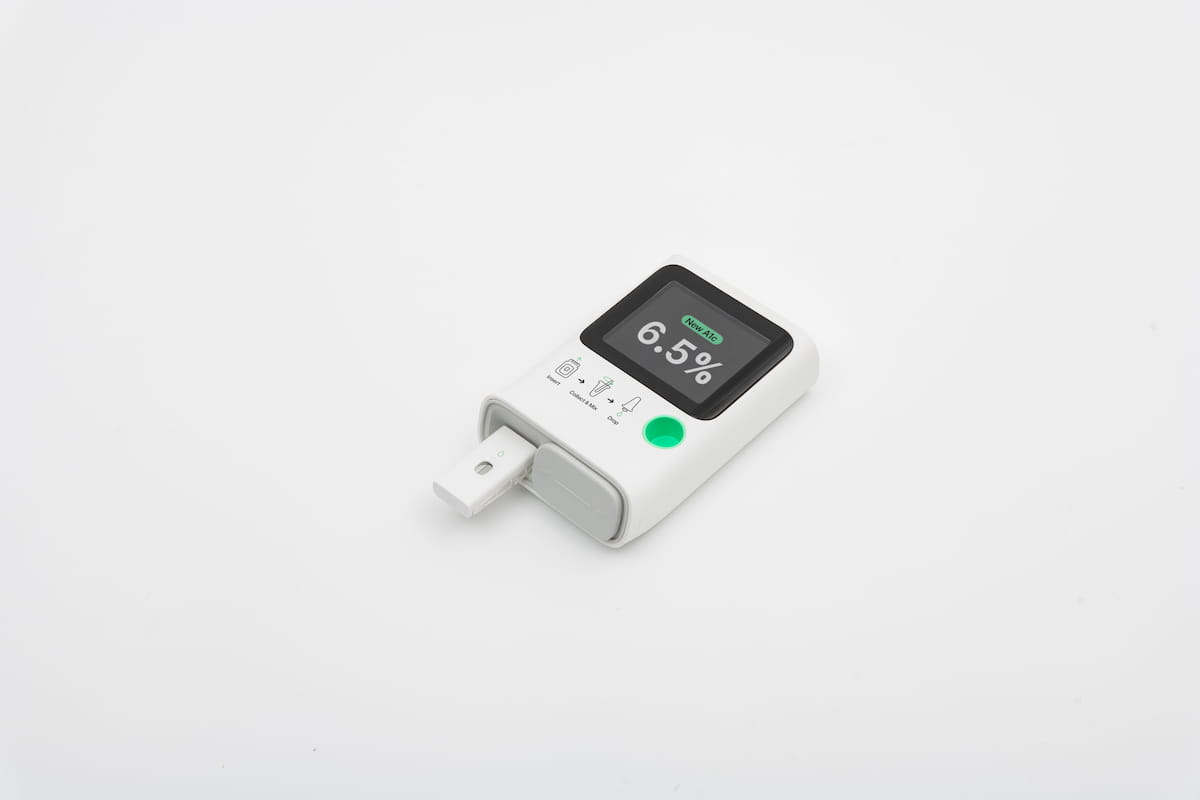
Orange Biomed’s device is designed to be intuitive, much like a home glucose meter. But knowing what to do with the result is just as important as getting the number.
Here are a few suggestions to help make A1C monitoring more effective:
Orange Biomed’s vision extends beyond A1C. Its underlying microfluidic technology may be further developed for broader medical applications, such as supporting care for kidney-related conditions or exploring early cancer markers.
Because the system works with tiny samples and doesn’t rely on bulky lab equipment, it opens the door to a future where high-quality health monitoring can happen anywhere, even in the comfort of home.
A1C monitoring has long been an important, but often inconvenient, part of diabetes care. With Orange Biomed’s new device, that’s changing. It offers fast, accurate, and easy A1C testing for anyone, anytime, without a lab or technician.
For people managing diabetes, this technology means more freedom, more confidence, and better control over their health journey.
TIP: Start by testing just once, tracking your result, and discussing it with your doctor. Small steps can lead to big changes in diabetes care.


By subscribing, you consent to receive emails from BlackDoctor.com. You may unsubscribe at any time. Privacy Policy & Terms of Service.