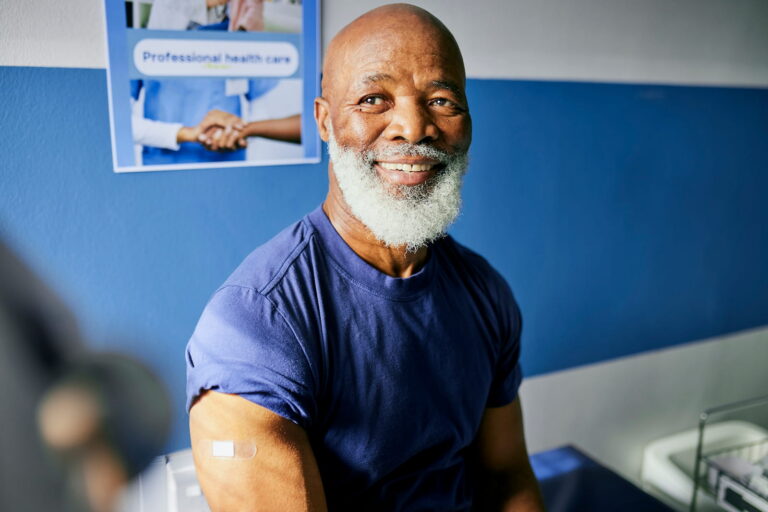
✦ The 2025 Black Health Connect Conference panel emphasized authenticity in leadership, asserting that true connection comes from transparency rather than titles, fostering trust and relatability within healthcare spaces.
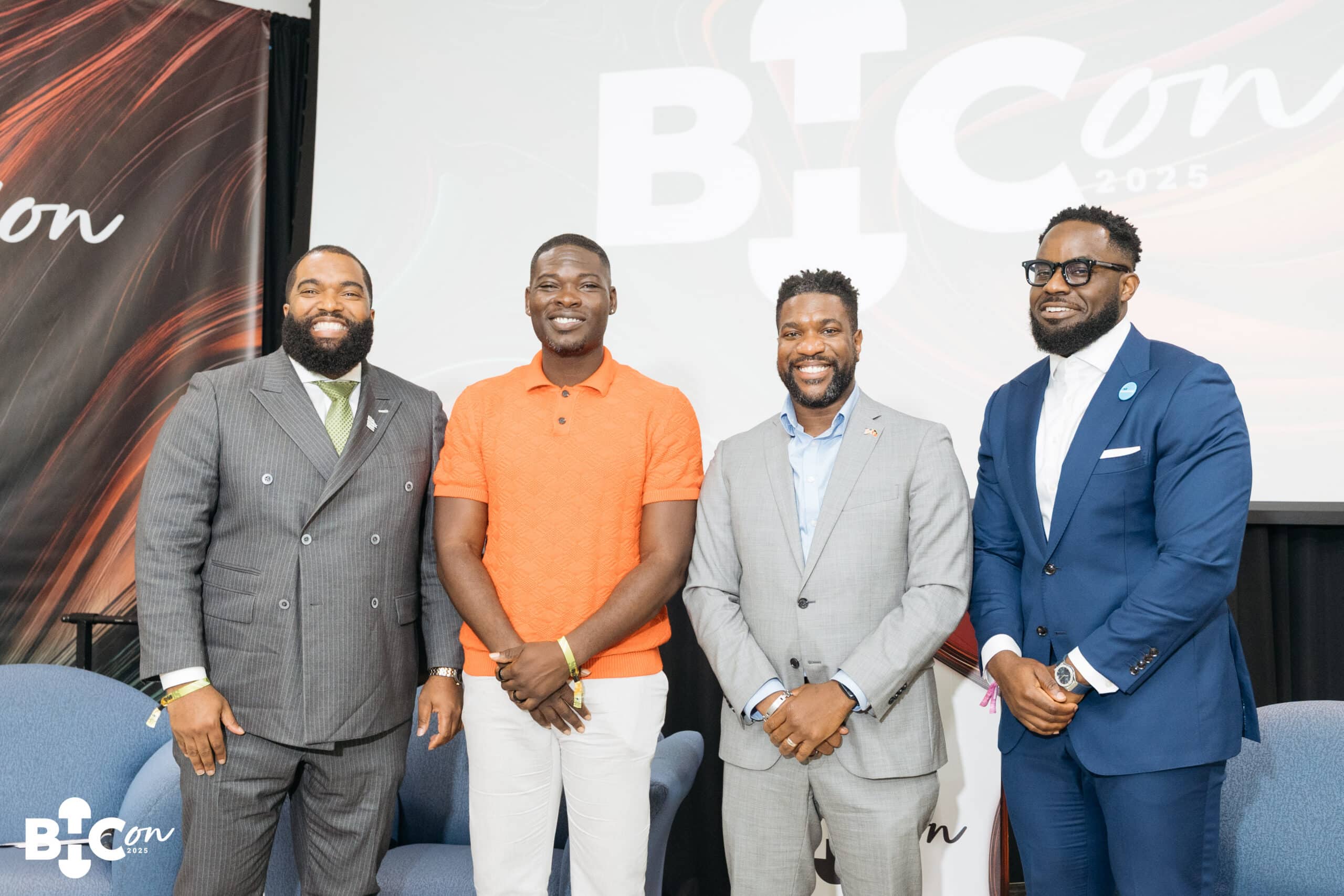
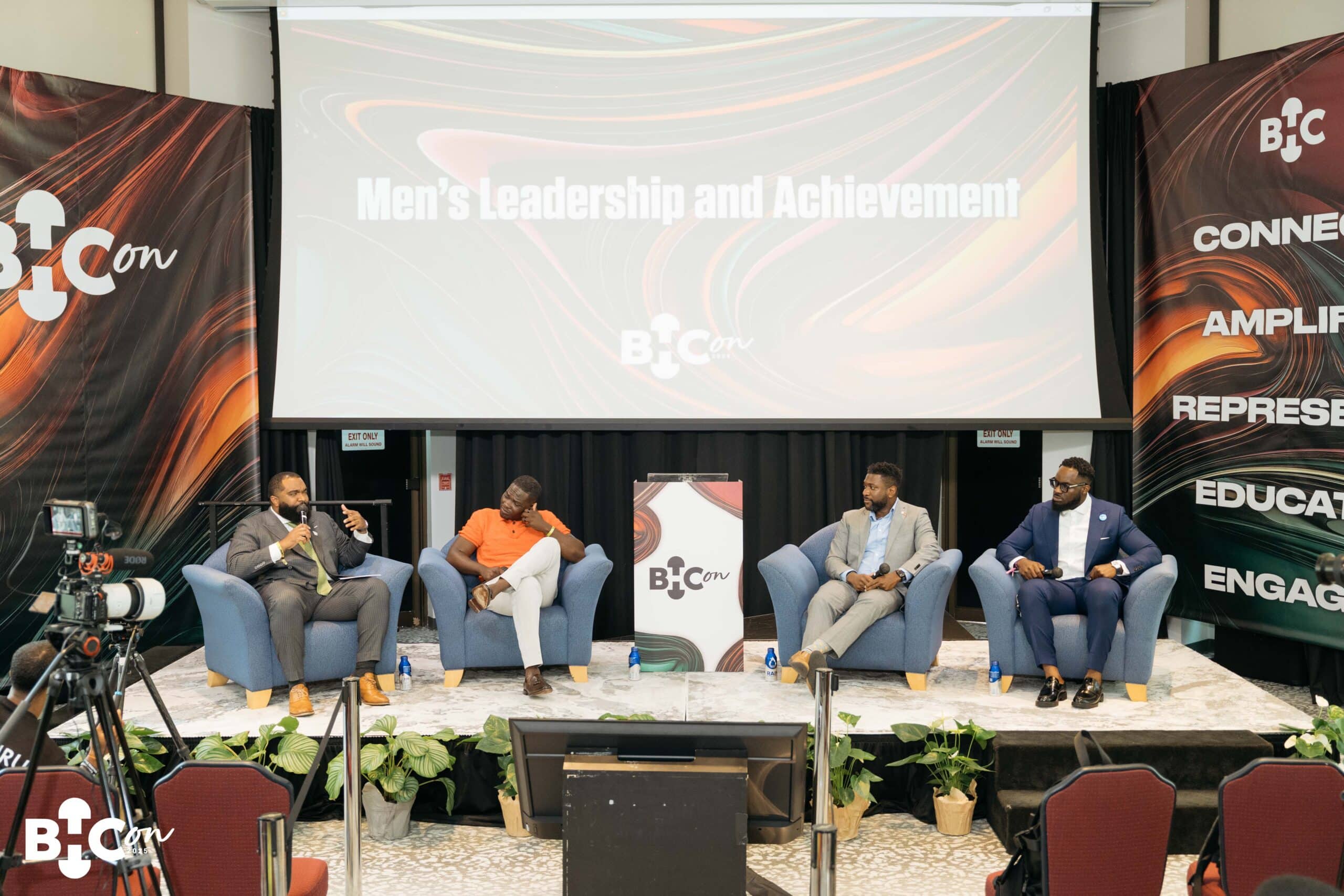
At the 2025 Black Health Connect Conference, a bold, refreshing, and deeply necessary conversation unfolded during the panel titled “Men’s Leadership and Achievement in Healthcare.” It wasn’t just about success stories. It was about truth, transformation, and trailblazing. From mental health to public health policy, social media to mentorship, this panel shattered old narratives and offered a vision for the future of Black men in healthcare—one where authenticity leads and community comes first.
Moderator:
Speakers:
Together, these leaders painted a new picture of what Black male excellence looks like in healthcare, not just in titles and credentials, but in character, compassion, and collective uplift.
One of the most powerful messages from the panel? You don’t have to have it all together to lead.
Each panelist emphasized the importance of bringing their full selves into every space, flaws, failures, and all.
“What people connect with isn’t your title—it’s your transparency.”
Whether it’s showing up as a therapist, pharmacist, or public health executive, these men shared that being real earns trust faster than any resume ever could.
From Instagram stories to educational TikToks, the panelists agreed: healthcare doesn’t just live in clinics—it lives in content.
“It’s not about going viral—it’s about being valuable.”
They urged attendees to use their platforms—no matter how small—to share truth, create connection, and serve their communities.
The myth of the “strong, silent Black man” was confronted head-on.
Panelists described how the pressure to never show weakness leads to mental, physical, and emotional burnout.
Instead, they proposed a new model of manhood:
“We’ve been told to be ‘tough’ our whole lives. But being tough isn’t the same as being well.”
This part of the conversation struck a chord—and drew a clear line: healing has to start with us.
Dr. Buckley spoke from both a public health and economic perspective, connecting the dots between health equity and local investment. His philosophy:
“You can’t talk about public health if you’re not talking about economics and ownership.”
The panel encouraged attendees to build systems that last and put money behind their mission.
Every speaker credited their journey to the influence of mentors, formal and informal.
They made it clear: mentorship isn’t a luxury for Black men in healthcare—it’s survival.
“I had someone talk me off the ledge more than once. Now I do that for others.”
Whether it’s offering career advice, opening doors, or simply being present, mentorship is how Black men create legacy and break cycles.
The panel closed with reflections on scholarship, platform growth, and paying it forward. As their influence grows, so do their responsibilities. Speakers shared plans to:
“We don’t wait until we retire to give back. We give now—because we know what it’s like not to have.”
These men are proof that Black male leadership in healthcare is multifaceted, deeply felt, and urgently needed. They are therapists and pharmacists. Strategists and creators. Mentors and mentees. Fathers, sons, brothers, and community builders.
“You don’t have to be the first in the room. Just make sure you’re not the last. And when you’re in—hold the door open.”


By subscribing, you consent to receive emails from BlackDoctor.com. You may unsubscribe at any time. Privacy Policy & Terms of Service.