Summer is fun for your hair—until it isn’t.
Months of sun exposure, sweat, swimming, heat styling, protective styles, and product buildup can leave textured hair feeling dry, brittle, or simply not like itself. And as summer winds down, you may also notice more hair in your brush or shower drain.
So before you carry your summer hair habits into fall, consider this your sign to reset your scalp and strands.
Dr. Cheri Frey, a board-certified dermatologist and hair-health expert, says the transition into fall is a good time to take stock of what’s happening with your hair—not just how it looks.
“Most people normally shed about 50 to 100 hairs per day,” Frey says. Shedding may temporarily increase during seasonal transitions such as late summer and early fall. However, excessive shedding that lasts longer than two to three months or comes with itching, pain, scaling, or patchy hair loss deserves a closer look by a dermatologist.
The American Academy of Dermatology (AAD) also notes that hair shedding can have many causes, including illness, stress, hormonal changes, and certain hair-care practices.
Here’s how to give your hair—and scalp—a fall reset without overhauling everything.
RELATED: 6 Things Black People Should Stop Doing to Our Hair
Your scalp is where healthy hair growth begins, so don’t treat it as an afterthought.
“Prioritize scalp health,” Frey says. That means keeping the scalp clean, addressing dandruff or irritation early, and paying attention to changes that don’t resolve on their own.
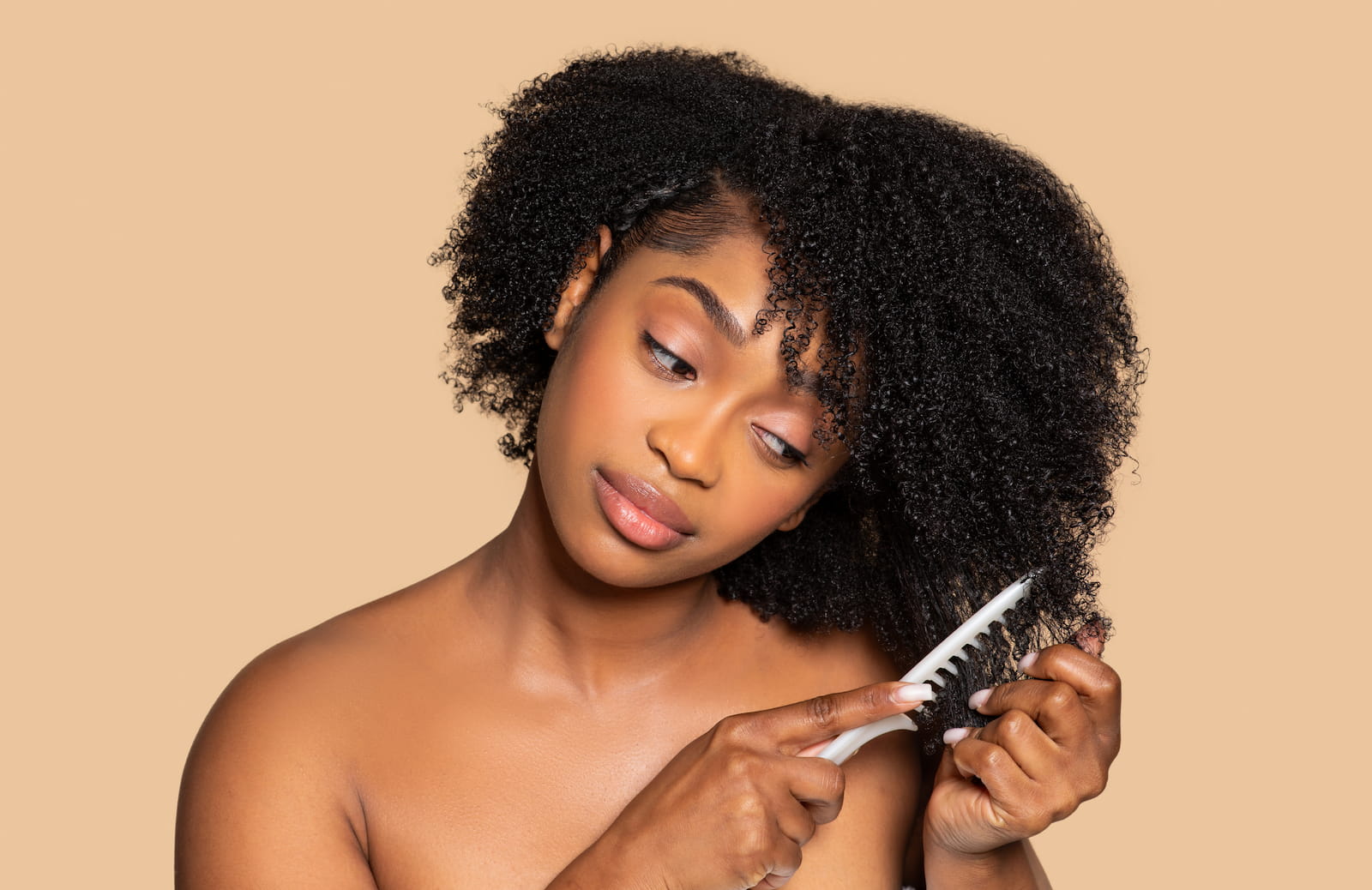
For Black hair, that may require balancing cleansing with your hair’s texture, styling routine, and moisture needs. The AAD recommends washing Black hair about once a week or every other week to help prevent product buildup, while conditioning regularly to help protect the hair’s more fragile ends.
If your scalp feels itchy, painful, excessively flaky, or inflamed, don’t automatically assume you need a stronger shampoo or another product. A scalp condition may need treatment.
Summer can pile several forms of stress onto your hair at once.
“UV radiation from the sun can damage the hair cuticle, causing dryness, dullness, and breakage,” Frey says.
Swimming can add another layer. Chlorine and salt water can strip away natural oils, which can be especially problematic for textured hair that tends to be drier at baseline.
The AAD similarly notes that sun exposure can make hair dry, brittle, rough, and prone to breakage, while chlorine can damage the hair’s protective lipids and contribute to split ends.
Your fall reset doesn’t have to mean cutting off all your summer-damaged hair. Start by focusing on:
RELATED: Foods That Have Proven to Supercharge Hair Growth

Here’s something many of us don’t hear often enough: not every protective style is actually protective.
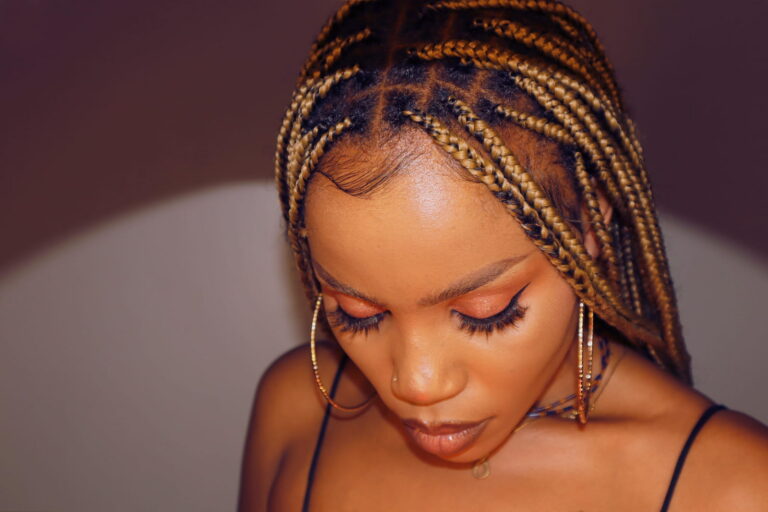
Braids, cornrows, wigs, weaves, and other low-maintenance styles can help reduce daily manipulation—but only when they’re installed and maintained in ways that don’t put excessive stress on the hair or scalp.
“The biggest mistakes I see are excessive tension, leaving styles in too long, neglecting scalp hygiene, and repeatedly wearing the same high-tension style,” Frey says.
And if a hairstyle hurts during installation?
That’s not something you should simply tough out.
The AAD specifically warns that repeatedly wearing tight hairstyles—including braids, cornrows, buns, and ponytails—can cause traction alopecia, a form of hair loss that can become permanent.
Frey recommends rotating styles, avoiding excessive tension, and reducing cumulative stress on the hair.
“Protective styles only protect the hair if they’re installed and maintained properly.” — Dr. Cheri Frey
RELATED: How to Properly Care for Your Hair With Extensions
Not every strand you find in the sink means you’re losing your hair from the root.
Dry hair may feel rough and look dull, frizzy, or difficult to manage.
Breakage, however, happens when the hair shaft snaps. You may notice shorter hairs, split ends, or pieces breaking off along the length of the strand.
Hair loss is different.
“If you notice your parts getting wider or thinning around the hairline or temples, or patchy hair loss, it’s time to see a dermatologist,” Frey says.
Widening parts, a thinner ponytail, receding hairlines, and bald patches are all potential signs of hair loss.
And this matters particularly for Black women. Conditions including traction alopecia and central centrifugal cicatricial alopecia (CCCA) can affect Black women, making early evaluation important when you notice persistent thinning or changes in your scalp or hair.
You don’t need 12 new products and a completely different routine.
Frey recommends starting with the basics:
1. Cleanse regularly.
Remove sweat, excess product, chlorine, and buildup according to your hair type and lifestyle.
2. Condition consistently.
Focus on keeping the hair fiber moisturized and reducing dryness and friction.
3. Turn down the heat.
Limit flat irons, curling irons, hot combs, and high-heat blow-drying. When you do use heat, use the lowest effective temperature and a heat-protective product.
4. Loosen up.
If your braids, ponytail, wig installation, or other style hurts, it’s too tight. Repeated pulling can lead to traction alopecia.
5. Give your scalp some attention.
If you’re experiencing persistent dandruff, itching, scaling, pain, or inflammation, get it evaluated rather than simply covering it up.
6. Don’t forget what’s happening inside your body.
Healthy hair depends on overall health, including adequate nutrition. Frey recommends a balanced, protein-rich diet and addressing any confirmed nutritional deficiencies with a healthcare professional.
Some people also choose to include hair supplements or scalp-care products in their routine, but they should be viewed as additions to—not replacements for—healthy hair practices. Products such as Xtressé Hair Growth Gummies and the FR Concentrate Serum can be used in that way.
RELATED: What Black Women Should Know About Hormones, Aging, Midlife
The best hair reset isn’t one you do every September and forget about by Thanksgiving.
Think of fall as a reminder to establish habits that protect your hair year-round.
Keep your scalp healthy.
Cleanse regularly, and don’t ignore persistent itching, scaling, inflammation, or other changes.
Rotate your styles.
If you love braids, wigs, extensions, ponytails, or other styles that put tension on your hair, give your scalp and hair breaks between installations. Avoid repeatedly stressing the same areas.
Watch the heat.
Save high-heat styling for when you really want it rather than making it your everyday routine.
Protect your hair from the elements.
Sun, chlorine, salt water, winter dryness, and extreme weather can all affect your strands. Adjust your routine with the season instead of waiting until your hair feels damaged.
Pay attention to changes.
Your hair doesn’t have to fall out in clumps for something to be wrong. A widening part, thinning edges, a changing hairline, persistent breakage, or a new patch of hair loss can all be reasons to get checked.
And don’t automatically blame yourself. Tackling these hair challenges early will make your treatment more successful.
Not every seasonal shed requires a doctor’s visit. But don’t write off significant or persistent changes as simply “fall shedding.”
Frey recommends seeing a board-certified dermatologist if shedding lasts longer than three months, you develop patchy hair loss or a receding hairline, your part begins widening, or you experience scalp symptoms such as pain, itching, or scaling.
Hormonal changes can also affect hair. During perimenopause and menopause, some women experience gradual thinning, particularly around the crown or with a widening central part. Other types of hair loss can also emerge during this stage of life, so persistent changes deserve an actual diagnosis rather than a guess.
The good news? Hair loss isn’t always something you simply have to accept.
“There are effective treatments available,” Frey says. “The sooner we identify the underlying cause, the better the chances of preserving the hair.”
Your summer hair may need a little recovery time. That’s normal.
Start with your scalp. Reduce unnecessary tension and heat. Restore moisture. Pay attention to what’s actually happening instead of throwing another product at the problem. And make your fall reset the beginning of a year-round routine—not another temporary fix.
Because healthy hair isn’t about having a perfect routine; it’s about having a routine you can actually maintain.


By subscribing, you consent to receive emails from BlackDoctor.com. You may unsubscribe at any time. Privacy Policy & Terms of Service.