One minute something’s good for you, the next it isn’t. Now it’s soy’s turn.
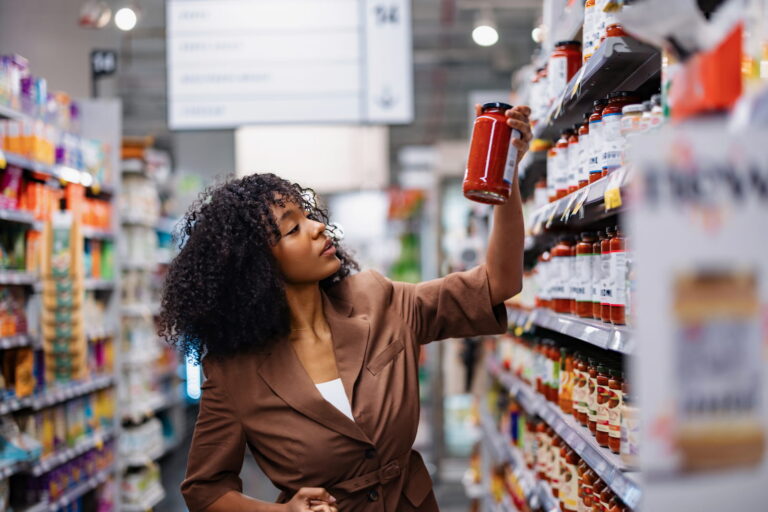
You may be thinking, “I don’t do tofu or soymilk, so this article isn’t relevant to me, but you may be surprised to find out that you might still be consuming much more soy than you think.
Practically all processed foods contain some form of soy. Even some canned tuna contains a soy protein as part of the broth. Check the foods you buy for these ingredients: Soy lecithin, soy protein concentrate, soy protein isolate, texturized vegetable protein, hydrolyzed vegetable protein or any other phrase containing the word “soy.”
Got your attention now?
So is it good or bad? Well, that’s still up for debate. Many health professionals are even confused, and are hastily joining a soy-bashing fad. But is this latest information on soy really accurate? It seems as if people are scrutinizing a distorted view of soy due to a lack of education and misunderstanding of cultural history. Soy, like tuna, salmon, and dairy, is now on an endangered species list. So, let’s set the record straight by examining the core of this problem – the genuine dangers of adulterated soy – a “modified” form of safe soy.
The Good
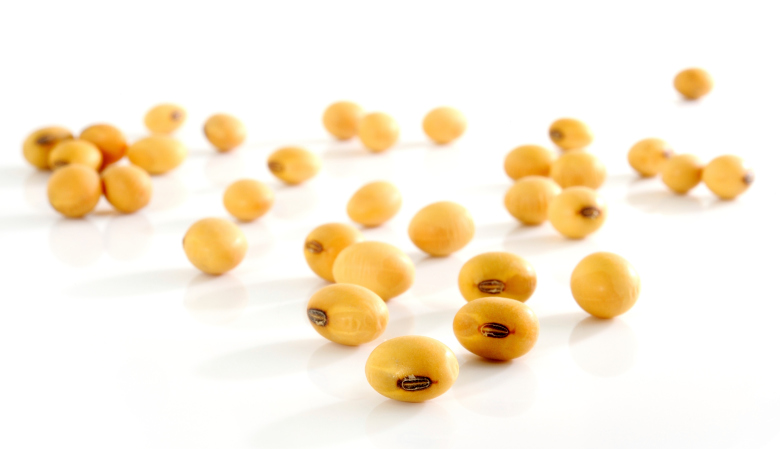
Soybeans supply a source of oil used for forage and soil improvement, and have been safely used as a staple food in traditional Chinese and Japanese cultures for centuries. Native to Asia, the soybean plant is an erect bushy, hairy annual herb with trifoliate leaves and purple to pink flowers. Extensively cultivated for food and scavenging, and soil improvement, the soy plant has particularly nutritious oil-rich seeds called soya, soybean, soya bean, soja, or soja bean. Soy sauce is a thin sauce made of fermented soybeans. Soy is the most highly proteinaceous vegetable crop known to man.
Soybeans contain a striking selection of biologically active components called phytochemicals, the most noteworthy are isoflavones. Isoflavones are compounds currently studied for the relief of certain menopausal symptoms, cancer prevention, slowing or reversing of osteoporosis, and reducing the risk of heart disease.
The Bad
American soy has been GMO-d, contaminated, sprayed with pesticides, fertilized with toxic chemicals, and harvested and sent to market before being properly fermented. This is one reason many European countries such as France and Denmark, and Eastern European countries such as China, Taiwan, and Singapore have turned away ships exporting American soy to their countries.
Over ninety percent of American soy products are genetically modified, and the good ol’ USA can also claim having one of the highest percentages of food contamination due to pesticides.
The Solution
Do you want to know how to keep your soy healthy? Well, here’s the key – purchase soy products that have been properly fermented and organically grown, and like everything else you eat, consume soy in moderation. (Many Americans tend to “over-do” a good-thing.)
So why do American soy manufacturers leave proper fermentation out of modern soy processing? Time and money, perhaps?
Limit your use of soy to fermented and organic soy products only, like tempeh or miso. Purchase soy that is grown and processed “properly”, primarily from select foreign and specialized organic sources. Avoid GMO and domestically mass-produced soy products. Limit your daily consumption of soy, just as you limit your consumption of meats, dairy, and other foods. Treat soy consumption in Westernized nations with scrutiny, just as you do with tuna, farm-raised salmon, GMO grains, and highly processed dairy. Be cautious concerning the soy sources of baby formulas and leave the modified forms for the mass-manufacturers to eat.



By subscribing, you consent to receive emails from BlackDoctor.com. You may unsubscribe at any time. Privacy Policy & Terms of Service.