People who’ve lost their ability to smell and taste due to COVID-19 have significant struggles, but they can find ways to cope with their situation, a new study shows.
One of the most common side effects of COVID-19 is the loss of the sense of smell, which severely affects the sense of taste. This can lead to anxiety, depression and reduced quality of life.
In this study, five women were interviewed about how they were affected by their loss of smell and taste due to COVID-19.
Here are some of their responses:
RELATED: 7 Ways to Protect Your Mental Health During the COVID Pandemic
Those responses reveal the emotional toll of the participants’ loss of smell and taste, study author Dr. Katie Phillips says.
An “important component for this whole issue is the real mental health impact it has on patients when they can’t taste and smell,” she adds. “I think just letting people know there is a mental health impact and acknowledging that, so that they need to get help and treatment if they’re having difficulty, and that they’re in the norm of people dealing with that.”
A Lack of sensory experience can have a severe impact on mood and individual well-being, and is
a substantial risk factor for anxiety and depression.
“The loss of your taste and smell is also an invisible, or hidden, disability; other people can’t readily observe this condition. Individuals contending with the loss of their taste and smell may experience isolation and loneliness because others do not know about or understand their experience,” Talkspace therapist Liz Kelly explains.
In addition to anxiety and depression, a loss of taste and smell can also cause eating disorders.
RELATED: Loss of Smell and Taste May Persist Post-COVID Infection
Phillips says that the study participants found creative ways to cope with the loss of smell and taste:
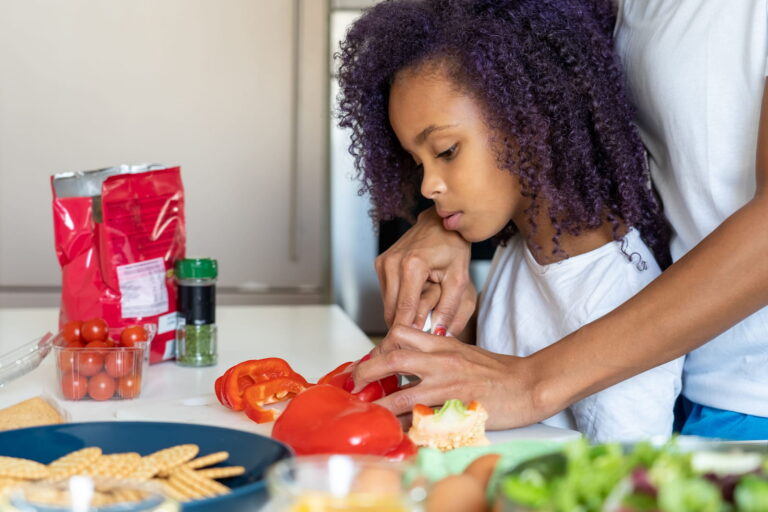
“Crunchiness was one of those things that people mentioned along with texture,” she says. “And some of the texture was different. Some people really liked soft things, some liked crunchy things along those lines. It seemed as if texture was a really important component.”
For example, strawberries were among the foods the women ate because they could sense the texture of the fruit.
“It seemed like the patients we interviewed liked cold things. They liked carbonated beverages,” she adds.
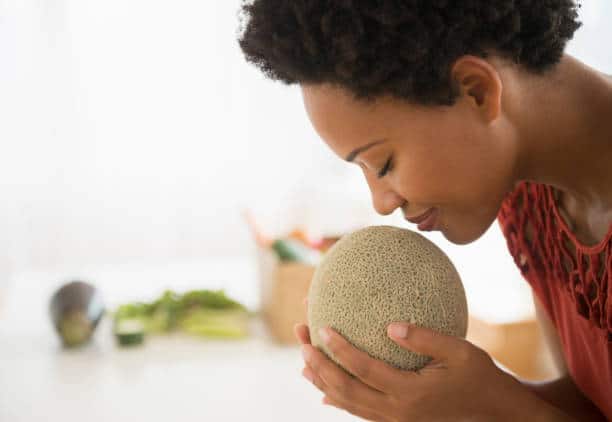
Other strategies included going to a candle store or a coffee shop to experience strong smells. A recent study found that smell training could be helpful in regaining scent. Try sniffing essential oils such as lavender, eucalyptus, rose, cinnamon and chocolate a couple of times a day. If you are unable to smell the scents, try using your mind to remember how the scents smelled.
If your mental health as been impacted by the loss of taste and smell, the following may help:
Educating yourself about this condition and consulting with an ear, nose, and throat (ENT) specialist can also aid you in coping with the loss of taste and smell.
“I think getting the knowledge out is key,” Phillips shares. “This is something I repeat to my patients. It’s more about how people in that situation can compensate. I don’t think it’s a treatment mechanism for taste and smell loss. It’s more how you deal with this loss.”
If you believe COVID-19 may have impacted your taste and smell, Talkspace suggests the following exercises:
Sensory loss can be devasting. Allow yourself to feel whatever emotions may come from this loss, but also remember to be gentle with yourself. Don’t focus so much on the loss. Instead, try focusing on gratitude and being grateful that you survived COVID.


By subscribing, you consent to receive emails from BlackDoctor.com. You may unsubscribe at any time. Privacy Policy & Terms of Service.