Ovarian cyst rupture is the breaking open of a fluid-filled sac on the ovary. It can cause sudden pelvic pain, internal bleeding, bloating, and inflammation. While many ruptures resolve on their own, some require urgent medical care depending on severity.
If you’ve ever felt sudden, sharp pain in your lower abdomen and thought, “Something is not right,” you’re not being dramatic. An ovarian cyst rupture can come on fast, hurt intensely, and leave you wondering whether you should wait it out or head straight to the ER.
Ovarian cysts are common, especially during reproductive years, and many never cause problems. But when a cyst in the ovary ruptures, the symptoms can range from uncomfortable to intensely painful.
Knowing what a ruptured ovarian cyst feels like—and when it’s an emergency—can make all the difference.
Let’s break it down clearly, calmly, and honestly.
RELATED: The 6 Types Of Ovarian Cysts (And What You Can Do About Them)
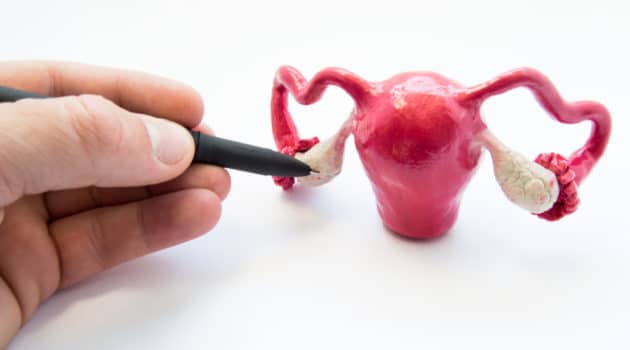
The Mayo Clinic explains that ovarian cysts are fluid-filled sacs that form on or inside the ovaries (females have two ovaries, one on each side of the uterus), often during ovulation.
But when an ovarian cyst bursts or breaks open, fluid (and sometimes blood) can spill into the pelvic cavity, triggering pain and inflammation.
Most are harmless (benign) and resolve on their own. These are classified as simple cysts.
But if the cyst is large (or what doctors classify as complex), it can cause internal bleeding or infection and requires immediate medical care.
There’s no single reason an ovarian cyst bursts, but doctors have identified a few common triggers:
Cyst size – Larger cysts are more likely to rupture
Rapid growth – Smaller cysts that grow quickly can burst
Sexual activity – Penetration can cause pressure on the ovary
Intense exercise or twisting movements
Hormonal fluctuations during your cycle
In rare cases, what feels like a uterine cyst burst is actually ovarian pain radiating through the pelvis.
RELATED: 5 Signs of a Ruptured Ovarian Cyst You Shouldn’t Ignore
Not every rupture feels the same, but these are the most common symptoms of an ovarian cyst rupture, the Cleveland Clinic notes.
Sudden and sharp pain on one side of the lower abdomen
Dull aching pain that worsens over hours
Bloating or abdominal fullness
Nausea or vomiting
Vaginal bleeding or spotting
Dizziness or fainting
Rapid breathing or heart rate
Fever or chills
Cold, clammy skin
These symptoms of a ruptured ovarian cyst can indicate internal bleeding, especially if you’re on blood thinners or have a bleeding disorder.
If pain is mild and improving, many people can safely recover at home with guidance from their healthcare provider.
⚠️ Call 911 or go to the ER immediately if pain is severe, you feel faint, or your symptoms worsen quickly.
Severe pelvic pain can feel overwhelming in the moment, which is why clear guidance on when to seek emergency care matters.
RELATED: 5 Natural Remedies For Ovarian Cysts
Most ovarian cyst rupture cases are not life-threatening, but complications can happen.
According to the Cleveland Clinic, severe bleeding may reduce blood flow to vital organs. In rare cases, an untreated hemorrhage can be fatal.
Black women, in particular, are more likely to have pain dismissed or minimized, so trust your body and advocate loudly if something feels off.
According to Johns Hopkins Medicine, diagnosis typically includes:
Pelvic exam
Ultrasound imaging
Blood tests to check for bleeding or infection
Pregnancy test (to rule out ectopic pregnancy)
Doctors also assess whether the cyst was simple or complex, which impacts treatment.
If the rupture is uncomplicated — meaning there’s no heavy bleeding, infection, or signs of cancer — doctors often recommend conservative care.
According to Johns Hopkins Medicine, treatment for a simple ruptured ovarian cyst may include:
Pain medication, such as NSAIDs or prescription pain relievers
Rest and symptom monitoring at home
Follow-up ultrasound imaging to confirm the cyst is resolving
Johns Hopkins notes that many women recover fully within a few days as the body gradually reabsorbs the fluid released during the ovarian cyst rupture, without the need for surgery.
More serious cases may require:
IV fluids
Hospital monitoring
Blood transfusion (rare)
Emergency surgery
According to Johns Hopkins Medicine, surgery is typically reserved for cases of ongoing bleeding, infection, or cancer.
RELATED: What Black Women Must Know About Ovarian Cancer

A rupture and torsion are not the same thing.
Rupture: The cyst bursts, releasing fluid or blood. Pain may improve gradually.
Ovarian torsion: The ovary twists around its blood supply, cutting off circulation. Pain is often severe, persistent, and may come with nausea and vomiting.
Ovarian torsion is a surgical emergency. If pain is sudden, intense, and does not ease, seek immediate medical care.
This is important because torsion is often misinterpreted as “just a bad cyst.”
Ovarian cysts are common during reproductive years, and most never cause symptoms.
When can you have sex again?
It’s best to wait until the pain has fully resolved. For many people, that’s about one to two weeks. Intercourse too soon can worsen pelvic discomfort.
Will this affect fertility?
In most cases, no. A single ruptured ovarian cyst does not typically affect long-term fertility.
However, repeated cysts or underlying conditions like endometriosis or PCOS may impact reproductive health, which is why follow-up care matters.
If you’re trying to conceive and experience repeated ovarian cyst rupture episodes, talk with your OB-GYN about evaluation and monitoring.
During recovery, ovarian cyst supportive therapy focuses on pain relief and inflammation reduction:
Heating pads
Gentle movement after acute pain subsides
Hydration
Anti-inflammatory nutrition
Please note: If you have diabetes, IBS, or specific dietary needs, check with a healthcare provider before making dietary changes related to ovarian cyst treatments.
Here’s what you can expect medically after a ruptured ovarian cyst:
Light bleeding may occur
Temporary pelvic tenderness
Mild fatigue
Bloating that gradually decreases
For many people, discomfort becomes manageable with over-the-counter pain relievers and rest. WebMD notes that it is a common home-care approach after an ovarian cyst rupture.
Pain usually follows a predictable pattern:
Immediate phase: Sudden, sharp pain at the moment of rupture
First 24–72 hours: Aching, inflammation, bloating
Recovery time depends on the type of cyst:
Simple cysts: Many people feel significantly better within a few days to a week.
Complex cysts: Pain and monitoring may last longer, especially if there was internal bleeding.
If pain worsens instead of improving, or new symptoms appear, follow up with your provider.
Ovarian cysts are not always preventable, but hormonal birth control may reduce the risk of future cysts for some people. Regular pelvic exams help catch issues early, especially if you have a history of cysts or experience recurring ovarian cyst burst episodes.
Yes, ovarian cysts can happen again, and if you’ve had one rupture before, it’s normal to feel anxious about recurrence, which is why ongoing monitoring and symptom awareness matter.
Always talk to your doctor about your full medical history before starting or stopping hormonal birth control.
RELATED: Girls With Type 2 Diabetes at Higher Risk for Ovarian Cysts
Call your healthcare provider if you experience:
Persistent pelvic pain
Fever or vomiting
Heavy bleeding
Repeated episodes of ovarian cyst bursting
You deserve answers—and relief.
This article is for informational purposes and does not replace medical advice from your healthcare provider.
[saswp_tiny_multiple_faq headline-0=”h3″ question-0=”What does an ovarian cyst rupture feel like?” answer-0=”Most people describe it as sudden, sharp pain on one side of the lower abdomen. The pain may feel stabbing at first, then turn into a dull ache. Some people also experience bloating, nausea, dizziness, or light vaginal bleeding. If the pain is severe, causes fainting, or comes with fever or rapid heart rate, seek emergency care.” image-0=”” count=”1″ html=”true”]
[saswp_tiny_multiple_faq headline-0=”h3″ question-0=”How long does ruptured ovarian cyst pain last?” answer-0=”Pain often peaks right after the rupture and gradually improves over a few days. Mild discomfort may linger for up to a week as the body reabsorbs the fluid. If pain gets worse instead of better, or lasts longer than several days, call your healthcare provider.” image-0=”” count=”1″ html=”true”]
[saswp_tiny_multiple_faq headline-0=”h3″ question-0=”Can a ruptured ovarian cyst heal on its own?” answer-0=”Yes. Many simple ruptured ovarian cysts heal without surgery. The body absorbs the fluid naturally, and symptoms improve with rest and pain management. However, complex cysts or ruptures involving heavy bleeding may require medical treatment.” image-0=”” count=”1″ html=”true”]
[saswp_tiny_multiple_faq headline-0=”h3″ question-0=”Can a ruptured ovarian cyst affect fertility?” answer-0=”In most cases, no. A single ruptured cyst does not usually impact long-term fertility. However, repeated cysts related to conditions like endometriosis or polycystic ovary syndrome (PCOS) may affect reproductive health, which is why follow-up care matters.” image-0=”” count=”1″ html=”true”]
[saswp_tiny_multiple_faq headline-0=”h3″ question-0=”Is a ruptured ovarian cyst the same as a miscarriage?” answer-0=”No. A ruptured ovarian cyst and a miscarriage are different medical events. But symptoms like pelvic pain and bleeding can overlap. Doctors often perform a pregnancy test to rule out miscarriage or ectopic pregnancy when evaluating severe pelvic pain.” image-0=”” count=”1″ html=”true”]
Knowledge protects your health. Recognizing ovarian cyst rupture signs early, understanding treatment options, and knowing when to seek care can protect your health and your peace of mind.
Listen to your body. It’s not lying to you.


By subscribing, you consent to receive emails from BlackDoctor.com. You may unsubscribe at any time. Privacy Policy & Terms of Service.