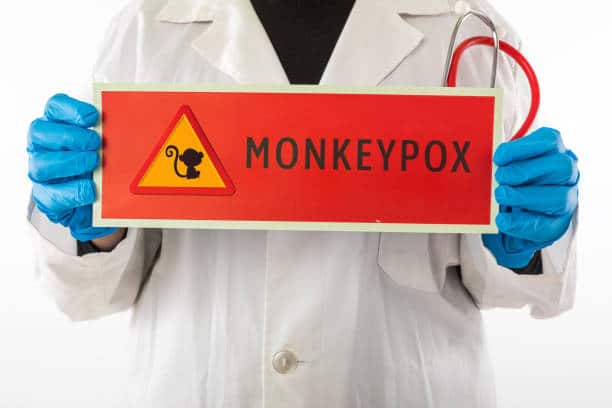
While monkeypox cases are declining in the United States, a new government report shows that patients with weakened immune systems, especially those living with HIV, have been hit particularly hard by the virus.
Even after taking antiviral medication for monkeypox, those with untreated HIV were more likely to end up in the hospital, the researchers from the U.S. Centers for Disease Control and Prevention found.
Since May, about 28,000 monkeypox cases have been reported in this country, and 12 people who were hospitalized with the virus have died.
In the report, CDC scientists described the cases of 57 patients treated between mid-August and Oct. 10.
All of the patients had severe lesions caused by the virus, including 39 people who experienced lesions in their eyes, mouth and other mucous membranes.
Nearly all the patients who were hospitalized were Black, 54 were men, three were pregnant and nearly 25% were homeless. Two of the patients were undergoing chemotherapy, according to the report. Another three had received organ transplants. About one-third of these 57 patients were treated in intensive care.
RELATED: U.S. Monkeypox Cases Are Declining
While about 5% to 10% of monkeypox patients are admitted to the hospital, those with HIV are more likely to be hospitalized, the Washington Post reported.
Of the monkeypox-associated deaths, six are still being investigated, according to the report.
The virus is typically affecting men who have sex with men in the current outbreak, causing painful lesions even when not severe. Those with HIV and people of color make up a disproportionate share of patients. About 38% of monkeypox cases were in someone with HIV, according to a review of 2,000 cases this summer, the Post reported.
Doctors should test for HIV in all sexually active patients who they suspect have monkeypox. They should consider
monkeypox treatment in “highly immunocompromised” patients, including those with advanced HIV, the CDC said.
Patients who are being treated for their HIV do not appear to have increased monkeypox risks, Anu Hazra, co-medical director of Howard Brown Health, a Chicago LGBT health provider, told the Post.
“While we know HIV impacts our immune system, we also know that not all people with HIV are the same,” Hazra noted.
The CDC report detailed particular monkeypox cases, including that of a Latino man in his 20s who tested positive after going to the emergency department with back pain and a rash. He was also positive for HIV and died after his condition quickly escalated with difficulty breathing and kidney failure, despite treatment with TPoxx and treatment for HIV in the hospital.
Another patient was a Black man in his 30s who had AIDS and was not being treated. He had a rash in July and was tested and treated for gonorrhea, chlamydia and syphilis. His lesions worsened, and he was admitted to the hospital with monkeypox, but discharged with a supply of TPoxx. He improved, but then worsened again and was hospitalized for an antibiotic-resistant bacterial infection. He continued to bounce back and forth, eventually being readmitted again for his symptoms.
A white man in his 40s who had not been receiving treatment for AIDS also bounced between the hospital and release with treatment administered at varying times. He ultimately had a toe and part of one of his index fingers amputated despite multiple treatments. He remains hospitalized.
“This is an important description of severe consequences of monkeypox and should highlight the critical importance of getting vaccines, treatment and risk messaging to the communities who are most severely impacted,” Anne Rimoin, an epidemiologist at UCLA who has studied monkeypox for two decades, told the Post. “The disproportionate impact on communities that have less access to health services is the same story we see repeating itself locally and globally.”
RELATED: A Dermatologist Offers Tips On Recognizing the Monkeypox Rash
The CDC advises taking the following three steps to prevent getting monkeypox:
If you experience a new or unexplained rash, you should:
You should also notify the people you have had close, personal, or sexual contact with during the last 21 days, including people you met through dating apps. To help stop the spread, you might be asked to share this information if you have received a monkeypox diagnosis.


By subscribing, you consent to receive emails from BlackDoctor.com. You may unsubscribe at any time. Privacy Policy & Terms of Service.
Enter your name and email to receive the download link.