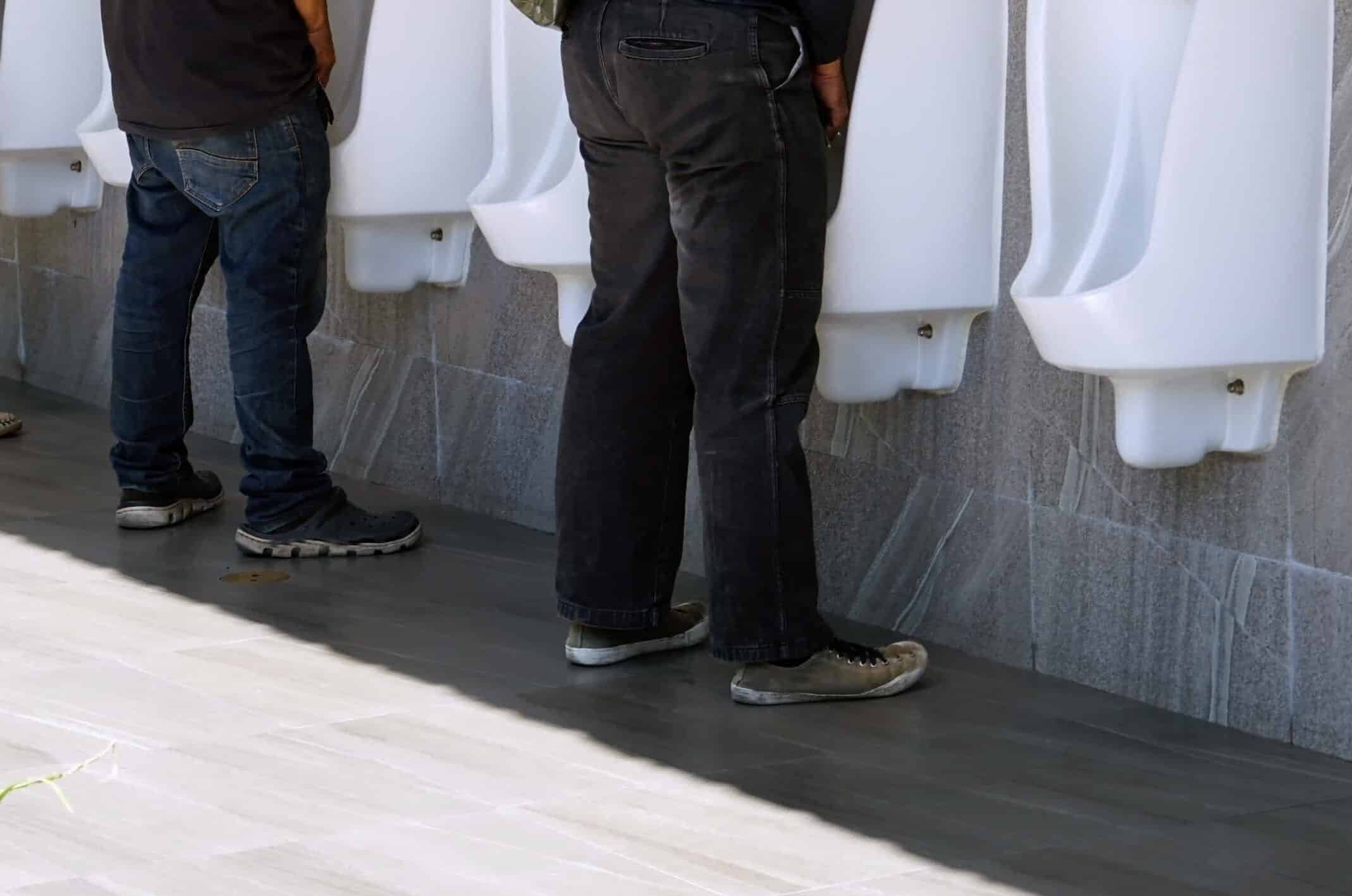
For generations, men have been taught that standing to pee is natural, efficient, and even a badge of masculinity. Bathrooms are designed for it. Culture reinforces it. Few ever question it. But a growing body of medical insight suggests something surprising: standing to urinate may not be the healthiest way for many men to empty their bladder—and sitting down can offer real, measurable benefits.
This isn’t about etiquette or convenience. It’s about anatomy, muscle function, and long-term urinary health. Let’s break down what’s really happening in the body, why standing can work against it, and how sitting may help men pee better, cleaner, and healthier.
Urination is not just a gravity-driven release. It’s a coordinated neurological and muscular process involving:
The bladder, which stores urine
The detrusor muscle, which contracts to push urine out
The urethral sphincters, which relax to allow flow
The pelvic floor muscles, which must fully relax for complete emptying
In an ideal situation, urination happens when the bladder contracts while the pelvic floor fully relaxes. That combination allows urine to flow freely and completely.
Here’s the key issue: standing makes it harder for many men to fully relax their pelvic floor.
When a man stands to urinate, the body remains in a semi-alert, postural state. The core muscles, glutes, thighs, and pelvic floor often stay partially engaged to maintain balance. This subtle tension can interfere with complete bladder emptying.
Incomplete bladder emptying
Residual urine remains in the bladder, increasing the risk of irritation and infection.
Weak or interrupted urine stream
Pelvic tension can reduce flow pressure.
Dribbling after urination
Leftover urine in the urethra leaks out after zipping up.
Increased strain
Many men subconsciously push or bear down to compensate, which can worsen pelvic floor dysfunction over time.
For younger men with no urinary issues, these effects may be minimal. But for men over 40—especially those with prostate enlargement, urinary hesitancy, or nighttime urination—standing becomes increasingly inefficient.
As men age, the prostate gland often enlarges. Even mild enlargement can narrow the urethra, creating resistance to urine flow. When this happens, posture becomes critical.
Standing while peeing forces urine through a narrower passage while the pelvic floor remains partially tense. Sitting, on the other hand, changes the angle of the pelvis and allows the pelvic floor muscles to relax more fully, making it easier to overcome resistance from the prostate.
This is why urologists often recommend sitting to urinate for men with:
Benign prostatic hyperplasia (BPH)
Weak stream
Frequent nighttime urination
Post-void dribbling
Sitting changes the mechanics of urination in several important ways:
When seated, the pelvis tilts slightly backward. This position naturally reduces tension in the pelvic floor muscles, allowing the bladder to empty more completely.
Studies measuring residual urine consistently show that many men—especially those with prostate issues—empty their bladders more fully when seated.
A relaxed pelvic floor means less resistance. Men often experience a stronger, steadier stream without straining.
With less urine left behind in the urethra, post-pee leakage is significantly reduced.
Stagnant urine can irritate the bladder lining and create an environment where bacteria thrive. Better emptying means lower long-term risk.
Standing doesn’t just affect the bladder—it affects hygiene.
Even with perfect aim, microscopic urine droplets spray outward when peeing standing up. These droplets can land on:
Toilet seats
Floors
Clothing
Skin
Over time, this contributes to odor, bacterial growth, and unnecessary cleaning. Sitting nearly eliminates splash-back, which is why shared households often see better bathroom hygiene when men sit.
For men with mobility issues, balance concerns, or nighttime bathroom trips, sitting also reduces fall risk, an underappreciated health benefit.
One reason sitting is resisted is cultural, not biological. Standing has been framed as “manly,” while sitting is sometimes mocked. But from a medical standpoint, there is nothing inherently masculine about inefficient bladder emptying.
Urologists are clear: the healthiest position is the one that allows the body to relax and function as designed. For many men, that position is sitting.
It’s also worth noting that in several countries, sitting to urinate is already common and socially normal. The resistance is largely cultural, not scientific.
Most men don’t realize that erections, ejaculation control, and orgasm intensity are closely tied to the strength and coordination of the pelvic floor muscles—especially the bulbocavernosus (BC) and ischiocavernosus (IC) muscles. These muscles help trap blood in the penis, maintain rigidity, and support ejaculation.
The good news? You can train them while sitting down, discreetly and safely, whether you’re at home, at work, or even in the car (while parked).
Below are evidence-based, seated pelvic floor exercises designed to improve erection quality, endurance, and overall sexual health.
Before exercising, you need to identify the pelvic floor correctly.
Try this once (not repeatedly):
While urinating, gently stop or slow the flow mid-stream
The muscles you used are your pelvic floor
⚠️ Do not train during urination regularly—it’s only for identification.
Another cue:
Imagine lifting the penis inward and upward without tightening your abs, thighs, or glutes.
What it helps:
Stronger erections
Improved blood retention
Better ejaculation control
How to do it:
Sit upright with feet flat on the floor
Relax your shoulders and jaw
Gently contract your pelvic floor (lift inward and up)
Hold for 3–5 seconds
Fully relax for 5 seconds
Reps:
10 repetitions
2–3 sets per day
Focus on quality, not force. Over-squeezing can cause tension and worsen performance.
What it helps:
Maintaining erections during penetration
Reducing erection fade
How to do it:
Sit tall, spine neutral
Contract pelvic floor at 50–60% effort
Hold for 10–20 seconds
Breathe normally
Fully relax for 10 seconds
Reps:
5–8 holds (think “gentle lift,” not “clench”)
What it helps:
Ejaculatory control
Penile blood circulation
Nerve responsiveness
How to do it:
Sit comfortably
Rapidly contract and relax pelvic floor
Each pulse = 1 second on, 1 second off
Reps:
20–30 pulses
1–2 sets
This directly trains the muscles used during orgasm.
While all men can benefit, sitting is especially helpful for:
Men over 40
Men with prostate enlargement
Men with frequent nighttime urination
Men with weak stream or hesitancy
Men who experience dribbling after peeing
Men with pelvic floor tension or dysfunction
For these groups, sitting isn’t just a preference—it’s a preventive health strategy.
Men haven’t necessarily been “wrong” to stand—but standing isn’t always right.
As men age and their anatomy changes, posture matters more than tradition. Sitting down to pee:
Supports better pelvic floor function
Improves bladder emptying
Reduces urinary symptoms
Lowers long-term risk
Improves hygiene and safety
Sometimes better health doesn’t come from new treatments or medications—it comes from doing a familiar thing in a smarter way.
In this case, it might be as simple as taking a seat.


By subscribing, you consent to receive emails from BlackDoctor.com. You may unsubscribe at any time. Privacy Policy & Terms of Service.