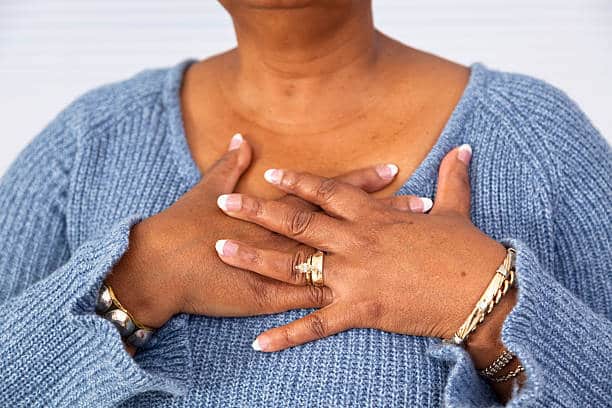
Heart disease is a general term that doctors use to describe issues with the heart that can include heart attacks and heart failure. While a heart attack means that your heart muscles aren’t getting enough blood, heart failure typically means that your heart can’t keep up with providing the amount of blood flow the body needs. Additionally, heart attacks are sudden but heart failure is a progressive condition that worsens over time. The symptoms of these conditions may differ, however, the changes you’ll need to make to stay healthy are pretty similar.
Cardiac rehab is typically recommended for people who have had a heart attack or a significant episode of heart failure. The rehab entails working with a team of doctors, physical therapists, mental health professionals, and nutrition specialists to ensure that you’re on the right road to recovery.
Depending on the cause of your heart disease and your odds of having a second cardiac incident, your doctor might recommend different medications. For example, blood thinners and drugs to lower cholesterol are fairly common. If you’re not used to taking any medication regularly, it would be good to use reminders to keep on track.
RELATED: Suffering From Coronary Artery Disease? Here’s An Option
If you’re doing cardiac rehab, physical activity will be a part of the program. However, there’s nothing stopping you from exercising on your own. Make sure to check in with your doctor about which routines will be best for you given the state of your heart. People who weren’t that active before their diagnosis usually find it easier to start with yoga, short walks, or swimming.
Doctors usually recommend medications first to treat heart disease. In some cases, though, the damage that your heart sustains can’t be corrected without a procedure or surgery. When you’re discussing your treatment options, ask your doctor if you need to prepare for that. Even if it’s not immediate, it’s good to start planning.
A heart-healthy diet will be imperative for reducing your risk of another cardiac event. It’s best to eliminate the foods that are high in fat, salt, or sugar. Processed foods, alcohol, and caffeine are also bad for your heart. Whole grains, fresh fruits, vegetables, lean proteins, and low-fat dairy foods are a good bet. Some people benefit from switching to the Mediterranean Diet or going vegan. If you have any concerns or intolerances, talk to a nutritionist.
Cigarettes have been shown to be bad for your health overall. However, smoking can thicken your blood, decrease the oxygen level in your blood, increase your heart rate, and increase your blood pressure. None of these will lead to a healthy heart so you need to kick the habit quickly.
Sometimes your doctor will prescribe a diuretic so you can keep your fluid retention under control. Even then you might still need to monitor your fluid intake. This monitoring starts with asking your doctor how much fluid you’re allowed to have per day and learning the best way to keep track of it.
You can be doing everything right and still have your heart failure progress or deal with another cardiac event.
To keep on top of things, you need to make note of any changes in your symptoms. If you have another chronic illness such as high blood pressure, keep an eye on that as well.
RELATED: 4 Ways To Live Longer With Heart Disease
Brief periods of stress may only affect your heart for a short time but chronic stress can do permanent damage.
If your life has more of the latter form of stress then you need to develop strategies to help you deal with it. Experts suggest partaking in hobbies that keep you happy and taking part in activities that calm you like breathing exercises.
Maintaining a healthy heart also means having healthy lungs. That means avoiding respiratory illnesses such as the flu.
Keeping your vaccinations up-to-date is a great way to ensure that you don’t fall prey to the flu or pneumonia.
Talk to your doctor about the right vaccination schedule for you.
Being diagnosed with heart disease can be surprising, especially for those who felt healthy. The important thing is that you focus on preventing the progression of the disease while living a healthy life. Not all of the changes will be easy so getting support from friends or loved ones will be helpful.


By subscribing, you consent to receive emails from BlackDoctor.com. You may unsubscribe at any time. Privacy Policy & Terms of Service.