I’m on tonight You know my hips don’t lie (no fighting) And I’m starting to feel it’s right All the attraction, the tension Don’t you see, baby, this is perfection?
– “Hips Don’t Lie” by Shakira
Those lyrics from the popular song by hip-gyrating Spanish singer Shakira, couldn’t be more true. Your hips, in fact, don’t lie about your emotions–Yes, your emotions.
To truly understand the link between the hips and emotions, we first have to look at how the mind and body are truly connected.
When you’re stressed, your emotional and physical health can both suffer. People with trauma or other mental health conditions like anxiety and depression often experience physical symptoms as well.
Through it all, there may just be a common link: the hips.
Of course, each body is different. Where one person holds stress in their body may not be exactly the same for another.
However, neuroscience and somatics point to the hips as a potential storage vessel of emotions. They also offer a window into emotional healing. Here’s how.
To look at how the hips can store emotions, it’s important to first understand their function and anatomy.
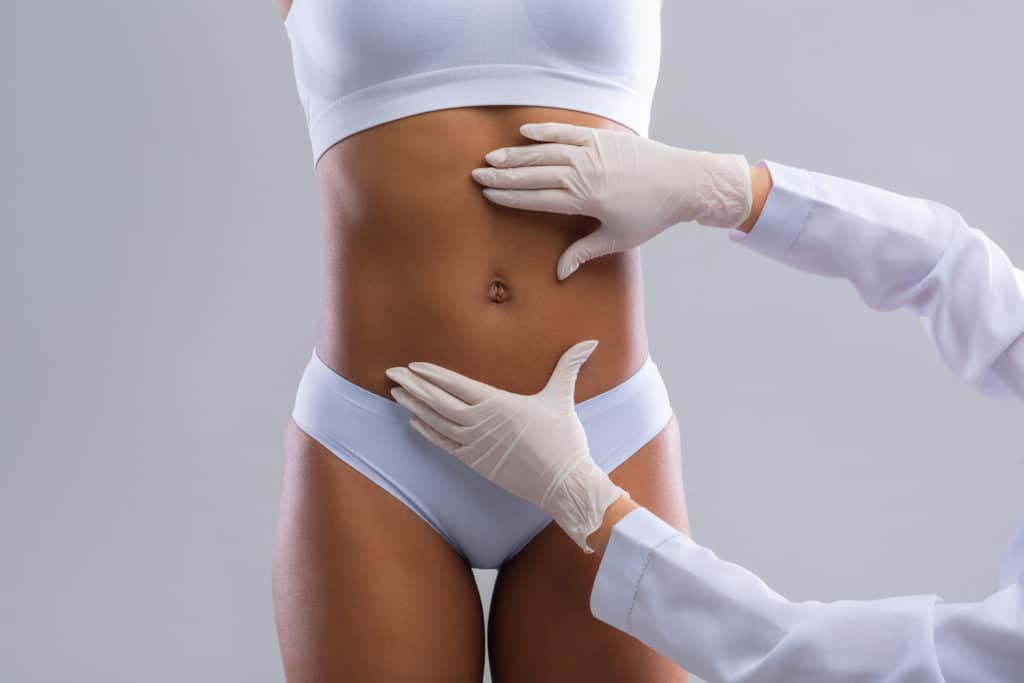
The hip is the area on each side of the pelvis. The joint itself is one of the largest and most unique joints in the human body, responsible for bearing weight, stabilizing the core, and moving the upper leg.
The tighter your hips are, the less mobility your body has. This can result in pain and hinder daily activities like walking and climbing stairs. Tight hips can also cause an anterior tilt of the pelvis which results in poor posture and misalignment of the head and neck.
The hips are also a place where we store relationships of all kinds, argues Simmons. They’re especially linked to our romantic relationships. If you have tight hips you may be more skittish when it comes to falling in love. But we don’t just hold romantic energy in our hips, we hold business relationships there too. Having trouble at work? You may be holding that negative energy in your hips.
Women who have recently gone through pregnancy and birth tend to have tight hips because it’s a place of physical and sometimes emotional trauma, says Simmons. The hips can take a beating during childbirth and as a result, afterwards, they tighten up. If something traumatic happens to you to cause tight hips, you may also be storing that negative energy in your hips.
While the front of the hips indicate a fear of the future, the back of the hips are linked to the past and our inability to let go of it. The back of the hips, which may include a tight lower back and glutes, mean that you may be too focused on the past, according to Simmons.
Think tight hips are the only connection? There’s actually more evidence of a mental health connection with those who have hip surgery.
People with psychiatric illnesses are more likely to have complications after hip replacement surgery, according to a recent analysis.
This added risk is something doctors and patients should discuss in advance, the study team writes in The Journal of Arthroplasty, in 2019.
Previous studies have linked depression and other mental illnesses to greater complications after surgery and worse outcomes for patients, the researchers note.
This goes to show how important the hips are when it comes to how the entire body functions.
The big story within the hips revolves around the iliopsoas muscle — a deep muscle group located toward the front of the inner hip.
The psoas is the deepest support of our core, according to Martha Eddy, a leading somatic educator, author, and founder of Dynamic Embodiment.
“The pelvis is full of our creative, reproductive organs and contains the centrally located psoas muscle that connects the upper and lower body (the breath and diaphragm to the legs) making the core of our body important both physically and emotionally,” Eddy told Self Magazine.
Many types of pain can be linked to a dormant or tight psoas muscle, especially because it stabilizes the spine and affects posture. In this case, your lumbar spine may lose its natural arch by becoming overly flattened or overly curved.
According to a 2021 study, prolonged sitting is one of the main causes of limited hip extension and the associated pain and discomfort.
In fact, poor posture is linked to depression, fatigue, stress, and headaches.


By subscribing, you consent to receive emails from BlackDoctor.com. You may unsubscribe at any time. Privacy Policy & Terms of Service.