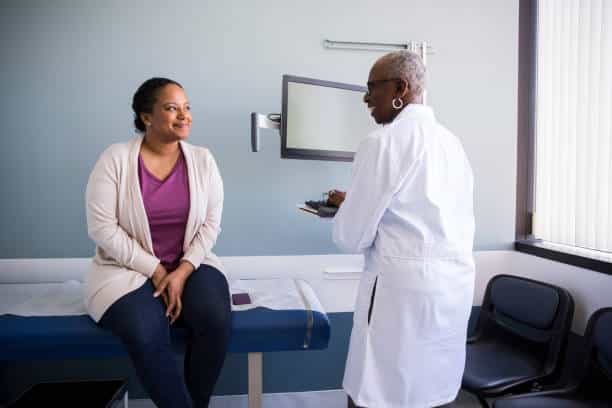
Gynecologists advise women to get pap exams between three and five years after age 30, since the cervical cancer vaccine is available to women up to age 45. For most women, this is a welcome recommendation – all that poking and prodding inside your lady parts can be mentally and physically stressful. But don’t exhale just yet – in fact, alarm bells should be ringing for Black women!
Yes, Black women still should advocate for yearly well-women exams. Why? Because, logistically, and financially we are uniquely qualified to do so if we want to live. Our status in the systemic patriarchy leaves positions us at the very bottom of society, and exposes us to these circumstances:
Many Black people live in poor neighborhoods, no matter their social status. It’s no secret that poor communities are usually located in undesirable areas, like near heavy pollution. In Louisiana, the Petrochemical Corridor is home to Cancer Alley, a cluster of (predominantly poor, Black) Louisiana parishes with higher-than-average cancer diagnoses. In Anniston, Alabama, Black residents have blood concentrations of PCBs so high that they are known as some of the most contaminated people in the world.
Being a Black woman ain’t easy. We are some of the most undervalued and unprotected people in America. Fighting for the right to be heard, equal rights, equal pay, and for our lives in some instances is enough to stress the strongest person into insanity. As Black women, there is usually no one to either listen or lend a helping hand. So what do we do? Swallow our troubles and soldier on. And what does that do? Live in our bodies as stress. Chronic stress, if left unchecked, can lead to a litany of health problems like diabetes, heart disease, and cancer, according to the National Library of Medicine.
Stores that sell predominantly healthy food options usually aren’t located in the low-income neighborhoods where Black people reside. Instead, bargain-priced options like dollar stores or salvage marts are placed on every other street corner.
Being restricted to what’s available and affordable means less fresh fruits and vegetables and more processed foods filled with preservatives. Processed foods may be flavorful and last longer on the shelf, but they are also packed with excess sugars and potential carcinogens, “a substance, organism, or agent that can cause cancer by damaging DNA and producing mutations in cells”. So what we are eating for sustenance in the present can set us up for obesity and a potential cancer diagnosis in the long run.
Let’s say you are fortunate enough to live near a grocery store selling healthy, organic foods. The sticker shock may send you running for the cheaper dollar store prices anyway! The aftershocks of the 2020 Pandemic have introduced an influx of corporate price gouging, from the price of gasoline to chicken wings, and the poorest Americans – are left out in the cold.
Adding to the struggle, single Black mother-led households have only increased over the last 30 years. That means that more households are keeping afloat, albeit barely, with one income per household. So while we could live directly next door to an organic superstore, we can only afford to window shop – or maybe buy a banana.
RELATED: What To Expect From A Pelvic Exam
So, what does that have to do with Black women and a Pelvic exam?
The aforementioned facts may seem like random word soup, but when analyzed together it computes increased cancer risk for a certain population – us.
The average middle-class white woman in America typically does not live near a former or active toxic waste site. She is less likely to face the compounded stress of juggling economic hardship, racial disparities, and societal expectations. She may not need to scrape together money for groceries or rely on convenience stores for her family’s meals. These relative advantages often allow her the flexibility to delay certain health screenings, such as pelvic exams, for a few years without significant concern.
However, for many Black women, these realities are starkly different. Environmental, economic, and systemic health disparities disproportionately affect Black communities, leaving women more vulnerable to health risks. For example, studies show that Black Americans are more likely to live in areas with higher exposure to environmental pollutants and toxic waste, which can exacerbate health disparities. Additionally, financial inequities and limited access to quality healthcare compound these challenges, making preventive care essential.
As a result, prioritizing regular pelvic exams is not just a matter of health maintenance—it is a critical step in advocating for our lives and ensuring early detection of potential issues. Annual pelvic exams are a necessity, not a luxury, for safeguarding our health and well-being.


By subscribing, you consent to receive emails from BlackDoctor.com. You may unsubscribe at any time. Privacy Policy & Terms of Service.