 Veronica Shanklin had a thriving career as a marketing director in Chicago, balancing demanding roles with aspirations of moving into major markets like Atlanta or California. But everything changed in the fall of 2012, when she received an urgent call: her grandmother living in Dallas—“Mama Nell,” aged 82—was in crisis, hospitalized with signs of aggression linked to Alzheimer’s. Within days, Veronica made a life-defining decision—to quit her job in May 2013 and relocate 900 miles to Texas to care for her family. At first, she believed this move would be temporary. However, her mother soon followed her grandmother’s path and was diagnosed with dementia later that same year
The financial strain was immediate. Veronica went from earning a corporate salary to almost nothing, supporting both her mother and grandmother at home because professional caregiving was prohibitively expensive—Medicare doesn’t cover non-medical home care and memory-care facilities cost thousands per month.
. Alongside financial pressure, Veronica endured considerable emotional strain: navigating her mother’s worsening symptoms, her grandmother’s eventual passing in 2017, and her own uncertain future. Still, she persevered. She began freelancing and volunteering, but caregiving remained her full-time occupation.
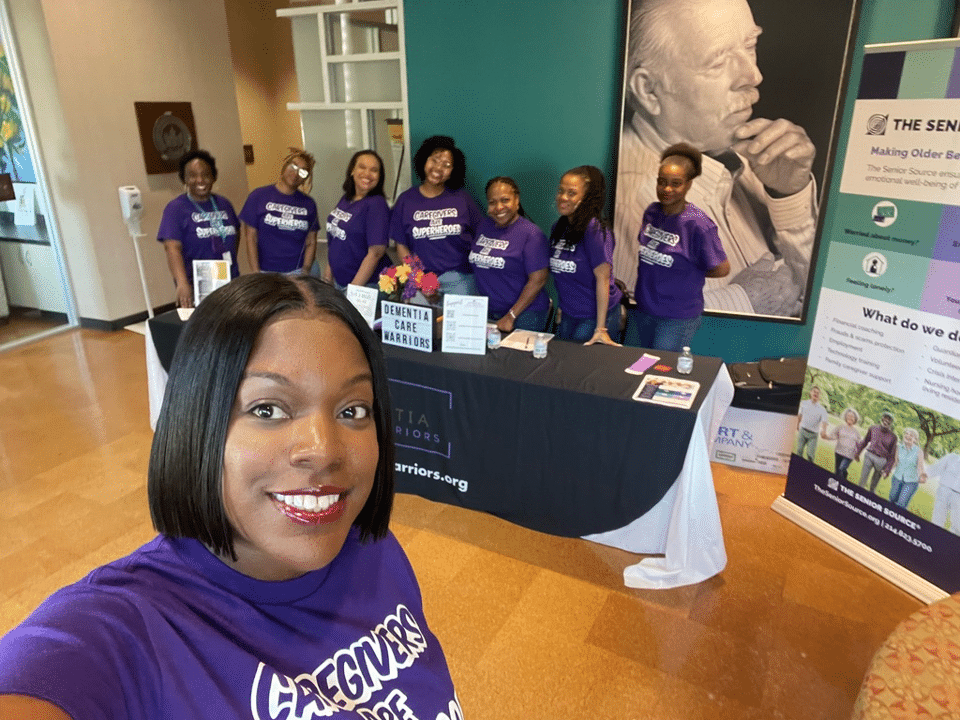
Veronica’s personal journey of sacrifice and perseverance took a public turn when she launched Dementia Care Warriors, a 501(c)(3) nonprofit, in 2019. What began as a personal blog in 2015 transformed into a powerful grassroots organization that fills a critical void—offering support tailored to Black and underserved dementia caregivers. The organization provides respite scholarships, education, advocacy, and community-building events like the “Revive Refresh Caregiver Brunch and Workshop,” described by Veronica as a “party with a purpose” complete with a live DJ, expert sessions, and a supportive communal atmosphere.
Through her advocacy, Veronica has met with lawmakers in both Texas and Washington, D.C., arguing for more dementia research funding and public awareness. The organization continues to expand its impact—providing boots-on-the-ground care resource access in Dallas, Tarrant, and Ellis counties—and garnering attention from major media outlets including O Magazine, Ebony, and The Dallas Morning News.
While Veronica fights for caregivers, the burden she champions reflects a far wider issue: Black Americans face a significantly higher incidence of Alzheimer’s and dementia, and they experience deeper barriers to diagnosis and care.
According to multiple studies, older African Americans are roughly twice as likely to develop Alzheimer’s or related dementias than older non-Hispanic white individuals. For Black adults over age 70, the Alzheimer’s prevalence is around 21.3%—far above the national average. This elevated risk stems from a web of socioeconomic, health, and environmental factors often termed “weathering”—a composite of chronic stress from discrimination, lower-quality education, and limited healthcare access that accelerates aging and cognitive decline among African Americans.
1. Health Conditions & Chronic Diseases
Black Americans have higher rates of cardiovascular disease, hypertension, diabetes, and obesity—all recognized risk factors for dementia. After adjusting for socioeconomic and health factors, some disparity gaps diminish, underscoring the influence of modifiable conditions on dementia risk.
2. Socioeconomic Factors & Education
Lower access to quality education impairs cognitive resilience against neurodegenerative diseases. Lack of early detection, stemming from limited healthcare access, also delays diagnosis and treatment among Black caregivers and patients.
3. Discrimination & Medical Bias
Only 20% of Black Americans report having no barriers to excellent dementia care, and half recount discrimination during Alzheimer’s care. Underrepresentation in clinical trials (only ~5% African American participation) means new treatments like Leqembi and donanemab may not be as readily available or effective for Black patients.
4. Complex Neuropathology
Research shows up to 71% of Black Alzheimer’s patients exhibit multiple pathologies—plaques, tangles, Lewy bodies, infarcts—compared with about 50% in whites. This complexity may reduce the effectiveness of treatments targeting only one disease pathway
Experts recommend a multi-pronged response:
Veronica’s story—stepping away from a high-powered marketing career to become a full-time caregiver—crystallizes the personal cost and societal need behind caregiver advocacy. Her vision for Dementia Care Warriors is a tangible solution to the resource deserts that Black caregivers so often face. As a patient, dependable, and witty leader, she blends compassion with activism.
Her keynote event series—complete with music, celebration, and expert guidance—is more than symbolic; it’s a prototype for empowering grief-laden caregivers to press forward. Her legislative advocacy helps place dementia equity on the policymaking agenda.
Learn more about Dementia Care Warriors and how you can support dementia family caregivers at dementiacarewarriors.org


By subscribing, you consent to receive emails from BlackDoctor.com. You may unsubscribe at any time. Privacy Policy & Terms of Service.