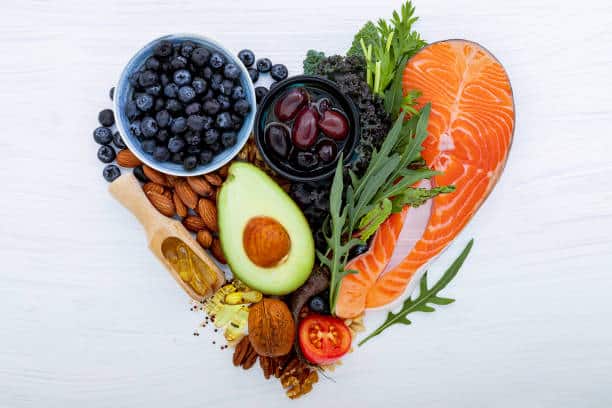
Keeping your heart healthy has numerous benefits, including a reduced risk for coronary heart disease, stroke, heart attack and even dementia.
Eating healthy foods is one big step you can take to protect your heart, but most folks wait too long to change what they eat.
“Many people ignore their diet until they develop cardiovascular symptoms later in life. Adopting a heart-healthy diet when you are young can help you live longer and healthier,” Loyola University Medical Center cardiologist Khaled Dajani said in a recent blog post.
In its Dietary Guidance Scientific Statement, the American Heart Association (AHA) recommends eating foods from the Mediterranean, Healthy US-Style and DASH (Dietary Approaches to Stop Hypertension) diets for heart health. These include:
Let’s take a look at five of the best foods for heart health from these categories, and how to easily add them to your diet.
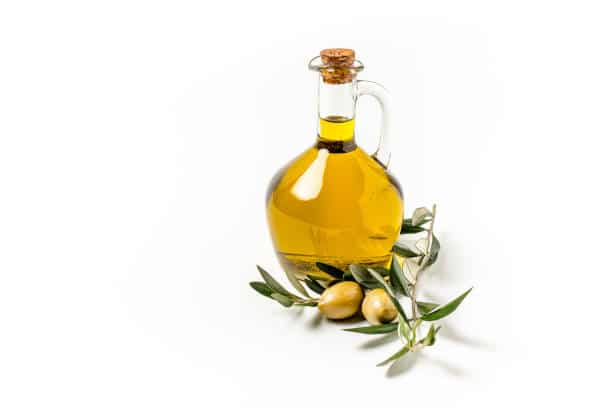
Olive oil contains the highest percentage of monounsaturated fat, which is great for your heart, according to the AHA. It helps lower LDL (“bad”) cholesterol and raises HDL (“good”) cholesterol. You’ll want to keep portions between 1 to 3 tablespoons a day, as olive oil is high in fat.
Ways to enjoy olive oil:
RELATED: 10 Superfoods To Ward Off Heart Disease
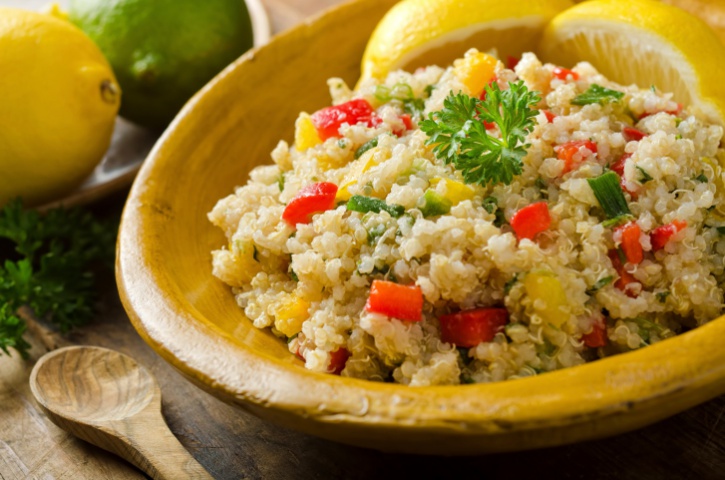
Quinoa is a fiber-rich, gluten-free grain from South America that contains antioxidants and all nine essential amino acids, according to the U.S. National Institutes of Health (NIH).
Antioxidants and amino acids help protect and repair cells and reduce the risk of disease. Plus, fiber may lower cholesterol and blood pressure, states Harvard Health.
One meta-analysis of studies published recently in the Phytotherapy Research Journals showed that eating quinoa lowered people’s body weight, LDL levels, and several other key cardiovascular disease risk factors. The AHA recommends eating at least three servings of whole grains like quinoa per day.
Ways to enjoy quinoa:
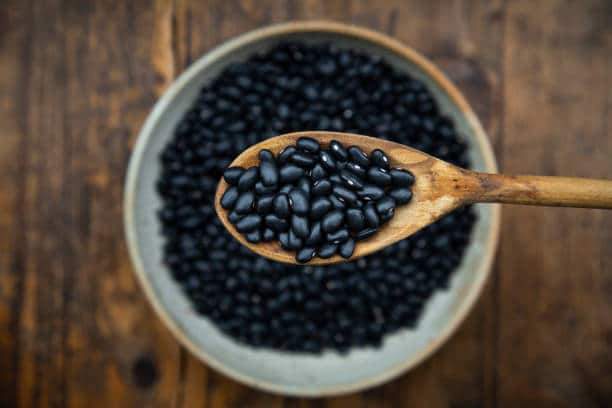
Black beans are high in fiber, which helps your body maintain healthy cholesterol levels and reduces your risk of heart disease, according to the U.S. Centers for Disease Control and Prevention.
They are also nutritionally dense and high in protein, which is why they’re sometimes referred to as a “superfood.” The U.S. Department of Agriculture (USDA) recommends eating about 1 to 3 cups of beans per week. Lower salt varieties can be especially beneficial for heart health.
Ways to enjoy black beans:

Walnuts contain an abundance of alpha-linolenic acid, which is converted into certain types of omega-3 fatty acids in the body, according to Harvard Health. Omega-3 fatty acids help protect your heart health in a number of ways, including lowering triglyceride fats in your body.
In addition, a study published recently in the Journal of the American College of Cardiology found that eating walnuts regularly for two years reduced a key inflammatory marker that’s associated with coronary heart disease. Since walnuts are high in calories, try to limit your portion size to less than one cup per week.
Ways to enjoy walnuts:
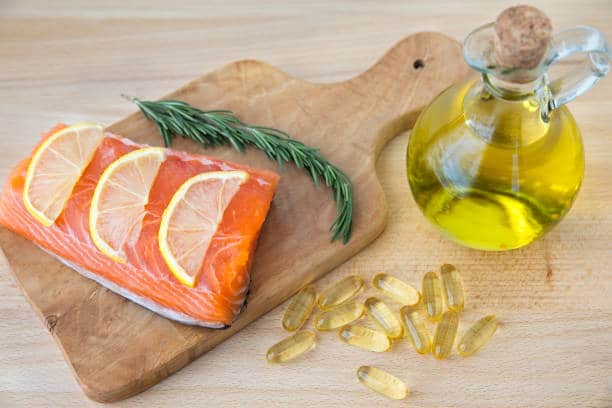
Salmon not only contains heart-healthy omega-3 fatty acids, but this pink fish also has plenty of vitamin B6, which helps keep an amino acid called homocysteine in balance for optimal heart health.
Salmon is also low in saturated fat, and the AHA recommends eating two (3-ounce) servings per week to help lower your risk for cardiovascular disease and stroke.
Ways to enjoy salmon:
To help keep your heart healthy, Dajani emphasizes that correct portion size is also very important. “Even when you eat healthy foods, it’s important not to overeat,” he shares. “Knowing what and how much to eat is a skill everyone should learn.”
You can find out more about the best foods for heart health in the 2020-2025 USDA Dietary Guidelines for Americans.


By subscribing, you consent to receive emails from BlackDoctor.com. You may unsubscribe at any time. Privacy Policy & Terms of Service.