Maintaining a healthy weight can be the key to keeping many chronic illnesses at bay. Since being overweight has been linked to different health issues, it’s not surprising that doctors often recommend losing weight to stay healthy. However, depending on how quickly you lose weight and how much you lose, you may have something else to tackle: loose skin. As you learn more about your new body, choosing comfort can mean something different.
The answer to what causes loose skin may be found in how its three layers respond to gaining and losing weight. The top layer, or epidermis, provides protection and skin color. It also makes new skin cells. Below that, you’ll find the dermis, which makes collagen and elastin. These proteins keep the skin strong and contribute to its elasticity. The third layer is the hypodermis, which contains fat, connective tissue, nerves, and blood vessels.
While collagen and elastin give your skin the ability to stretch when you gain weight, it has its limits. When subcutaneous fat in the hypodermis increases to an unhealthy level, your skin may stretch to the point where it can’t return to its original dimensions. In this case, you start to have loose skin. As you lose weight, the excess skin remains. Additionally, the amount of collagen your body produces falls as you age. Therefore, older people may have a higher risk of having loose skin after weight loss.
Other factors that may lead to loose skin include your genetics, how quickly you lose weight, the percentage of your total body weight that you lost, and how long you were overweight.
RELATED: How To Prep Your Home For Maximum Weight Loss
If you don’t have a significant amount of loose skin or you’ve just started your weight loss journey, you may try some natural ways of tightening your skin. One option is taking collagen supplements. Although more research is necessary regarding people with loose skin, one randomized study suggested that collagen can help to tighten skin.
You may also tighten your skin by focusing on strength and resistance training at least twice per week. These exercises are generally great for toning. Of course, there is no current research to support that it will make a significant difference with loose skin, but it can’t hurt to stay active.
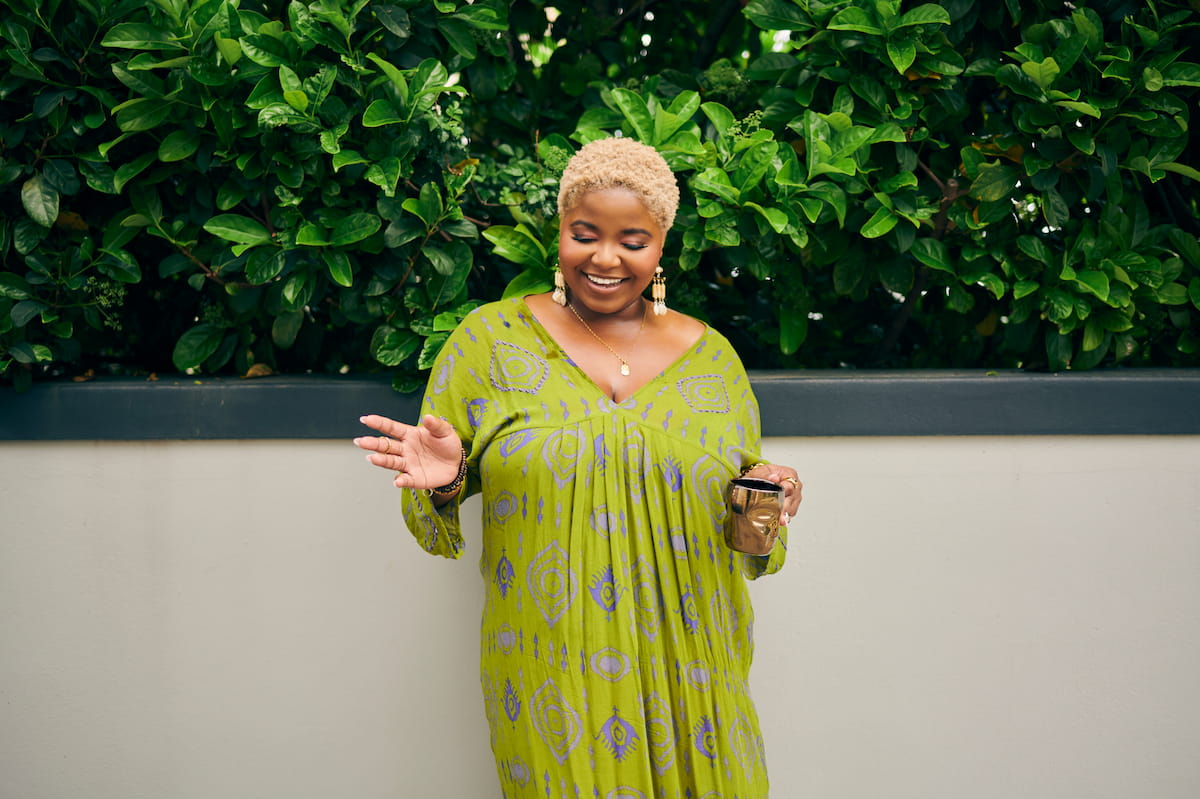
Loose skin after weight loss can lead to poor self-image–especially if you’re not wearing clothes that fit your current body. If you have loose skin in certain areas, such as your stomach and thighs, you’re also at risk of trapping sweat that can result in odor and skin infections. That’s why the first place to start when looking for clothes is the type of material. Breathable materials that don’t cling to your skin can reduce your likelihood of sweating excessively, and they won’t highlight loose skin. Linen and linen-cotton blends are usually good options.
The cut of the clothes is the next thing to consider. You can try tops that skim the midsection and stop at the hip or upper thigh. The ideal top should have interesting details elsewhere, like a scooped neckline or tiers, to draw the eye away from your stomach. While you may be interested in empire-waisted styles, these don’t usually suit someone who’s dressing to accommodate excess skin. That’s because they still emphasize the stomach region.
When it comes to excess skin on the arms, consider tops with wide arms and longer sleeves. If the weather allows, you can also comfortably layer without adding bulk by using lightweight clothing. Start with a hip-length top that you can layer with a vest or an open jacket. Puffer vests can also work if you’re adding them to a lightweight, long-sleeved top.
For pants, you should try out wide-leg pants with comfortable elastic waistbands. These pants should only skim your thighs, ending before your ankles. If they’re too long, you may look as if you’re getting lost in them. When paired with a more structured top, you typically find the best fit. If you’re comfortable in skirts, consider applying a similar rule while wearing breathable shapewear.
Finally, the color of your clothing can help you look fashionable. Darker and neutral tones can help you to look taller and leaner. You also have to be careful with how you blend your colors. Pairing a neutral top with a bright bottom can cut you off, making you appear stockier. It’s better to combine complementary tones, colors that are only slightly different hues, or the same color with a purpose.
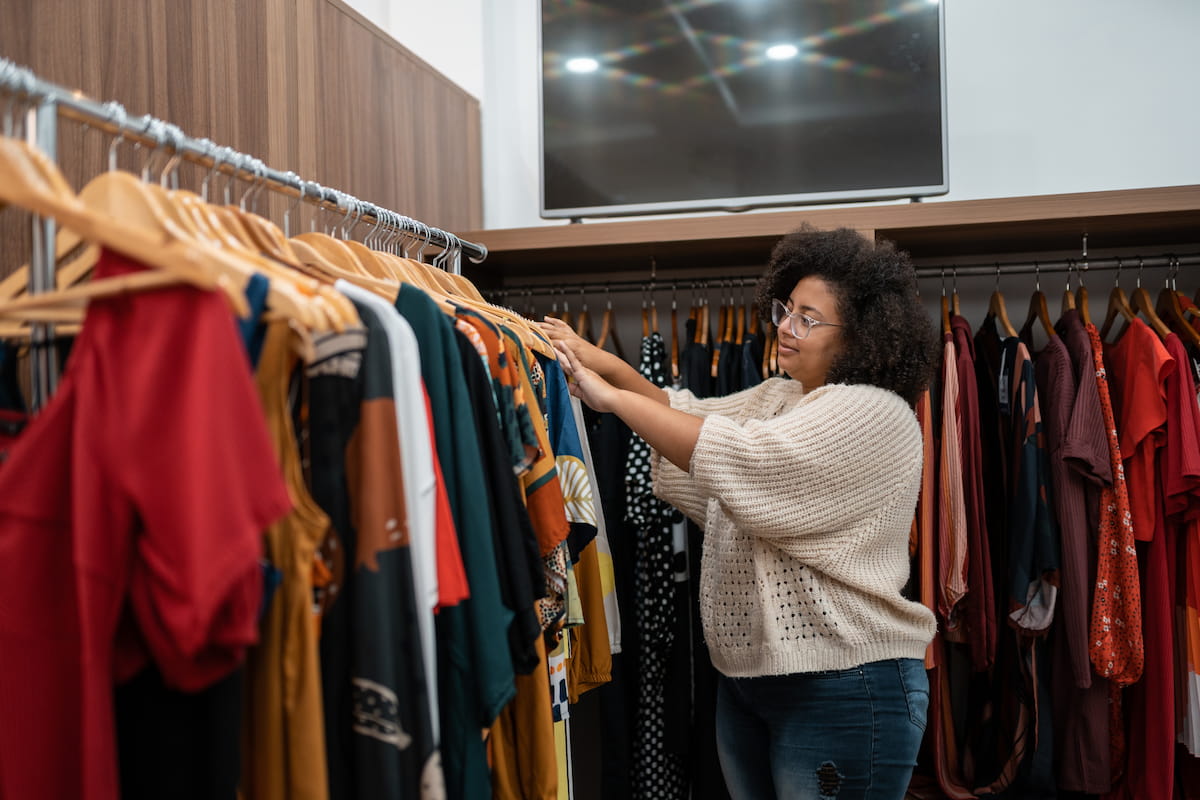
Regardless of the styles and colors you choose, you should take the time to try on all your clothes. This is the only way to confirm what works for your body. While you’re building your wardrobe, it’s important to learn what makes you comfortable. You can start with the clothing you already have to build the basics. If articles can be altered to suit your body, that may reduce how much you have to spend. Shopping at a secondhand store is another great option.
Sometimes, loose skin affects more than how you dress. It can impact your physical and mental health. Some people who deal with loose skin may deal with persistent discomfort and are so self-conscious that they don’t want to leave the house. The prevalence of these feelings led to the development of body sculpting procedures decades ago. According to statistics from the American Society of Plastic Surgeons, lower body sculpting increased by three percent in 2024. Abdominoplasty was also among the top five plastic surgery procedures performed that year.
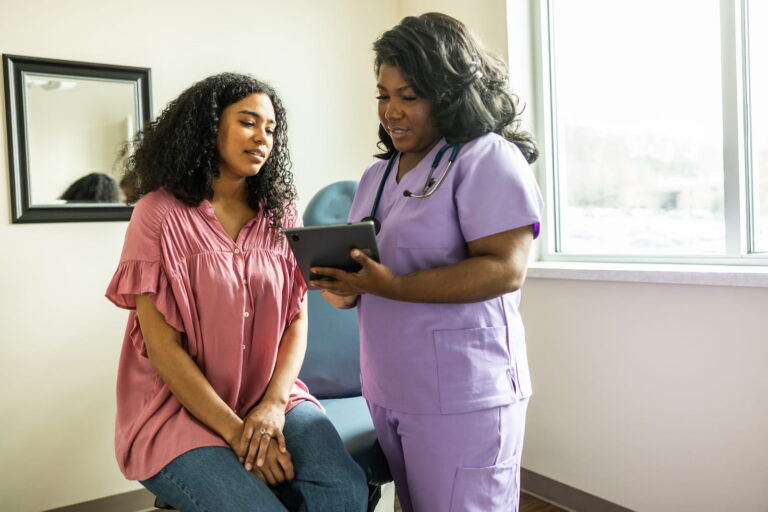
Of course, if you’re interested in body sculpting, the first place to start is with your doctor. They can let you know if you’re a good candidate for the procedure. While the criteria may vary, some of the factors they can look for are if you’re in good health to undergo an invasive procedure, if you have hit your goal weight and have been able to maintain it for at least six months, if you understand that you’ll have permanent scars, if you have realistic expectations of the procedure, and if you’re able to take at least six weeks to recover from surgery.
When discussing body sculpting, you should ask your doctor for recommendations for a plastic surgeon. You can also ask close friends or search online databases for certified plastic surgeons, like the American Board of Cosmetic Surgery. Meeting with a surgeon will give you more insight into what you may need, as the decision depends on where you have loose skin.
Some options include the lower body lift, which tightens tissues on the abdomen, buttocks, and thighs, the panniculectomy removes the apron of skin that can hang over the stomach, the thigh and buttock lift, which removes excess skin and fat, the arm lift, which removes loose skin and excess fat from the underside of the upper arm, the back lift, which often combines liposuction and skin removal to reduce typical “bra rolls”, and breast lift surgery, which removes excess skin and reshapes the breast.
During your consultation, your surgeon will guide you on which procedures are the best fit for you and what to expect. You’ll also discuss the potential risks of having the surgery. Although the specifics can vary, some possible issues are blood clots, including clots in the leg veins that may travel to your lungs, trouble with your wounds healing, developing an infection, heavy bleeding, nerve damage, problems with anesthesia, or persistent pain.
Many Americans pursue weight loss to be healthier. Depending on how they lost weight, though, they may also have to deal with loose skin. If this is happening to you, it’s a good idea to learn how to comfortably dress your current body. Even if you’re a good candidate for body sculpting, some surgeons may ask you to wait a little longer before the procedure. While you wait, you can still be happily fashionable.



By subscribing, you consent to receive emails from BlackDoctor.com. You may unsubscribe at any time. Privacy Policy & Terms of Service.
Enter your name and email to receive the download link.