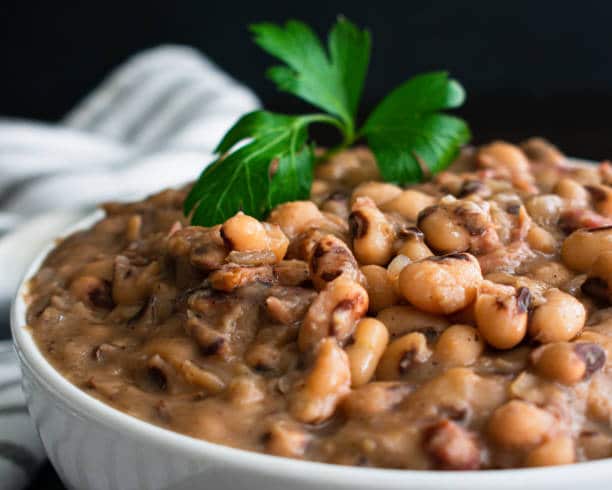
Do you know why Black people believe it’s good luck to eat black-eyed peas on New Year’s Day? As with most traditions, there’s a rich origin to the practice.
Most Southerners will tell you that the act dates back to the Civil War. Black-eyed peas were considered food for cattle (like purple hull peas). The peas were not even worthy of Union soldiers.
According to tripsavvy.com, when Union soldiers raided the Confederates’ food supplies, legend says they took everything except the peas and salted pork. The Confederates considered themselves lucky to be left with those meager supplies and survived the winter. Peas became symbolic of luck.
Black-eyed peas were also given to slaves, as were most other traditional New Year’s foods. One explanation of the superstition says that black-eyed peas were all Southern slaves had to celebrate with on the first day of January 1863, aka, the effects of the Emancipation Proclamation.
With that being said, even as we head into 2025, the tradition is still upheld for many reasons besides its whimsical reasons. The veggie is great for our health, and if you’re wondering are black eyed peas good for you, the answer is definitely yes.
Finding alternate sources of protein is not a hassle. One cup of black-eyed peas contains 13 grams of protein. This is essential for muscle building and the body’s daily functioning.
Black-eyed peas are a great source of fiber. A one-cup serving of black-eyed peas contains 11 grams of dietary fiber.
The daily recommended dietary fiber intake for men and women is 38 grams and 25 grams, respectively. Dietary fiber can help prevent constipation, making one’s bowel movements more regular.
RELATED: 5 Amazing Reasons Why Your Body Needs More Black-Eyed Peas
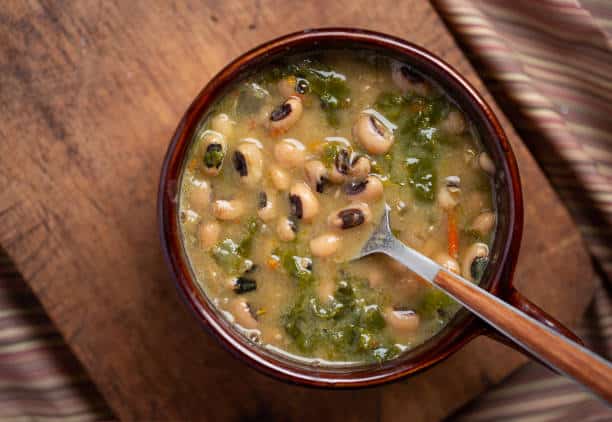
Vitamins, such as folate, play an important role in the regulation of specific amino acids that the nervous system requires.
Studies have shown that a deficient amount of dietary folate can increase the homocysteine levels, which can be a dangerous precursor to neurodegenerative diseases like Alzheimer’s disease and Parkinson’s disease.
One cup of black-eyed peas contains 89 percent of the recommended value of folate. Also, one cup of black-eyed peas contains 23 percent of thiamin. Thiamin ensures smooth functioning of the brain and helps improve memory and concentration. Thiamin also helps relieve stress and strengthen the nerves.
Black-Eyed Peas are a good source of Vitamin B-complex, such as folate or folic acid. Folate has been shown to help in neural tube formation and red blood cell formation in prenatal babies.
A deficiency of folic acid in pregnant women can lead to the birth of underweight infants and may also result in neural tube defects in newborns.
The glycemic index (GI) ranks food and drinks based on their increase blood sugar. Foods high on the glycemic index (such as white rice and white bread) will break down easily and cause blood sugar and insulin level spikes after meals, which is followed by rapidly dropping blood sugar levels. Black-eyed peas are slowly absorbed into the bloodstream, which prevents sugar crashes, sugar cravings, and mood swings.

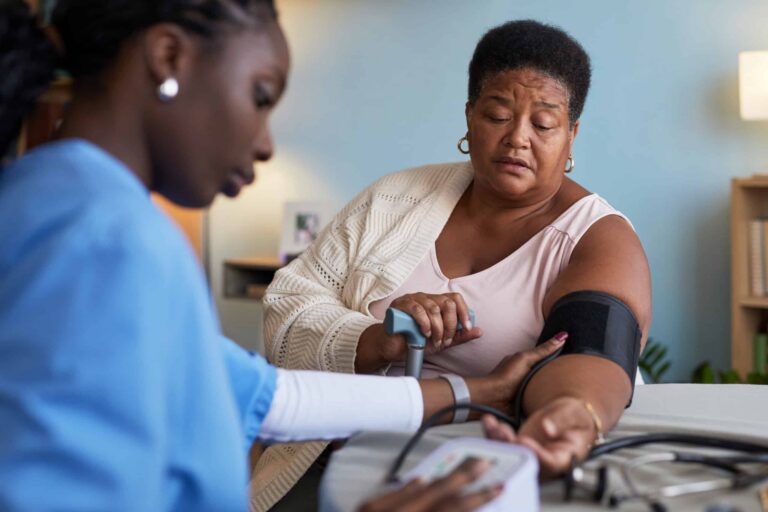
Black-Eyed Peas are high in potassium and low in sodium, which lowers blood pressure, especially for those with hypertension.
Also, the fiber content in black-eyed peas is helpful in lowering cholesterol and improving the performance of insulin in the body, which aids in the lowering of blood pressure. One cup of black-eyed peas contains 478 milligrams of potassium compared to 6.9 milligrams of sodium.
Copper and iron are essential for new blood cell formation. One cup of black-eyed peas contains 24 percent of the recommended value for both iron and copper. An iron deficiency can lead to anemia.

Jasmine Browley holds an MA in journalism from Columbia College Chicago, and has contributed to Ebony, Jet and MADE Magazine among others. So, clearly, she knows some stuff. Follow her digital journey @JasmineBrowley.


By subscribing, you consent to receive emails from BlackDoctor.com. You may unsubscribe at any time. Privacy Policy & Terms of Service.