Erectile dysfunction (ED) and hair loss are two health issues that affect a large portion of the population, particularly as people age. While these conditions are often discussed independently, emerging research suggests that there may be underlying factors linking the two. This article delves into the potential connections between ED and hair loss, examining the roles of hormones, lifestyle, and other physiological factors.
1. Understanding Erectile Dysfunction and Hair Loss
Erectile Dysfunction is the inability to achieve or maintain an erection suitable for sexual activity. ED is primarily associated with cardiovascular issues, lifestyle factors, psychological health, and hormonal imbalances, affecting nearly 30 million men in the United States alone.
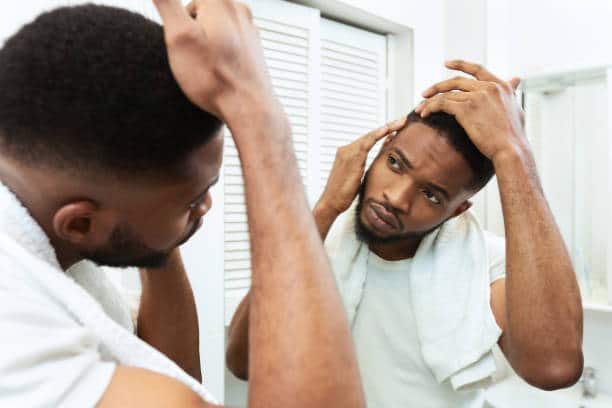
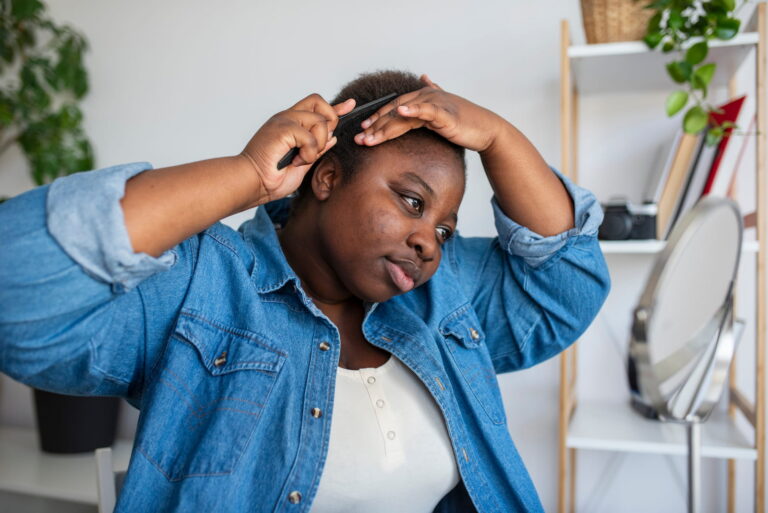
Hair Loss, also known as androgenetic alopecia (pattern baldness), is a common condition affecting both men and women. Hair loss can result from genetics, hormonal changes, and age. In men, the process is often connected to levels of dihydrotestosterone (DHT), a hormone that affects hair follicles.
Featured on BlackDoctor
2. Hormonal Connections Between ED and Hair Loss
One of the primary links between ED and hair loss involves hormonal imbalances, particularly those related to testosterone and DHT.
Testosterone and DHT: Testosterone is an essential male sex hormone, responsible for several functions, including libido, muscle growth, and hair growth. When testosterone is converted into DHT by the enzyme 5-alpha reductase, it impacts both sexual health and hair follicles. Elevated DHT levels are a primary cause of hair follicle shrinkage, which leads to hair loss, particularly in male pattern baldness.
Impact on Erectile Function: High levels of DHT and low levels of testosterone can negatively affect erectile function, as testosterone is crucial for maintaining libido and blood flow to the penile tissues. When testosterone is significantly lowered (due to lifestyle, medications, or health conditions), it can lead to both ED and hair loss.
3. Medications That Link ED and Hair Loss
Medications prescribed for one condition may impact the other, revealing a significant link between ED and hair loss.
Finasteride and Dutasteride: These drugs are commonly prescribed to treat hair loss by blocking the conversion of testosterone to DHT. However, they have been associated with side effects related to sexual function, including decreased libido and ED.
Testosterone Replacement Therapy (TRT): In cases of low testosterone, some men undergo TRT to address ED. However, an increase in testosterone can also accelerate DHT production, potentially worsening hair loss. This trade-off illustrates the complex relationship between hormone levels and these two conditions.
4. Lifestyle Factors Contributing to Both Conditions
Several lifestyle factors that contribute to ED and hair loss are often interlinked. Understanding these can highlight preventative steps and treatment options:
Stress and Mental Health: Chronic stress raises cortisol levels, which can inhibit testosterone production. Stress is a well-known cause of hair loss, specifically in conditions like telogen effluvium, and can also be a significant contributor to ED due to its impact on blood flow and hormone levels.
Diet and Exercise: Poor diet and lack of exercise can exacerbate both conditions. Nutritional deficiencies impact hair health and hormonal balance, while obesity is a significant risk factor for ED, as it can reduce testosterone levels and increase inflammation.
Smoking and Alcohol Consumption: Smoking is a risk factor for both ED and hair loss, as it constricts blood vessels and reduces blood flow, affecting both hair follicles and erectile function. Excessive alcohol, similarly, can negatively impact testosterone levels, worsening ED and hair loss over time.
5. Genetics and Age: Natural Connections
Both ED and hair loss are strongly correlated with age and genetics. For instance:
Age-Related Decline in Testosterone: As men age, testosterone levels naturally decrease, often resulting in lower libido and erectile function. This hormonal change is also related to increased hair thinning or loss.
Genetic Predisposition: Many men inherit a predisposition to hair loss, ED, or both. Genetic factors can determine how an individual responds to changes in hormones, lifestyle factors, and aging, impacting the likelihood of experiencing either or both conditions.
6. Treatment Approaches for ED and Hair Loss
For individuals experiencing both ED and hair loss, treatment options need to be tailored to address the balance between managing hair loss and maintaining sexual health.
Medication Management: For individuals on finasteride or dutasteride for hair loss, low-dose options or alternative therapies may be considered to mitigate ED side effects. Consulting with a healthcare provider about the benefits and risks of medications is essential for those with concerns about both conditions.
Hormone Therapy and Supplements: Balancing testosterone levels through lifestyle changes or hormone therapy can help, but it’s crucial to approach these treatments carefully, as they can impact both hair growth and sexual health.
Lifestyle Modifications: Adopting a healthy diet, exercising regularly, reducing stress, and avoiding smoking and heavy alcohol use can positively affect both hair health and sexual function. Supplements that support hair health, such as biotin, vitamins A and E, and omega-3 fatty acids, can be beneficial for those experiencing hair thinning.
7. The Psychological Impact and Seeking Support
ED and hair loss can both lead to significant psychological impacts, affecting confidence, mental health, and quality of life. The stigma around both conditions often discourages men from seeking help, but addressing the psychological aspects is essential for well-being.
Therapeutic Interventions: Cognitive behavioral therapy (CBT) or counseling can provide support, particularly when stress or anxiety exacerbates these conditions.
Support Networks: Joining support groups or seeking therapy can be beneficial, allowing individuals to share experiences and coping strategies, which can positively impact self-esteem and mental health.
8. The Bottom Line: Recognizing and Addressing the Connection
The link between ED and hair loss is multifaceted, involving hormonal imbalances, medication side effects, lifestyle factors, and genetic predispositions. While research continues to explore these connections, understanding the shared influences on these conditions can help individuals make informed decisions. By addressing lifestyle changes, carefully considering medication options, and seeking both medical and psychological support, individuals can work towards improving both their sexual health and hair vitality.
BlackDoctor is the world’s largest and most comprehensive online health resource specifically for the Black community. BlackDoctor understands that the uniqueness of Black culture - our heritage and our traditions - plays a role in our health. BlackDoctor gives you access to innovative new approaches to the health information you need in everyday language so you can break through the disparities, gain control and live your life to its fullest.
✦ AI Search Disclaimer This AI-powered search tool helps you find relevant health articles from the BlackDoctor.org archive. Please keep the following in mind:
✦ For Informational Purposes Only The information provided through this AI search is for general educational and informational purposes only. It is not intended as a substitute for professional medical advice, diagnosis, or treatment.
✦ Always Consult a Healthcare Provider Never disregard professional medical advice or delay seeking it because of something you have read through this search tool. If you have a medical emergency, call your doctor or 911 immediately.
✦ AI Limitations This search tool uses artificial intelligence to help match your queries with articles in our archive. While we strive for accuracy, AI-generated results may occasionally be incomplete, outdated, or not fully relevant to your specific situation.
✦ No Doctor-Patient Relationship Using this search tool does not create a doctor-patient relationship between you and BlackDoctor.org or any healthcare provider.
Explore over 35,000 articles and videos across black health, wellness, lifestyle and culture