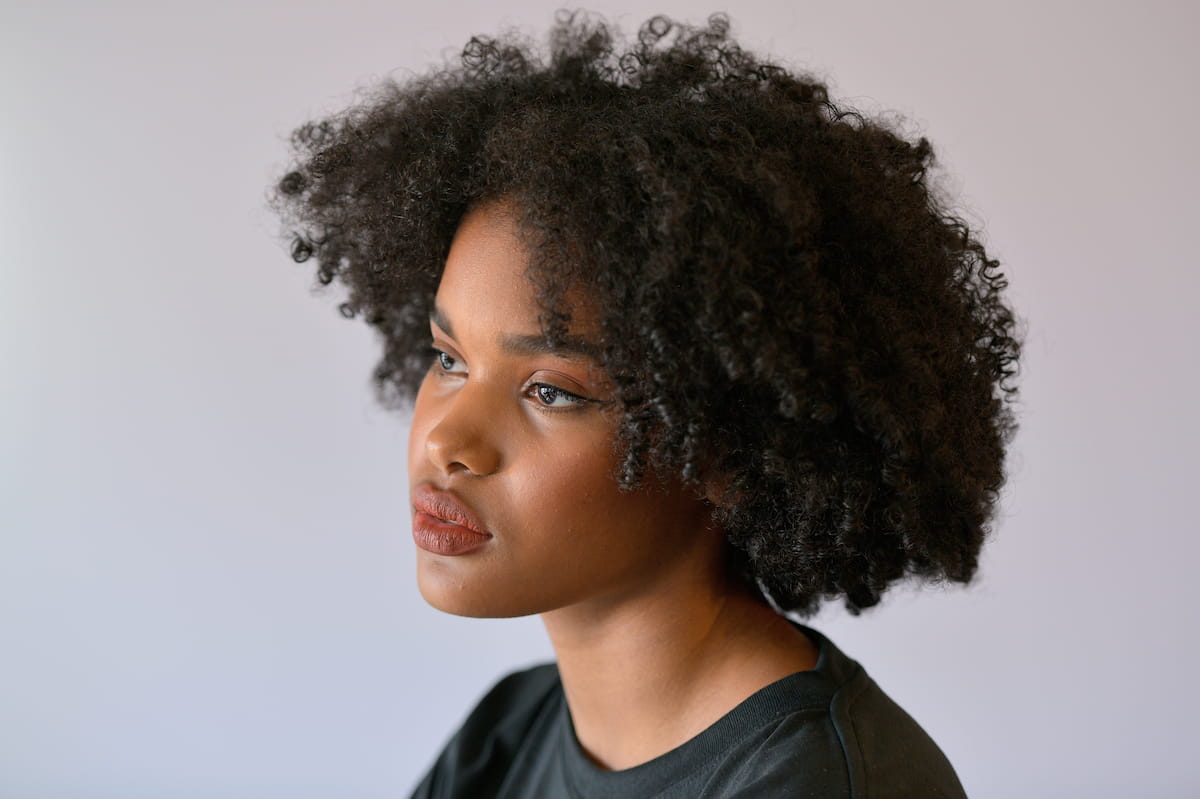
Are you wondering if your hair has low porosity?
“Porosity” is a buzzword in the natural hair community, but what does it mean?
According to the Pivot Point Salon Fundamentals Cosmetology Textbook, “porosity is the hair’s ability to absorb moisture, liquids or chemicals.”
So if the hair shows signs of low porosity, it usually means your cuticle has a hard time lifting. That means it’s hard for your hair to absorb products.
To understand low porosity hair, you have to look past what’s visible to the naked eye. Each strand of hair is composed of thousands of overlapping dead cells known as the cuticle layer.
Porosity is essentially a measurement of the “open space” between these cells. While high porosity hair has many gaps and medium porosity hair has a moderate amount, low porosity hair is defined by a tightly bound, compact structure.
According to experts like Washington, low porosity hair functions differently due to its unique physical makeup:
Flat Cuticle Scales: The cuticle scales are smooth and lay extremely flat against the hair shaft.
Minimal Gaps: Because there are very few openings between these overlapping cells, it acts as a nearly “waterproof” barrier.
Resistance to Moisture: This tight seal makes it difficult for water and moisturizing products to penetrate the deeper layers of the hair.
Moisture Retention: While it is hard to get moisture in, once it is there, the flat cuticles make it equally difficult for that moisture to escape.
Because low porosity hair is less absorbent, it is often described as “stubborn.” If you’ve ever noticed water beads sitting on top of your hair instead of soaking in, or if products tend to sit on the surface rather than disappearing into the strand, you are likely dealing with low porosity. This structural trait can make the hair significantly more difficult to moisturize and style effectively without the right techniques.
RELATED: How To Keep Your Hair Fabulous When You Have Hard Water
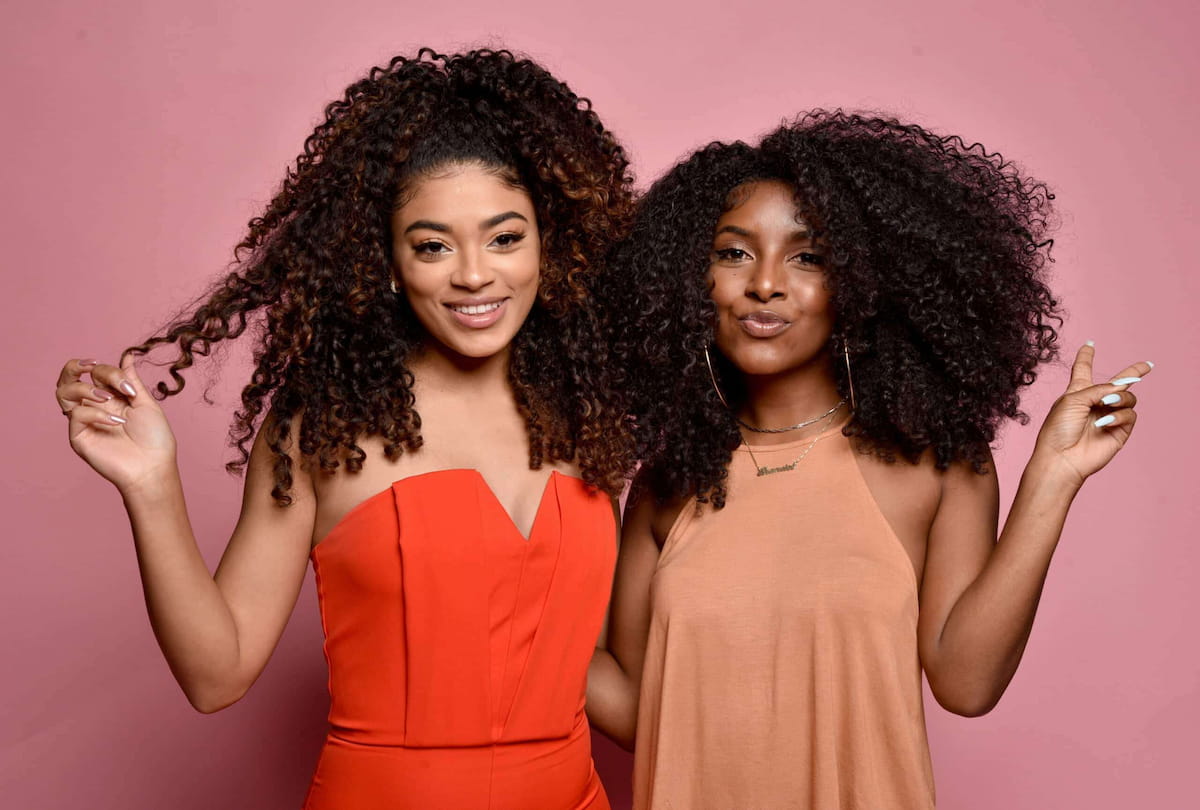
But what if I told you that several people have hair that resembles having low porosity, but it isn’t?
Say WHAT?
There are many women whose hair shows signs of not absorbing products, and it’s all because they simply have not thoroughly cleansed their hair.
That’s right. Hair that has not been properly cleansed with a shampoo containing surfactants is likely to collect tons of buildup, which leads to the hair being unable to accept/absorb the product.
What is the cause of this buildup?
Buildup on the hair comes from the use of heavy oils and butters, hard water, and using products made up of silicones that are not water-soluble.
When the hair is not thoroughly cleansed, the cuticle is unable to lift, and the hair isn’t able to get the hydration/moisture it needs from water.
First things first, EVERY natural needs to buy herself a clarifying shampoo.
Clarifying shampoos contain strong surfactants that can remove dirt, oil and buildup.
Now, if you’ve been using lots of heavy oils and butters, it may take several shampoo sessions to get all that gunk out of your hair. Using too many oils like coconut or castor and butters like shea butter may take time to get out.
Kinky Curly Come Clean (KCCC) is a favorite among participants in the #30dayhairdetox in removing dirt, oil and buildup.
I’ve seen several women who use oils in their haircare regimen. Let me tell you, there are times when that oil is super difficult to cleanse from the hair.
With that being said, it’s very important to note that there is a chance that not all of the buildup will be totally removed on the first clarifying session.
Determining porosity is not that difficult. Here are some things to take note of:
Since low porosity hair is naturally resistant to moisture, the goal is to “unlock” the cuticle and use products that won’t just sit on the surface.
Because the cuticle scales are so tightly bound, they often need a physical nudge to open up.
Warm Water: Always wash your hair with warm water. This helps lift the cuticles slightly so the shampoo can cleanse and the conditioner can enter.
Steam Treatments: Use a hair steamer or sit in a steamy bathroom during your deep conditioning session. The vapor molecules penetrate more easily than liquid water.
Thermal Caps: After applying a hair mask, cover your hair with a shower cap and a warm towel for 15–20 minutes.
Think of your hair as a sponge with very tiny holes—you want “thin” liquids that can slip inside, not thick pastes that clog the entrance.
Water-Based Products: Look for leave-in conditioners where water is the first ingredient.
Humectants: These pull moisture from the air into your hair. Look for glycerin, honey, aloe vera, and hyaluronic acid.
The L.C.O. Method: For styling, apply a Liquid (water-based leave-in), then a Cream (lightweight), and seal it with a tiny amount of Oil.
Low porosity hair is prone to “filming,” where old products coat the hair and block new moisture.
Clarify Regularly: Use a clarifying shampoo once or twice a month to strip away old oils and silicones.
Avoid Over-Conditioning: Don’t let heavy conditioners sit for hours; 15–30 minutes with heat is the limit for effective absorption.
Lightweight Oils: Grapeseed, Argan, Jojoba, Sweet Almond, and Apricot Kernel oils.
Hydrators: Aloe Vera juice, Honey, Glycerin, and Panthenol (Pro-Vitamin B5).
Cleansers: Sulfate-free clarifying shampoos or Apple Cider Vinegar (ACV) rinses.
Proteins: Use hydrolyzed silk or wheat proteins only if used sparingly.
Heavy Butters & Oils: Pure Shea butter and Castor oil are often too thick and will simply coat the hair.
Heavy Silicones: Non-water-soluble silicones (like Dimethicone) create a plastic-like seal that blocks moisture.
Excessive Protein: Low porosity hair is already “strong.” Too much protein can make it feel stiff, brittle, and straw-like.
Cold Water Rinses: While often recommended for shine, cold water “shuts” the cuticle, locking moisture out before you’ve had a chance to hydrate.


By subscribing, you consent to receive emails from BlackDoctor.com. You may unsubscribe at any time. Privacy Policy & Terms of Service.