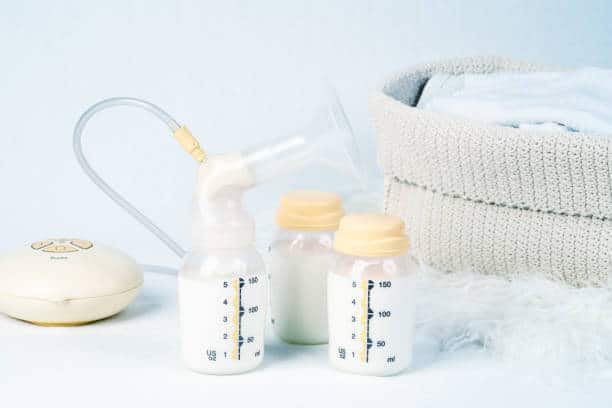
Power pumping simulates cluster feeding with a breast pump, producing results in days. Breastfeeding is a long-term decision. After two months, you find your rhythm. The milk flow that used to wake you up in the middle of the night, seeping through your sheets, decreases. After binge-eating lactation cookies, oats, flaxseed, and Mother’s Milk tea, you decide you need something stronger. Power pumping is perfect for this.
Power pumping mimics cluster feeding. When breastfeeding or solely pumping, it boosts milk production. Rapid on-off pumping empties the breast. You’re fooling your body into producing more milk immediately.
Power pumping may increase breast milk demand to enhance supply quickly. Pumping more signals milk production. During a growth spurt, repeated feedings tell your body to enhance production.
When the supply drops, mamas power pump. Nursing on demand is the greatest approach to organically boost your supply. Many variables might make nursing on demand unfeasible.
Young babies have trouble latching. Some older babies grow bored at the breast and don’t want to nurse all day. Others have returned to work and aren’t with their infant all day. The pump gives these ladies complete control over “nursing.”
However, power pumping is not for everyone. Women who have a good supply would run into over-supply issues with power pumping.
RELATED: 6 Ways To Prep Your Body & Home For Breastfeeding
Before power pumping, see a lactation consultant—you may have enough milk!
Power pump schedules vary, but the most common are:
Some parents notice a supply rise in three days, while others need to power pump for seven or more.
Don’t give up if you don’t notice results straight away.
Power pumping requires a dual electric pump. With a single breast pump, power pumping takes twice as long or, more practically, eliminates the rest interval and switches to the second breast.
Double pumping strongly stimulates a healthy milk supply. Double pumping increases the milk-making hormone prolactin.
RELATED: 15 Breastfeeding Secrets For Every New Black Mom
Check your pump and components before starting. After months of usage, a pump might wear down, making a woman assume her supply has dropped.
Replace your pump after a year. Replace pump valves, membranes, and tubing every three to six months.
It may seem like a pain, but it’s a cheap and fast remedy that might save one or two ounces (worth it!).
Finally, ensure pump components fit.
Some women are surprised by the difference in comfort and milk supply when they discover their pumping shield is too tiny.
To ensure a good fit:
Power pumping is flexible. Use a power pump or pump while your baby is sleeping or busy.
Early breastfeeding studies show milk supply rises in the morning and subsequently decreases during the day.
Power pump before your baby wakes up, during their morning sleep, or during your first regularly scheduled pump. If your baby is resting quietly, set your alarm.
Ask for support during extended power pumping sessions. To concentrate on replenishing your supply, ask your partner to watch the kids or invite a friend or family to visit.
Always feed while power pumping. Your infant will always remove more milk than the breast pump. However, if your baby is having trouble latching or sucking, you may need to start with a bottle to relax them. Always end at the breast. Lactation consultants are ideal in these cases.
RELATED: Breastfeeding Positions: Have You Tried Them All?
How will you pump an hour in one sitting? There are several ways to simplify the procedure.
First, a hands-free bra. Consider the difference between gripping onto your pumps for an hour and relaxing with a cup of tea and a magazine (or perhaps squeezing in an additional hour of work!). Hands-free bras changed my life. Many wonderful possibilities exist, but you may create your own to save money.
The last thing you want to do is locate your pump, wash its components, and plug it in while your child is asleep or you have one hour between meetings. Make a pumping place for convenience.
Ensure your allocated place contains a comfy chair/couch, cushions, a blanket, a fan, and anything else you need to relax.
Adrenaline may suppress oxytocin during fear, stress, and anxiety. Adrenaline disrupts your milk delivery system because oxytocin lets your milk flow freely. Stress and nursing are incompatible.
Water is great for nursing and pumping. Hydration helps you produce milk. Have a nutritious snack too. Fruit, almonds, hard-boiled eggs, or dark chocolate.
You read correctly! Looking at images or videos of your kid (surfing through your phone qualifies) might generate the oxytocin needed for a robust “letdown.”
According to one research, listening to calming music or guided relaxation while pumping increased milk production. These moms generated fattier milk.
Pumping for 40 minutes is lengthy. Prevent cracking and chafing with coconut oil or my DIY nipple lotion.


By subscribing, you consent to receive emails from BlackDoctor.com. You may unsubscribe at any time. Privacy Policy & Terms of Service.