Many Black Americans are living with hidradenitis suppurativa (HS) without even knowing it—often dismissed by doctors, misdiagnosed as boils or acne, or left untreated due to stigma and healthcare barriers.
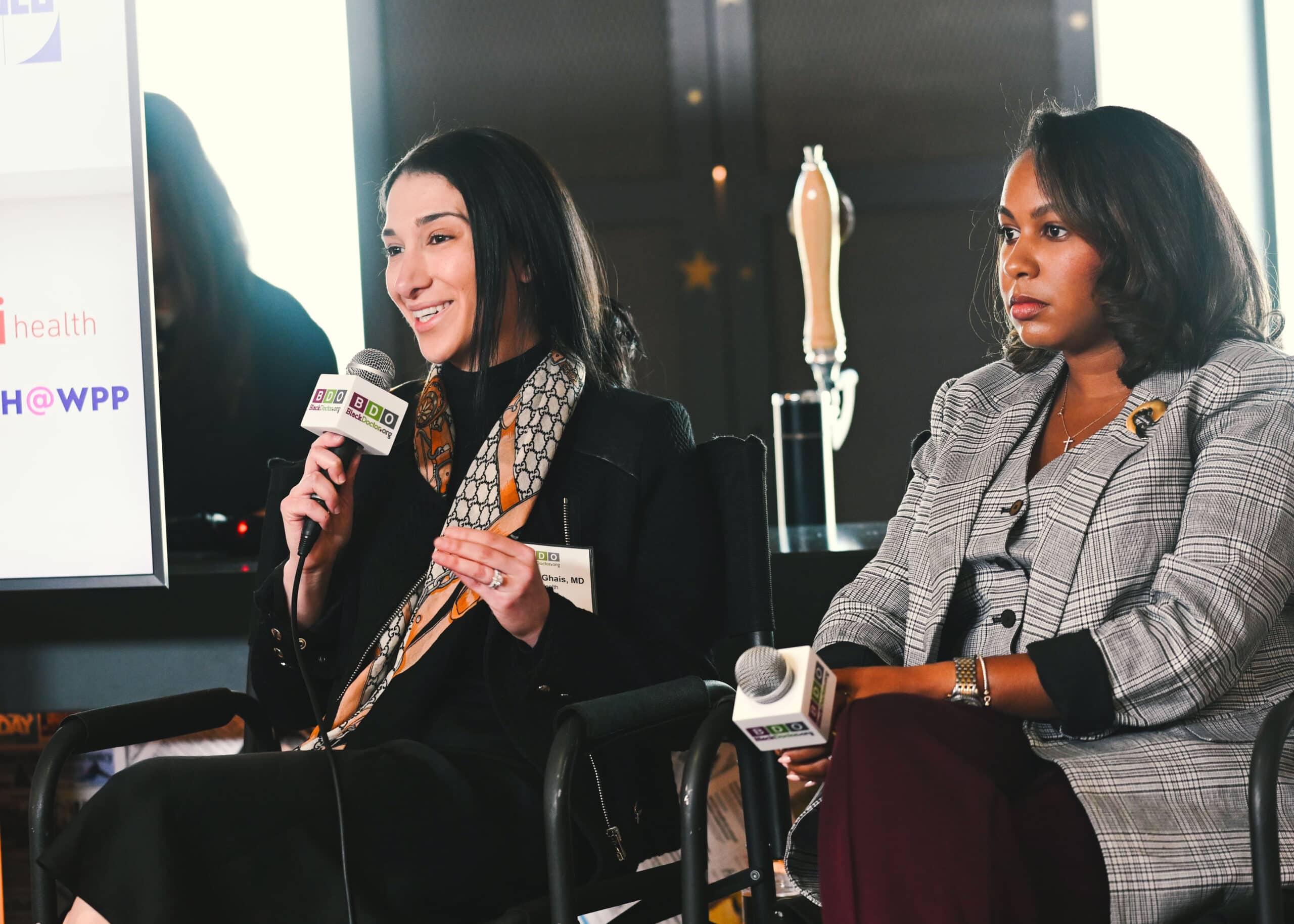
At BlackDoctor.org’s second annual “State of Black Health: What Now Black Health” Summit, Jade Curtis, Executive Editor of BlackDoctor.org, led a powerful discussion on HS awareness, diagnosis, and treatment.
Both panelists are passionate about empowering patients with the knowledge and resources to manage HS and advocate for better care.
The “Love Your Skin: HStory” panel, hosted in collaboration with USA TODAY, explored everything from debunking myths to addressing the emotional toll of HS. The discussion emphasized the importance of early diagnosis and education, and highlighted the need to break the cycle of silence in the Black community.
HS is a chronic inflammatory skin condition that causes painful nodules, abscesses, and tunnel-like tracts under the skin, primarily in areas like the armpits, groin, and inner thighs.
“Hidradenitis suppurativa, we also call it HS, very long name, is a chronic inflammatory skin condition. It primarily leads to tender, painful nodules and abscesses and can lead to progressive tunnels under the skin,” Dr. Mondana Ghais explained.
Despite affecting over three million people in the U.S., HS remains widely misdiagnosed—with an average time to diagnosis of 10 years.
“It’s a huge problem with HS because we know the average time to diagnosis is about 10 years, which is crazy, and so every misdiagnosis is really a missed opportunity for us to stop the suffering and to treat our patients and get them better,” Dr. Ghais added.
Many Black patients face additional barriers, as HS symptoms can be harder to detect on darker skin tones, leading to even longer delays in diagnosis.
“On the one hand, a lot of providers struggle to diagnose it in general, and then there’s also an element of, with skin of color, you really want to focus on being able to appreciate the subtle signs of erythema and inflammation on melanin-rich skin,” Dr. Ghais noted.

Charity Williams highlighted cultural and systemic factors that contribute to delayed diagnosis in Black patients.
“There’s a lack of insurance access and access from a financial standpoint. But there’s also just a lack of access to specialists and education. And when I say education, I don’t mean formal degrees or college degrees… it’s about knowing when to go to a specialist,” Williams said.
She shared a personal reflection on why dermatological care is often deprioritized.
“I think about my personal experience of going to a dermatologist once in my life… never once has anyone in my family gone to a dermatologist or had any reason to go. It’s just not something that is commonly done as much in our community,” Williams shared.
Instead, many Black women turn to home remedies, passing down generational beliefs that HS symptoms are just “boils” that will heal with time.
“The first thing you probably do, especially at 14 years old, is go to your mom. And what we see often is that there’s, ‘Oh, I’ve had these, it’s a boil, put a hot rag on it.’ There’s just a lot of things that happen like that, that kind of keep us in the cycle of home remedies,” Williams added.
HS is not just a skin condition—it deeply impacts a person’s daily life, mental health, and self-esteem.
Williams described the physical and emotional struggles patients endure:
“I mean, you’ve got a boil in your stomach. I’ve heard of women not being able to pick up their child or breastfeed, or even sit comfortably in a chair. There are just a lot of things that really impact more than just the visible—it impacts the physical, the emotional, and the mental health side of things.”
Dr. Ghais echoed the importance of mental health support, especially for younger patients:
“This is something that’s really playing a role in their psychological development, their confidence, their ability to have intimate relationships. So how are we addressing both some of these hidden aspects as well as medical management?”
For many years, HS treatment options were limited, leaving patients feeling hopeless. But Dr. Ghais emphasized that the past five to 10 years have been transformational:
“Even though HS used to be a condition with very few options, and patients felt very hopeless… the ability to really intervene at an earlier point and give patients back their life, give them back the opportunity to take care of their kids and do all the things that they love—that’s really been super incredible to see.”
Early intervention is key. Williams encouraged patients to seek specialized care:
“Getting to a dermatologist is incredibly important… there’s never a good time to have HS, but there’s also never been a better time to have HS because there are more resources now than ever in terms of treatments.”

Both panelists emphasized the importance of compassion and listening when supporting someone with HS.
“By the time they come to you and say, ‘Hey, I’ve got this boil,’ they have probably suffered through it a few times because it is incredibly shameful for them,” Williams said. “So I ask that we listen to them as caregivers, as family members, and also as physicians.”
Dr. Ghais reinforced that stigma must be dismantled:
“All too often, when people even do go to a doctor, they are told things that we know are completely inaccurate… like this is related to hygiene or diet. And it’s really important to emphasize that this is not something patients are causing.”
If you suspect you have HS, the panelists strongly encouraged seeing a board-certified dermatologist—preferably one with experience in HS.
Williams shared key resources for patients seeking help:
“It’s really important for you to not be ashamed and get the right treatment and start seeking the steps,” Williams urged.

For far too long, HS has been misunderstood, dismissed, and hidden—especially in Black communities. But with increased awareness, better treatments, and strong advocacy, more patients can get diagnosed earlier and reclaim their lives.
“There’s so much more now than we had a decade ago,” Williams said. “Let’s make sure people know their options.”
BlackDoctor.org is committed to amplifying these conversations and connecting Black communities with trusted healthcare resources. Visit BlackDoctor.org for more information, support, and expert insights.
Let’s break the silence on HS—because everyone deserves to feel comfortable in their own skin.



By subscribing, you consent to receive emails from BlackDoctor.com. You may unsubscribe at any time. Privacy Policy & Terms of Service.
Enter your name and email to receive the download link.