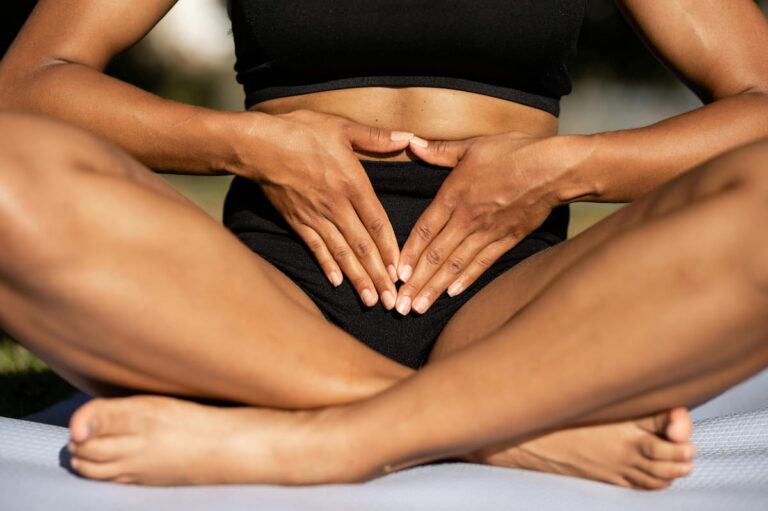
Endometriosis uniquely affects African-American women. Traditional thinking was that endometriosis was a condition of white women but that conventional thinking is rapidly changing. Unfortunately, when Black women have chronic pelvic pain it is presumed to be due to other conditions like PID (pelvic inflammatory disease, a pelvic infection) or uterine fibroid tumors (very common in Black women). However, endometriosis is real and common in many African-American women.
So, lets start with what exactly is endometriosis? Endometriosis is a condition that occurs when the tissue that normally grows inside of the uterus (called endometrium) grows outside of the uterus in the pelvis. Once in the pelvis, the endometrial tissue causes inflammation and scarring as it attaches to pelvic organs (fallopian tubes, ovaries, bowel and bladder). This scarring and inflammation is what causes the painful symptoms many with endometriosis experience.
ENDOMETRIOSIS is common. Approximately 10% of American women (about five million) are affected. Endometriosis is sited as the single most common causes of chronic pelvic pain in women (pelvic pain that has lasted for six months or longer).
The exact cause of endometriosis is unknown but possibilities include menstrual bleeding that goes through the fallopian tubes into the pelvis, genetic factors (it is more common in families) and having had a prior Cesarean section (C-section) delivery.
While we don’t know the exact cause, we do know the symptoms of endometriosis. These symptoms which are frequently wide ranging and debilitating include:
If you suspect that you might have endometriosis, you should make an appointment with your OB/GYN ASAP. Diagnosing endometriosis requires a minor surgical procedure known as laparoscopy. For women who want to avoid surgery, a presumptive diagnosis can be made using hormonal medications.
While there unfortunately is no cure for endometriosis, there are multiple treatment options and lifestyle changes that can improve symptoms.
Lifestyle changes include:
Increased exercise/weight loss. Not only does this improve overall health and wellbeing but reducing the extra pounds reduces hormone levels.
Reduce alcohol and caffeine. Both can increase hormone levels.
Eat more fiber: Fiber can reduce hormone levels in your blood.
Eat less soy: Soy mimics the hormone estrogen.
Eat organic: Food with less hormones and steroids are better for our all around health and obviously ingesting less hormones will reduce your own hormone levels.
Hormonal suppression
Endometriosis is exacerbated by the normal monthly production and fluctuation of hormones. Taking hormonal medications that reduce your natural hormonal cycling frequently will reduce the symptoms of endometriosis while simultaneously slowing it’s advancement. These hormones include
Surgical intervention
Patients with endometriosis usually will end up having surgery and frequently they will have multiple surgical procedures.
Chronic pelvic pain can come from multiple sources and none of the diagnoses are mutually exclusive. When it comes to chronic pelvic pain, educate yourself and be your own advocate. Talk to your doctor about the possibility of endometriosis, ask questions and don’t stop asking until you are satisfied with the answers. If you are not satisfied with the answers, consider seeking a second opinion.

Idries J. Abdur-Rahman, MD, FACOG is a board certified Obstetrician/Gynecologist. He practices alongside his twin brother Dr. Jamil (who is also a board certified Obstetrician/Gynecologist) in the Northwest Suburbs of Chicago. Dr. Idries is a married father of two son’s and three daughters and he is an avid traveler and runner. Learn more at TwinDoctorsTV.com.


By subscribing, you consent to receive emails from BlackDoctor.com. You may unsubscribe at any time. Privacy Policy & Terms of Service.