
In the ever-expanding world of superfoods, the vibrantly hued pitaya, often referred to as pitaya fruit or dragon fruit, has carved out a prominent space. Its striking appearance, with its bright pink or yellow skin and scale-like protrusions, is just the beginning of its appeal. But beyond the aesthetics, what exactly is pitaya, and why is it gaining so much attention? Let’s delve into the fascinating world of this tropical delight, exploring its nutritional prowess, health benefits, and how it stacks up against other popular superfoods like acai.
The pitaya fruit is the fruit of several different cactus species, most commonly belonging to the Hylocereus genus. Native to the Americas, it is now cultivated in tropical regions worldwide. The two most common types are the pink-skinned pitaya with white flesh (Hylocereus undatus) and the pink-skinned pitaya with red flesh (Hylocereus costaricensis). A less common yellow-skinned variety with white flesh (Hylocereus megalanthus) also exists.
The terms pitaya and dragon fruit are often used interchangeably. While technically “pitaya” is the general name for the fruit of the Stenocereus and Hylocereus cactus species, and “dragon fruit” specifically refers to the fruit of the Hylocereus genus (the most commonly consumed types), in everyday usage, they essentially mean the same thing. So, whether you hear someone talking about pitaya or dragon fruit, they are likely referring to the same vibrant and nutritious fruit.

When comparing pitaya vs acai, both fruits boast impressive nutritional profiles and are considered superfoods. However, they offer different strengths:
Ultimately, both pitaya and acai offer unique nutritional benefits, and incorporating both into a balanced diet can be advantageous.
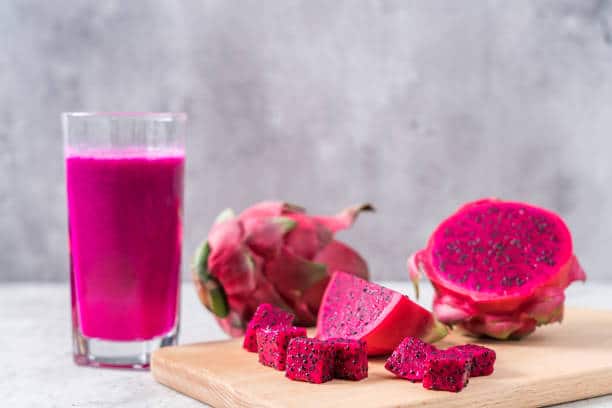
Let’s take a closer look at the pitaya fruit nutrition and pitaya fruit nutritional value. While specific nutrient content can vary slightly depending on the variety, a typical 100-gram serving of raw pink-fleshed pitaya offers:
This impressive nutritional value of pitaya makes it a valuable addition to a healthy diet.
The wealth of nutrients in pitaya translates into a range of potential pitaya health benefits. Is pitaya healthy? The answer is a resounding yes! Here are some key benefits of pitaya:
These health benefits of pitaya fruit make it a worthy addition to a balanced and healthy lifestyle.
To summarize the key pitaya benefits:

With approximately 60 pitaya fruit calories per 100-gram serving, this vibrant fruit is a relatively low-calorie and nutrient-dense option. This makes it a guilt-free addition to smoothies, salads, or enjoyed on its own as a refreshing snack.
There are numerous ways to enjoy the delicious and nutritious pitaya. Its mild sweetness and vibrant color make it a versatile ingredient:
The pitaya, or dragon fruit, is more than just a visually appealing tropical fruit. Its impressive pitaya fruit nutrition profile, packed with antioxidants, fiber, vitamins, and minerals, offers a wide range of pitaya health benefits. Whether you’re looking to boost your immune system, improve your digestion, or simply add a delicious and nutritious element to your diet, pitaya is a fantastic choice. So, next time you spot this vibrant fruit, don’t hesitate to embrace its power and enjoy all that it has to offer.


By subscribing, you consent to receive emails from BlackDoctor.com. You may unsubscribe at any time. Privacy Policy & Terms of Service.