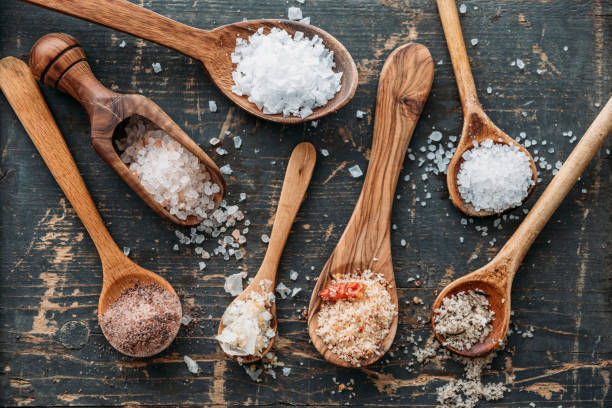
Sugar gets most of the attention, but people with diabetes need to think about salt, too. Too much sodium — the mineral in salt — can raise your blood pressure, and high blood pressure can threaten both your heart and your kidneys. Simply having diabetes also puts these organs at risk, and you don’t want high blood pressure to add to the danger.
The American Diabetes Association recommends eating no more than 2,400 milligrams (mg) of sodium each day, about what you would typically get from a cup of canned chicken noodle soup, a bacon cheeseburger, and five salted pretzels.
Your doctor may suggest cutting back even more. Start by cutting back on what you add to cooking, which accounts for about 11 percent of the average person’s daily intake of salt.
You should cut back on the following:
RELATED: Could Chinen Salt Be Good For You?
If you’re trying to kick the salt habit, you may wonder if salt substitutes are worth a try. Filling your shaker with a low-salt or salt-free alternative can definitely help you cut back on sodium, especially if you’re the type who tends to use the shaker at every meal. Salt substitutes are generally safe — if you can stand the taste — but there’s a catch. Just about every salt substitute contains potassium, a mineral that can be extremely dangerous to people who already have weakened kidneys. Your kidneys help clear potassium from the blood. And if they aren’t doing the job as well as they should, you could develop a potassium overload. This condition — called hyperkalemia — can be potentially fatal if not treated right away.
Unless you’ve just had a kidney test, it’s hard to know if your kidneys are working as they should. For this reason, you’d be better off going easy on salt AND salt substitutes.
In addition to putting away your shaker, you should check the sodium levels on nutrition labels and avoid salty foods at restaurants.
Diabetes: 4 Things to Look For on Food Labels
To make foods more flavorful, use herbs and salt-free spice blends when cooking at home with the following:
You can also try squeezing some lemon on vegetables in place of salt.
Seasoned Salt: Good Or Bad (And What To Use Instead)
The following tips will help you keep your food tasty without salt:
After about two weeks, your body should adjust to not having salt. You’ll find that foods don’t have to be salty to be delicious.


By subscribing, you consent to receive emails from BlackDoctor.com. You may unsubscribe at any time. Privacy Policy & Terms of Service.