Q: What is black soap? What is it best used for? – S.K.
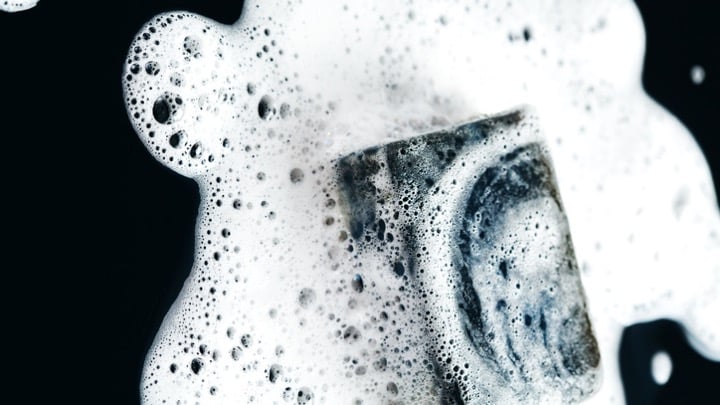
A: Black soap, also called African Black Soap (ABS), is soap made from the ash of locally harvested plants and barks such a plantain, cocoa pods, palm tree leaves, and shea tree bark. Black soap is traditionally made in West Africa, typically Ghana, from secret recipes. Varieties of black soap actually made in Africa tend to be pure, while soaps made in Europe or the U.S. tend to have added artificial ingredients. Not sure if you have the “real deal”? One rule of thumb to look for: authentic ABS should look brown and not black.
MUST READ: 10 Things Professional Hairstylists Want You To Stop Doing To Your Hair
Black soap cleanses gently, so it’s ideal for people with rosacea, rashes, dryness and other skin conditions. Some African black soap contain a plantain extract, which has antibacterial properties that may help treat acne breakouts. Some people use the soap as a shampoo or mild makeup remover.
If you’re trying to cut back on the number of toxins you put on your skin, Black soap gently cleanses impurities without the harmful chemicals. Few studies have been done on raw black soap, but available research has shown that black soap does have bacteria-fighting properties that help treat a number of skin conditions.
Some of the uses for black soap are: shampoo (be sure to follow it with your regular conditioner), makeup remover, acne breakouts, fade skin discoloration, dark spots and acne scars, reducing discomfort for psoriasis and eczema, and helping relieve skin rashes.
Black soap is best stored in a container or sealed plastic bag for ideal use. Black soap has a high content of glycerin, so it may be best to speak to your dermatologist before trying ABS if you have a known glycerin allergy.
MUST READ: 6 Eczema Triggers To Avoid
1. To combat irritation (burning, stinging, redness) associated with use, take off a small amount of soap (liquid or solid), knead it into a ball and work it into a lather by rubbing it between your fingers. Be gentle if applying directly to the skin, because there may still be particles that can scratch and damage the skin.
2. To prevent dryness, wash and rinse skin with cool water to help skin retain more moisture and use a lightweight, non-comedogenic (not tending to clog pores) moisturizer after use.
3. Because raw black soap contains high concentrations of fats, waxes and fat-soluble vitamins, but no lye, beware of high concentrations of chocolate and/or caffeine. Also be cautious of high concentrations of latex from the plantains, palm oil and/or coconut oil.
African black soap is great for oily and acne-prone skin. It’s efficient for deep pore cleansing because of its natural exfoliating qualities. For some oily skin types, it seems to keep the skin hydrated without increasing oil.
You can dissolve the soap in purified water and use it as a body wash. Let it soak for a while and liquefy. Purified water is not necessary, but recommended because you could experience different results from tap water, since some tap water has more chlorine and can be either soft or hard.
African black soap deep cleanses because of exfoliating properties, so you don’t need to scrub hard. Avoid rubbing the skin with raw black soap, especially on delicate facial skin. Lather up the soap in your hands first before putting it on your face. The soap contains ash granules and other debris that might not dissolve quickly and can scratch and damage the skin.
Visit the BlackDoctor.org Psoriasis center for more articles.

If you have any questions, don’t hesitate to ‘Ask Dr. Renee’. Follow me on Twitter @AskDrRenee and on my website.


By subscribing, you consent to receive emails from BlackDoctor.com. You may unsubscribe at any time. Privacy Policy & Terms of Service.