Living well with irritable bowel syndrome (IBS) can entail carefully managing your diet, sleep routine, exercise, and stress levels while sticking to a medication regimen. Diet changes your doctor may recommend include avoiding gluten, eating a little fiber, or adopting a special diet that avoids hard-to-digest carbohydrates. You may also find that fatty, spicy, or processed foods can make your symptoms worse. While you can do your best to avoid foods that may cause a flare, what happens if you accidentally eat them? If it’s something spicy, a couple of things may help immediately.
Although more research is needed, capsaicin in hot peppers may irritate your digestive tract if you’re sensitive to it. In a 2013 study, researchers used questionnaires to determine how often 4763 Iranian adults consumed foods containing pepper, curry, ginger, cinnamon, and turmeric. Possible answers included never, one-three times, four-six times, seven-nine times, or more than 10 times per week.
According to the results, those who consumed spicy foods more than 10 times per week were 92 percent more likely to be diagnosed with IBS than the participants who never ate spicy foods. Because previous studies suggested that capsaicin in chili peppers can exacerbate abdominal pain and burning in IBS patients, researchers concluded that eating foods containing hot peppers can worsen IBS symptoms. They also found that women were more likely to develop IBS after eating spicy food.
Of course, more studies are needed to examine the association of spicy foods with IBS in other populations. More research is also needed on whether dietary interventions, such as eating less spicy food, can improve IBS symptoms.
RELATED: 5 “Safe” Restaurant Meals for Sensitive Stomachs
Having a flare of your IBS symptoms generally means that they’ve worsened. These flares are usually temporary, but how long they last can vary. The common symptoms you can experience are:
While everybody’s experience with IBS isn’t the same, the symptoms aren’t necessarily confined to your digestive system. Some other potential symptoms of the condition include:
Sometimes you can manage flare symptoms at home. Staying hydrated, resting, and walking around slowly may help to alleviate some of your discomfort. If you have stomach pain or cramping, a heating pad may help. Finally, it’s important to eat only bland food until your stomach recovers. That can include white rice, boiled potatoes, or plain crackers.
You should know, though, that a flare shouldn’t last more than a couple of days. If your symptoms persist or worsen no matter what you do, see your doctor. Sharp stomach pain that doesn’t go away, blood in your feces, a fever, or significant weight loss are possible signs of an emergency, so you should go to the doctor immediately.

After you eat something spicy, a few remedies can ease burning in the mouth and throat. Keep in mind, though, that these address the immediate oral or heartburn-type burn — they are not proven to prevent or treat lower-gut IBS symptoms such as abdominal pain, cramping, or diarrhea, which are driven by spices’ effect on nerve receptors in the gut.
As you may expect, drinking water is one recommended way to soothe the effects of spicy foods on your stomach. It can quickly dilute what you’ve eaten, reducing the risk of irritation.
This option depends on how milk affects you. Although a recent study found no conclusive link between IBS and lactose intolerance, it still noted that many people who are living with the condition report not being able to tolerate milk well. Even if lactose isn’t a problem, the fat content in regular milk may still upset your stomach.
If it doesn’t bother you, non-fat milk may help protect your stomach from the spicy food you’ve just eaten. That’s because the protein in milk can help to fight the burn caused by capsaicin. Interestingly, you may get a similar protection from soy milk as well.
According to a 2023 study on how Manuka honey affects people with gastroesophageal reflux disease (GERD), it may help relieve irritation associated with this condition. Of course, that doesn’t automatically mean it will be great for IBS, but its potential to alleviate inflammation symptoms is worth exploring.
Manuka honey is a monofloral honey that has been studied for its potential wound-repair and antibacterial properties. It’s produced by bees fed on the flowers of the New Zealand Manuka bush. However, honey is high in fructose, a type of fermentable carbohydrate (FODMAP) that can trigger gas, bloating, and diarrhea in some people with IBS. Although you can find a variety of honey products at many retailers, it’s a good idea to ask your doctor if there’s anything in particular to watch for so you can make an informed decision.
RELATED: Eating with Ulcerative Colitis: A Black Nutritionist’s Guide to Safe & Delicious Foods
According to a review of clinical trial results, ginger may have a therapeutic effect if you’re dealing with the symptoms of IBS. Although ginger has been used in traditional medicine in different cultures, more research is needed to determine effective doses for people with digestive disorders.
In the meantime, foods like ginger can help reduce inflammation. For example, ginger tea is often recommended to ease heartburn. If you’ve eaten something spicy, consider ginger chews or sweets to help reduce possible irritation and inflammation. You can find them at many retailers.
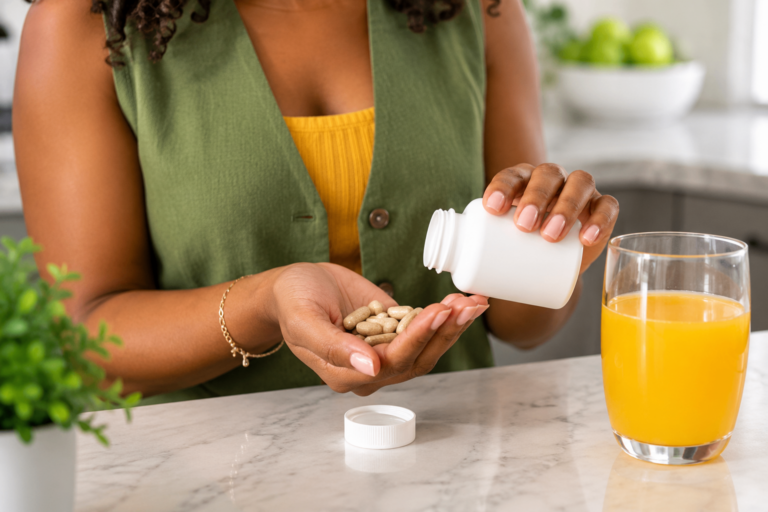
Over-the-counter antacid medications (such as calcium carbonate) take effect within minutes to neutralize stomach acid, so it’s best to take them as soon as you realize you’ve eaten spicy food. Confirm with your doctor, but antacids and medications designed to stop indigestion may be a safe option for most people. Some of these products may have side effects or interact with other medications, so it’s a good idea to familiarize yourself with them before using them.
Despite your best efforts, you may end up eating spicy foods when you didn’t mean to. Fortunately, that doesn’t mean a flare is inevitable. By reaching for one or more of the foods on this list, you may be able to stop the burn in its tracks. If your symptoms worsen, consult your doctor. They can guide you on the best way forward.


By subscribing, you consent to receive emails from BlackDoctor.com. You may unsubscribe at any time. Privacy Policy & Terms of Service.