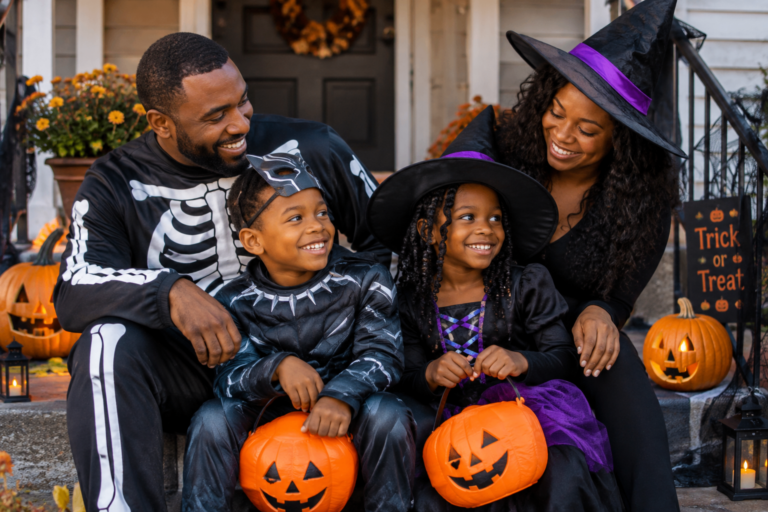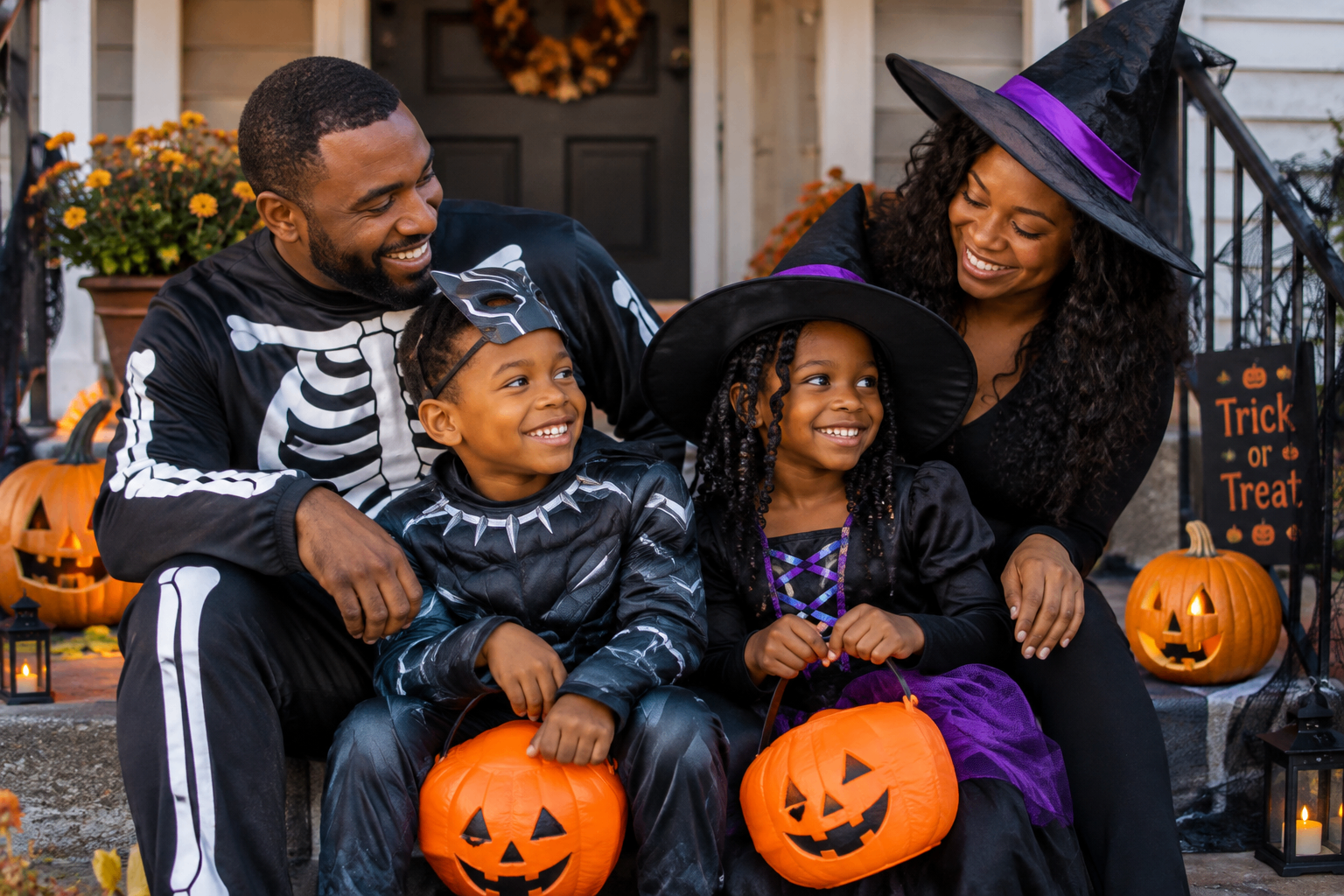
Halloween is one of the most exciting times of the year for kids and families. Between the costumes, trick-or-treating, and candy galore, there’s plenty to look forward to. But all that excitement can come with a not-so-sweet side effect: the Halloween hangover.
Eating more sugar than usual, especially in the evening, can affect how the body feels and how well children sleep. A sudden influx of sugar can cause blood sugar levels to rise, while the rewarding effects of eating sweets can temporarily boost dopamine, a chemical in the brain associated with pleasure. That combination, along with the excitement of Halloween, may leave some children feeling more energetic at first and struggling to settle down at bedtime.
But the effects don’t always end when the candy runs out. The next morning, children may wake up feeling tired, irritable, or even a little nauseated after a night of excess sugar and disrupted sleep.
“Our body’s reaction to sugar is insulin. Insulin helps us stabilize those sugars and break them down into usable forms. So when we get that really fast sugar intake, we get a lot of insulin being thrown out into our body and that’s what increases our cortisol and leads to that hangover effect of fatigue, irritability, general tiredness, [and] sometimes that nausea that people feel from having too much candy,” Dr. Brintha Vasagar, practicing family medicine physician and the Chief Medical Officer of Progressive Community Health Centers, tells BlackDoctor.
RELATED: No Trick-or-Treating? No Problem! 7 Inclusive Halloween Ideas
It’s not just the amount of candy children eat that matters. Certain sweets, particularly chocolate, can also interfere with sleep because they contain caffeine. Depending on the type of chocolate and how much a child eats, that added stimulant may make it harder to wind down and stick to a regular bedtime.
“Caffeine impacts sleep, keeps us awake a little bit longer, [and] can throw off our bedtime routine,” Dr. Vasagar adds.
And when bedtime gets pushed back, children may not get the restorative sleep they need to feel their best the next day. A late night filled with sugary treats, excitement, and a disrupted routine can create the perfect recipe for a Halloween hangover.
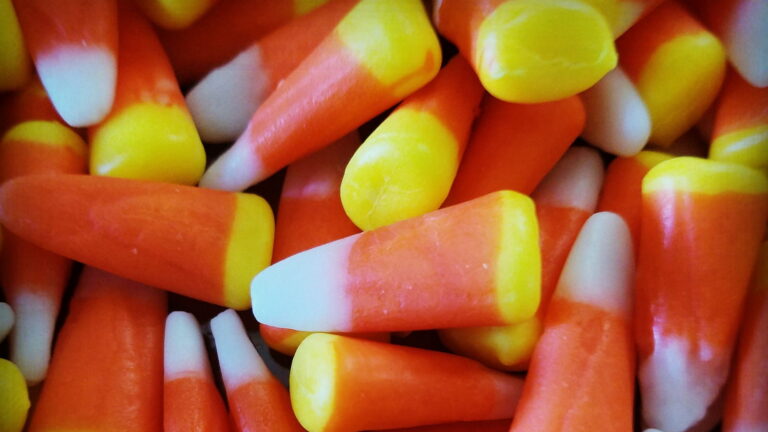
While Halloween candy is meant to be enjoyed, some options may offer a little more nutritional value than others. According to Dr. Vasagar, sticky and chewy candies made primarily with corn syrup tend to be among the less nutritious choices because they provide little beyond sugar.
Dark chocolate, chocolate with nuts, candies with nuts, and candy apples are relatively healthier options. They can provide some complex carbohydrates, fruit, and fiber, which may help lessen the impact of consuming large amounts of sugar at once.
Although some treats may offer more nutritional benefits than others, portion sizes still matter. The goal isn’t to take the fun out of Halloween or make children feel guilty about enjoying their favorite sweets. Instead, you can focus on balance, moderation, and a few simple habits that make the holiday more enjoyable for everyone.
RELATED: 5 Sugar-Free Treats Kids Will LOVE this Halloween
The good news? You don’t have to choose between letting your kids enjoy Halloween and helping them feel good the next day. A few simple strategies can help keep the celebrations fun while minimizing the effects of too much candy and too little sleep.
Before heading out for a night of collecting candy, make sure children eat a balanced meal. Dr. Vasagar recommends choosing foods rich in protein and fiber, which can help children feel full and reduce the urge to snack on candy throughout the evening.
A meal with chicken, beans, eggs, whole grains, vegetables, or other protein- and fiber-rich foods can help establish a healthy foundation before the festivities begin.
Every household has its own approach to Halloween treats. Some families may prefer setting a limit on how much candy children can eat in one evening, while others may find it easier to establish a specific time to stop eating sweets.
“For some families—and this will look a little bit different for everyone—they can either set a total limit on the amount of candy someone’s allowed to have in an evening or they can do what I like to call a candy curfew and that is: by this time, you have to be done eating all of your candy and usually we say two to three hours before bedtime is best in order to let that sugar spike happen and come back down before bedtime,” Dr. Vasagar explains.
Establishing expectations before trick-or-treating begins can help prevent disagreements later. You can also save some candy for another day, allowing children to enjoy their treats without eating everything at once.

A late night doesn’t have to turn into several nights of disrupted sleep. Whenever possible, try to maintain your child’s usual bedtime routine, including winding down before bed and limiting stimulating activities as the evening comes to an end.
Dental care is especially important after a night of sweets. Encourage children to brush their teeth thoroughly and floss as part of their normal nighttime routine. Candy can affect more than sleep and mood; frequent exposure to sugar also increases the risk of tooth decay.
Keeping familiar routines in place can help children transition from Halloween excitement back to their regular schedules.
Between walking from house to house, playing with friends, and enjoying salty snacks, children may not drink enough water during Halloween activities. Staying hydrated can help prevent dehydration and may reduce some of the discomfort families associate with a Halloween hangover.
One easy way to encourage hydration is to bring water along for the festivities. You can pack a bottle or sippy cup for younger children and carry a reusable water bottle for yourself.
“Just having it in front of you, having those frequent reminders of, hey, take a sip of water before you run off and play again can be really helpful in maintaining hydration,” Dr. Vasagar notes.
Making water readily available can help the entire family remember to drink throughout the evening.
Even with the best planning, some children may wake up the morning after Halloween feeling less than their best. A little extra tiredness after a late night or a mild stomachache after eating too much candy may improve with rest, hydration, and a return to regular meals.
“If we’re looking at the morning after and kids are generally behaving normal, maybe just a little more tired from staying awake or a little tummy ache from too much candy, that’s not necessarily something we worry about. That’s when we would want to encourage more protein, more fiber, having those normal meals back in the routine,” Dr. Vasagar explains.
However, you should pay attention to symptoms that go beyond mild, short-lived discomfort. If a child experiences persistent nausea, unusual lethargy, or difficulty eating or drinking normally, it’s worth contacting your family doctor for an evaluation. Severe symptoms or signs of dehydration warrant prompt medical attention.
The key is to pay attention to how your child feels, rather than assuming every symptom is simply the result of eating too much candy.
At the end of the day, Halloween should be about making memories, enjoying traditions, and spending time together. You don’t need to eliminate candy or enforce rigid rules to help your children have a healthier holiday. Small, realistic changes can go a long way toward balancing the excitement with the importance of sleep, nutrition, hydration, and oral health.
“Every family is different and that’s okay. Understanding what works for your family is really the key here. We want to keep Halloween fun. We don’t want to have too many rules and restrictions. We want kids to be kids and families to enjoy this time together. But a few of these very easy prevention ideas can keep it from turning into chaos,” Dr. Vasagar concludes.
With a little planning, you can enjoy the treats, protect their routines, and wake up ready to take on the day after Halloween.


By subscribing, you consent to receive emails from BlackDoctor.com. You may unsubscribe at any time. Privacy Policy & Terms of Service.