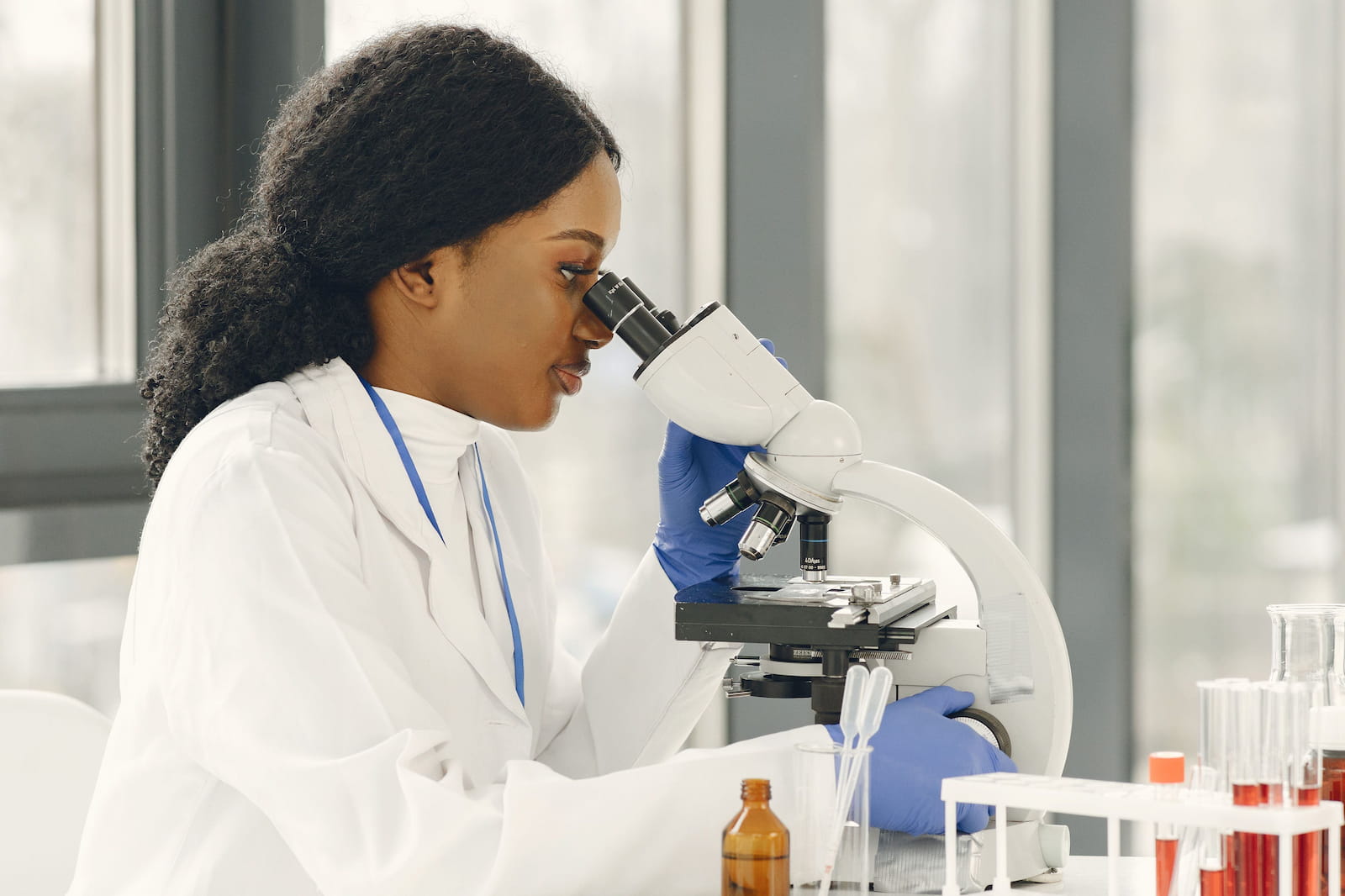
The U.S. Department of Health and Human Services (HHS) announced a new set of agency-wide actions to expand human-based research methods and reduce reliance on animal testing. This initiative spans the National Institutes of Health (NIH), the U.S. Food and Drug Administration (FDA), the Centers for Disease Control and Prevention (CDC), and the Advanced Research Projects Agency for Health (ARPA-H).
“We are moving HHS toward a new era of biomedical research that puts human biology at the center of science,” said HHS Secretary Kennedy in the press release. “We are modernizing outdated regulations, investing in human-based technologies, and breaking down barriers that have kept researchers dependent on animal models when better tools are available.”
This initiative doesn’t mean animal testing is disappearing immediately or that human-based research is going away. It’s just a new approach to evaluating and testing new treatments.
New Approach Methodologies (NAMs) are research approaches that include human organoids, tissue models, computational modeling, artificial intelligence (AI), and other technologies. HHS agencies are investing in developing, validating, and scaling these methods to give researchers and regulators additional ways to study human biology and evaluate medical products.
HHS agencies aim to develop research tools that can better capture aspects of human biology.
RELATED: Could a New FDA Pilot Help Bring New Treatments to Clinical Trials Faster?
Better human-based models could possibly help researchers identify promising medical treatments much earlier. They could also provide additional information about how a treatment could affect people before clinical testing. This could potentially help lower the risk of adverse events that occur when participants are trying new drugs or other therapies.
The HHS says the FDA is working to give developers greater ability to use scientifically validated alternatives to animal testing.
However, these technologies still need development and validation, and they won’t automatically replace every existing research method.

Clinical trials that involve human subjects will still be an important part of determining whether a new treatment is safe and effective. This HHS announcement is primarily about research and preclinical stages that happen before and around human testing, rather than changing the purpose of clinical trials.
Future advances in studies could potentially change what information researchers gather before a treatment reaches a clinical trial.
As human-based research becomes more refined, researchers still need a diverse range of participants in clinical trials. NAMs cannot capture every aspect of a person’s lived experience, genetics, environment, or health history. Human participants will remain a critical component of medical research and the advancement of medicine to improve outcomes across several diseases.
RELATED: The FDA Is Encouraging AI Data in Clinical Trials
The NIH is investing millions of dollars in infrastructure and research capacity, and the FDA is developing its regulatory framework for NAMs. Researchers will continue to evaluate how these methods are implemented in drug development and safety testing.



By subscribing, you consent to receive emails from BlackDoctor.com. You may unsubscribe at any time. Privacy Policy & Terms of Service.