
Love the skin you’re in.
It’s a famous saying from a popular ad campaign, but what happens when it’s far easier said than done? That can be especially true for people with darker skin, who are more prone to certain skin concerns. If you have Black skin, you likely know how easily keloids can form after even minor injuries, acne, piercings, or surgery.
Marked by raised, thickened scars that extend beyond the original wound, keloids can go from an unsightly issue to a serious problem quickly. Itchiness, pain, restriction of movement – these are just some of the problems that occur from unaddressed keloids.
Thankfully, there are various effective, evidence-based ways to manage and prevent them. No judgment, no shame.
Are you trying to treat keloids, but having little success? Do you struggle to grasp why keloids hit Black skin harder? Are you constantly bothered by annoying or even extremely painful symptoms that don’t seem to subside?
Let’s cover some of the best treatments that can help flatten those scars…
Keloids can be stubborn, and no single treatment works for everyone. Surgery can remove a keloid, but a combination approach is often used to shrink the scar and reduce the risk of it coming back. Common dermatologist-recommended options include:
While these treatments remain the foundation of keloid management, researchers continue to explore new approaches that may improve outcomes.
RELATED: 5 Natural Remedies To Remove Keloids
Once you understand that keloids result from excessive collagen overproduction during wound healing, you begin to understand how things can go wrong. See, in normal healing, the body produces just enough collagen to repair tissue. But in keloid-prone skin—particularly Black skin with its genetic predisposition—things can go into overdrive.
And, when keloids form over joints or visible areas, they can limit mobility and impact self-esteem.
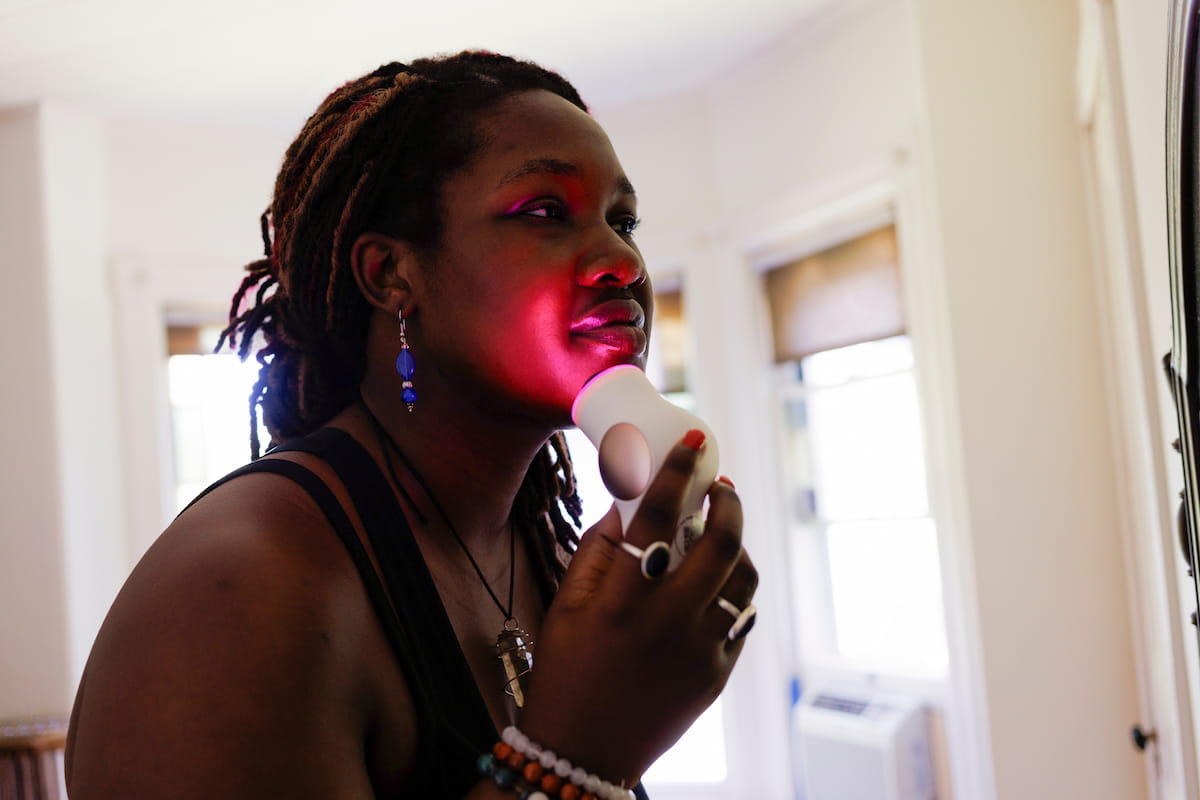
Fortunately, near-infrared and red light therapies can help. A promising non-invasive option, these treatments use wavelengths that penetrate the skin to reach fibroblasts and mitochondria. This is important because it essentially boosts the production of ATP, the primary energy molecule for your cells. From there, this increased energy-carrying capacity can help reduce inflammation, modulating excessive collagen synthesis.
More specifically, photobiomodulation inhibits TGF-β1 signaling—a key driver of fibrosis, or scarring. It also decreases pro-inflammatory cytokines such as IL-6 and TNF-α, helping keep your inflammation in check.
Preclinical and clinical studies show reductions in keloid height, improved elasticity and texture, less pain and itching, and even lower recurrence rates.
If you’re concerned about side effects, evidence suggests this therapy is generally safe for darker skin tones and is associated with minimal side effects in most studies.
Considering treatment? Today’s protocols usually involve several sessions per week, with the best results occurring after months of consistency.
New topicals are moving through the pipeline all the time, so it’s important to stay on top of them.
Consider, for instance, BPC-157, a peptide derived from gastric proteins. While this “Body Protection Compound-157” shows promise in accelerating tissue repair and modulating inflammation, the research is still emerging.
When used topically, some research suggests that BPC-157 can promote angiogenesis, the process by which new capillary blood vessels form from pre-existing ones. In other words, a necessary process for wound healing.
While more human data on keloids is needed, its healing properties make it a compelling option for compounded creams for scars.
But while BPC-157 is relatively new, we also have the cornerstone treatment area of silicone-based products. Silicone gel sheets or gels hydrate the scar, reduce water loss, and help normalize collagen production. Interestingly, pairing silicone with onion extract and aloe vera can yield even better results.
The reasons are based on very real science. For example, onion extract has fibrinolytic and anti-inflammatory effects. These qualities help reduce the number of fibroblasts, a key factor in scarring and overreactive connective tissue.
In fact, in one randomized trial, researchers found silicone gel containing onion extract and aloe vera performed comparably to silicone sheets in preventing post-surgery scars and keloids.
For best results, apply this remedy consistently twice daily. It’s generally affordable and convenient for at-home self-care.
RELATED: Bug Bites Can Cause Keloids?! Here’s What You Need to Know
As mentioned, steroids are a common treatment. Intralesional steroid injections are a proven medical tool, especially after surgical excision. The reason they’re so established is that they work by suppressing inflammation and reducing collagen synthesis.
They may also speed recovery, flatten scars, improve appearance, and lower recurrence rates compared to surgery alone. As timing can influence results, injections are typically recommended after surgery for optimal benefit.
While side effects like temporary skin atrophy or hypopigmentation can occur, they are often manageable under medical supervision. For aggressive keloids, the benefits may outweigh these potential downsides. Many dermatologists combine steroids with other modalities to improve outcomes.
Just make sure you work with a knowledgeable provider who understands keloid behavior in Black skin.
No one size fits all.
Managing keloids effectively usually means combining strategies. And with each strategy, there are different levels, amounts, and pros and cons to consider over time.
Not sure where to start?
Begin with prevention. For instance, if you have acne, treat it promptly. If you have tattoos or piercings, use silicone gels early on new wounds. For existing keloids, consider red light therapy for its potential non-invasive benefits, and then layer in effective topicals each day.
Having surgery soon? Consult a dermatologist about injections or excision plus steroids for potential scars.
And of course, never neglect lifestyle. You should always manage inflammation through diet, stress reduction, and avoiding skin trauma. Because people of African ancestry have greater risk factors, preventative measures are key. Oh, and this isn’t about anyone’s fault—it’s biology meeting environment, and solutions do exist.
You deserve to enjoy the skin you’re in. Although keloids are more common in Black communities, they don’t have to define your confidence or choices. Consider consulting a dermatologist experienced with skin of color. The “Black Derm Directory” is a useful resource for finding specialists.
Remember: combining at-home consistency with professional options can help improve outcomes. Progress takes patience, and many people may see flatter, less symptomatic scars and fewer recurrences over time.
Don’t get discouraged if results aren’t immediate. Your skin’s unique traits come with strengths too—resilience, melanin protection, and vibrancy. Addressing keloids proactively and prioritizing self-care can help you feel more comfortable and confident in your skin.


By subscribing, you consent to receive emails from BlackDoctor.com. You may unsubscribe at any time. Privacy Policy & Terms of Service.