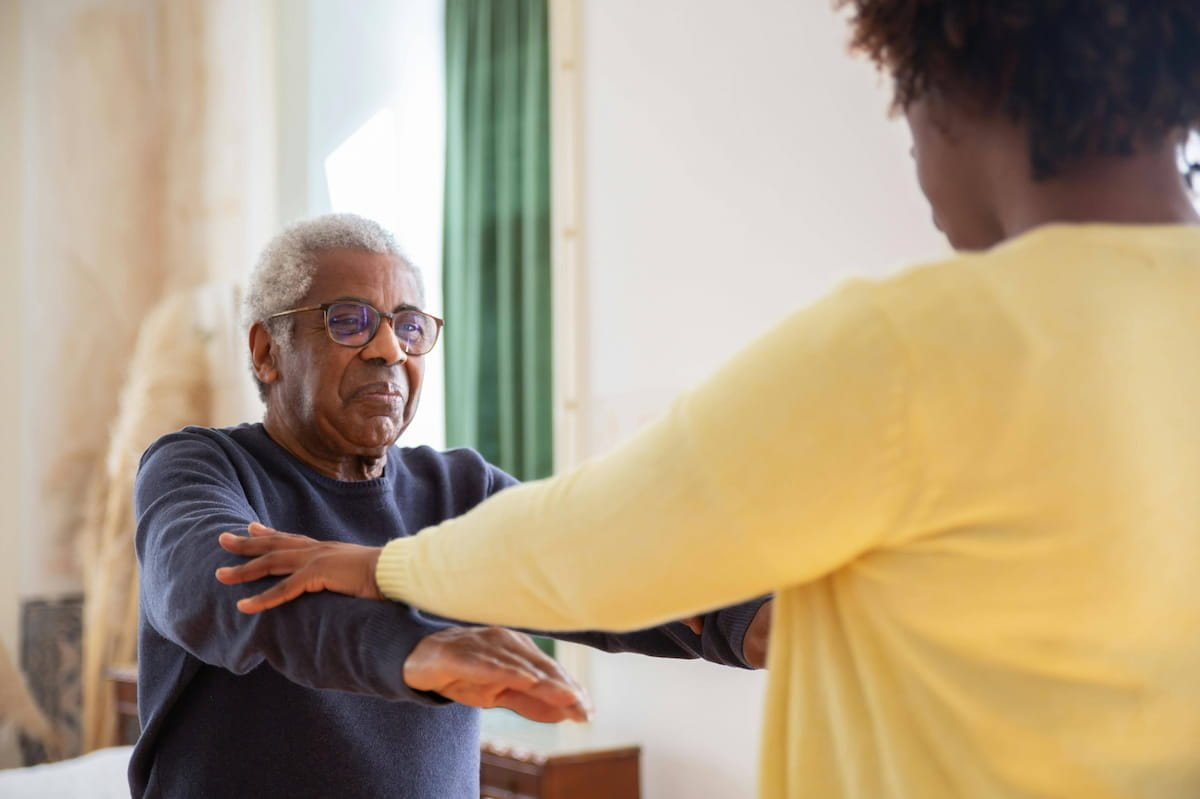
Leaving the hospital after a stroke can feel like crossing a finish line. You made it through the emergency. The immediate danger has passed. You’re finally going home. There’s relief in those moments, sometimes even gratitude. A sense that the hardest part is behind you. But for many people, that’s when a new reality quietly begins to take shape. Because once the hospital doors close behind you, something becomes clear: Recovery is just beginning.
The hospital stabilizes you. Rehabilitation introduces the process. But home is where recovery unfolds—slowly, personally, and often unpredictably. And it often looks very different from what people expect.
In the hospital, everything is structured. You have a care team. You have scheduled therapies.
You have constant monitoring and immediate support. Even when things are difficult, there’s a sense that someone is always watching, guiding, adjusting. But when you return home, that structure changes almost overnight.
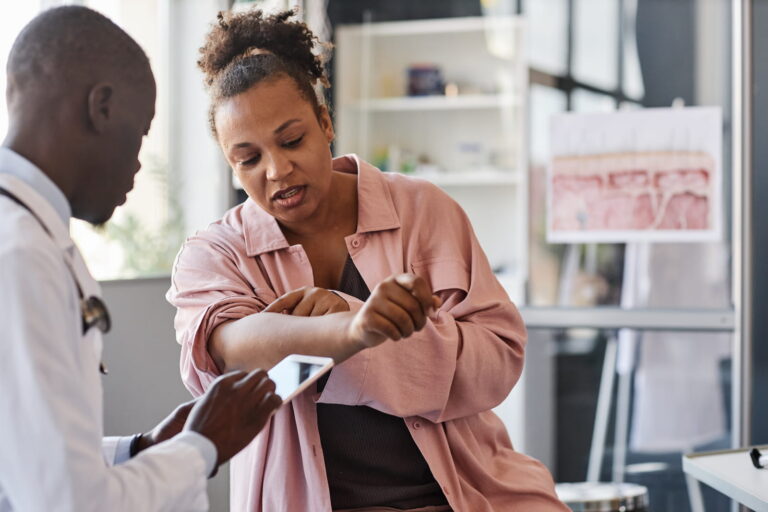
After a stroke, the average hospital stay is only about five to seven days. During that time, providers begin assessing how the stroke has affected your body and outline a recovery plan. At home, though, the responsibility shifts. You are no longer surrounded by medical professionals. Instead, recovery becomes part of your everyday life, woven into your routines, your environment, and your relationships.
Simple tasks that once felt automatic may now require effort, patience, and intention. According to the American Stroke Association, many stroke survivors must relearn basic activities like dressing, walking, cooking, and even communicating. That’s why going home can feel both hopeful and overwhelming at the same time.
RELATED: Post-Stroke Care: What to do After Having a Stroke
One of the biggest misconceptions about stroke recovery is that it ends when formal therapy sessions do. Rehabilitation doesn’t stop shifts. Instead of structured hospital sessions, recovery continues through:
And this is where expectations need to be adjusted. Because recovery is neither fast nor smooth.
Many people expect steady, visible improvement. But stroke recovery doesn’t usually work that way. Some days feel like progress. Some days feel like setbacks. Some days feel like nothing has changed at all. That emotional and physical unpredictability can be one of the hardest parts. And yet—it’s completely normal. The most rapid recovery often occurs within the first three to four months, but improvement can continue for months or even years afterward. Recovery is not a straight line. It’s a process.
At home, rehabilitation isn’t something you “go to.” It’s something you live. It shows up in small, repetitive moments:
These tasks may seem small—but they are foundational. According to the American Stroke Association, recovery focuses heavily on activities of daily living—things like bathing, dressing, and preparing meals. And progress often comes from repetition—not intensity.
Understanding the general timeline can help reduce frustration and set realistic expectations.
This is often one of the most difficult phases. You’re adjusting not only physically, but mentally and emotionally. Fatigue is common, sometimes overwhelming. Tasks take longer.
Simple movements require focus and effort. At the same time, therapy continues—focused on rebuilding strength, mobility, and communication skills. This stage is less about speed and more about adaptation.
This phase is often called the “golden window” of recovery. You may begin to notice improvements:
But alongside that progress, emotional challenges often become more noticeable. Many people experience:
These emotions are not setbacks; they are part of the process.
As recovery continues, progress may feel less dramatic. Improvements become more subtle.
Gains may take longer. But this stage is where long-term independence begins to take shape. You start building routines. You adapt to new ways of doing things. You begin to find your rhythm again.
Recovery doesn’t stop at a deadline. The brain continues to adapt—a process called neuroplasticity—allowing for continued improvement over time. Even after a year, people can still regain skills, strength, and confidence.
RELATED: 18 Exercises for Rebuilding Strength After a Stroke
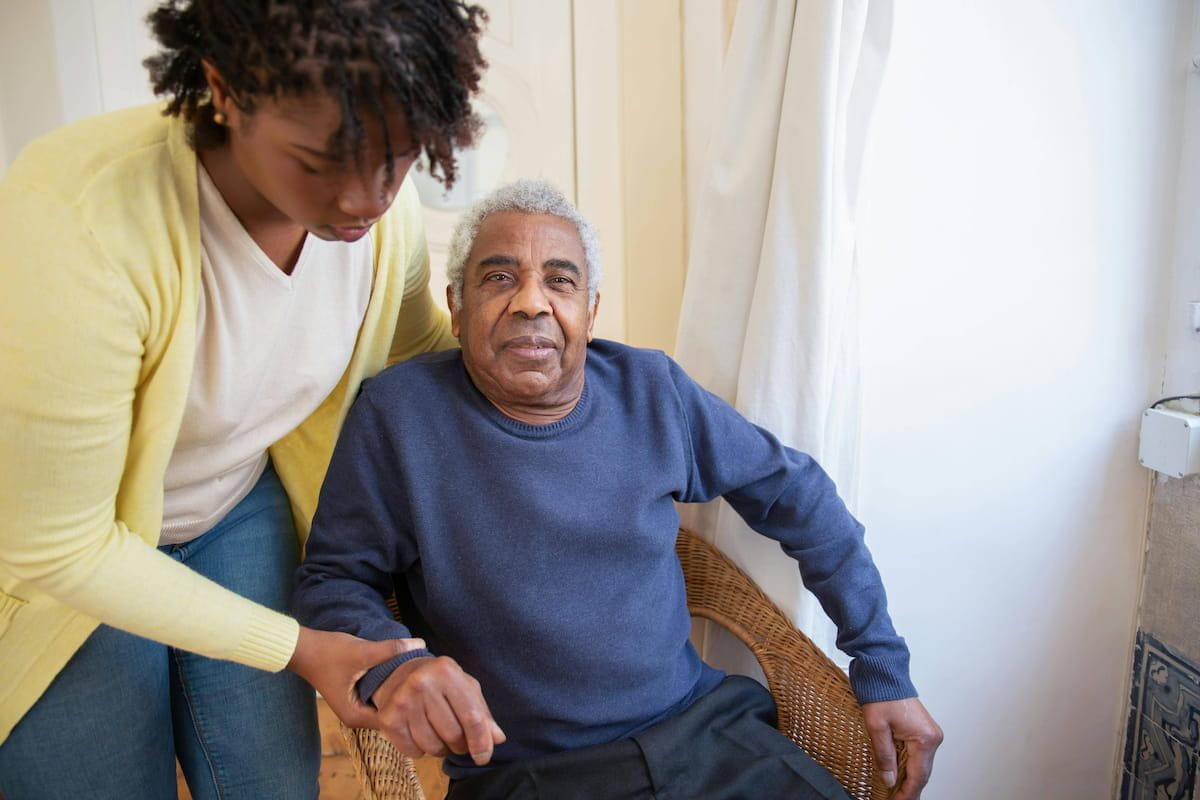
Stroke recovery at home is rarely a solo journey. Caregivers—whether partners, children, siblings, or friends—often become essential to daily life. And their role is bigger than many people expect. They help with:
According to the American Stroke Association, caregivers play a critical role in helping survivors follow treatment plans and maintain recovery progress.
Caregiving is meaningful—but it’s also exhausting. Many caregivers experience:
And often, they carry this quietly. That’s why support is essential—not just for the survivor but also for the caregiver.
Stroke recovery isn’t just physical, it’s neurological. And that means emotional changes are common. Survivors may experience:
These changes are not personal flaws. They are real, biological responses to brain injury. The American Stroke Association emphasizes that emotional recovery is just as important as physical healing.
One of the hardest parts of recovery is adjusting to change. You may:
That shift can feel deeply personal. And it takes time—not just physically, but emotionally—to process.
Recovery at home isn’t just about exercise; it’s about environment, support, and mindset.
Consistency helps the brain relearn. Simple structure—regular therapy times, predictable daily patterns—can support progress.
Small home adjustments can make a big difference:
These are not limitations—they are tools for independence.
Recovery is not meant to happen in isolation. Support from family, friends, or even support groups can make a significant difference in both motivation and emotional well-being.
Progress may be slow—and that’s okay. Focus on:
Not just what’s changed.
One of the most important parts of recovery is redefining expectations. Recovery is not always about going back to who you were before. It’s about:
And that new normal can still hold meaning, independence, and strength. Leaving the hospital is not the end of stroke recovery. It’s the beginning of a new phase—one that happens quietly, consistently, and often behind the scenes. At home, recovery looks like:
It’s not always visible. It’s not always easy. But it is possible. And over time, with patience and persistence, many stroke survivors don’t just recover function—they rebuild lives that are still full, meaningful, and strong.


By subscribing, you consent to receive emails from BlackDoctor.com. You may unsubscribe at any time. Privacy Policy & Terms of Service.