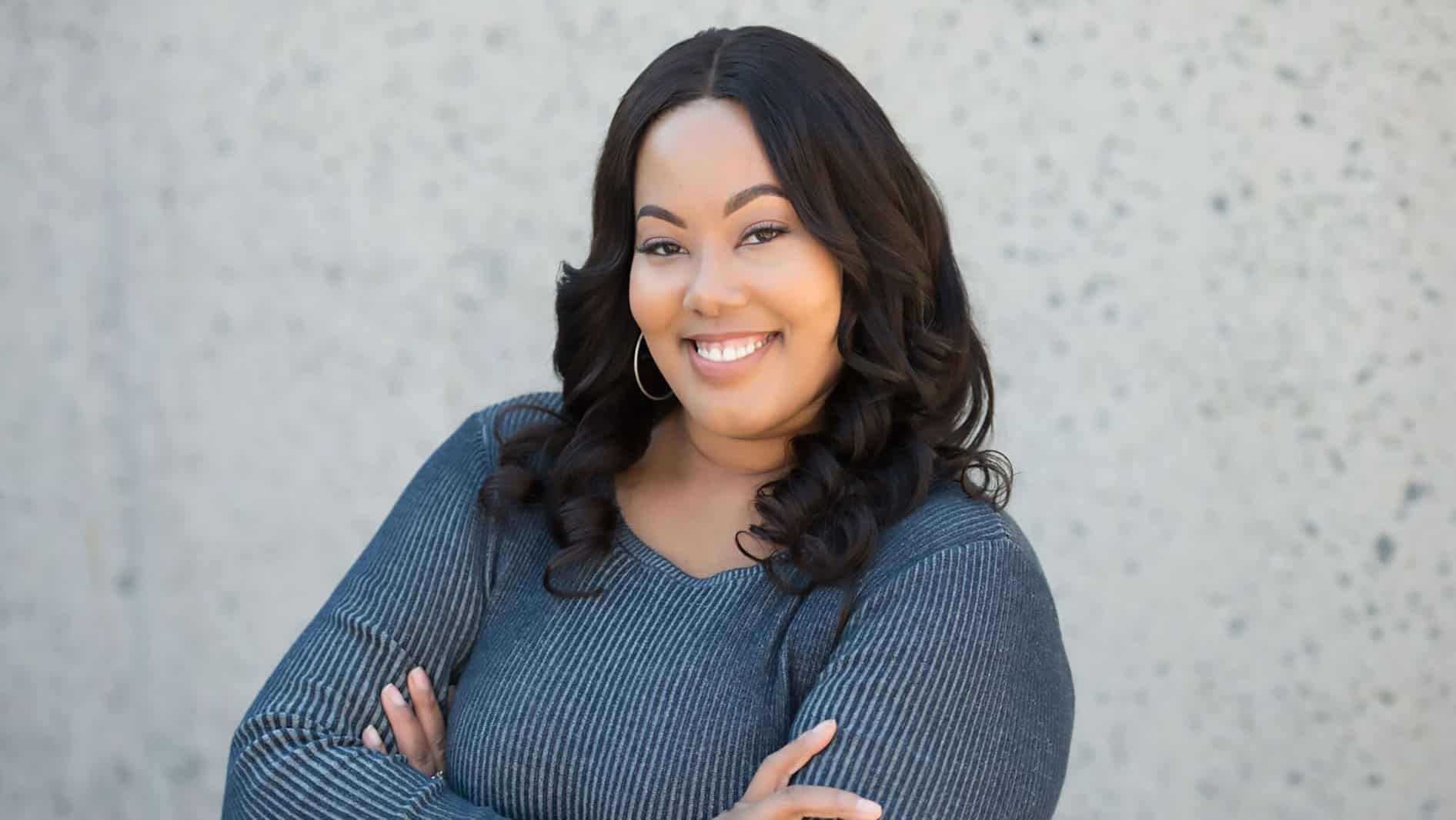
Jamil Rivers was diagnosed with metastatic de novo breast cancer just a month before her 40th birthday. Her husband had already battled cancer twice. It was devastating to the mother of three, who was used to being the caretaker in her family. She was battling the task of being the superwoman to her family. How was she going to manage treatment, take care of her family and take care of herself?
At age 16, Rivers discovered she had fibrocystic breasts. She had the benign cysts drained, which caused her breasts to change texture. After suffering a miscarriage in 2015, her right breast remained engorged and fuller than the left. Initially, her OB-GYN thought it may be due to a blocked milk duct since her right breast was always the breast that produced the most milk when she breastfed.
Two years later, she experienced a cold that wouldn’t go away, so she decided to request an ultrasound, which revealed lesions in her liver. Next, she received a biopsy and was diagnosed with stage IV hormone-positive breast cancer.
RELATED: Are Cancer Survivors More Susceptible to Metastatic Breast Cancer?
After being diagnosed, Rivers decided that approaching it with laser-focused determination would be the only way to understand what the battle ahead would entail.
She began drafting daily checklists that helped her navigate doctors’ appointments and medications. She spent close to a year on intravenous chemotherapy, which shrank her tumors. She also had her ovaries removed to suppress estrogen. Currently, her ongoing treatment includes endocrine therapy. After a year of chemotherapy, others began noticing her approach to handling cancer and turned to her for advice.
“They would say, ‘Oh, you seem to be doing okay, can you share what you know,’” the mother of three says. “I was so focused on helping myself. It was just one day at a time, going to chemo, coming home, taking care of the kids and doing what I had to do. You never know who you’re inspiring when you’re just putting one foot in front of the other.”
This led to Rivers making the decision to share her checklist with other women to inspire them. From there its popularity grew.
“I’m one of those Type A project management type people,” she laughs. “But I find most people aren’t like that – they are devastated and overwhelmed by their diagnosis, which is normal. I think sharing the information I had actually did help many people.”
In sharing this information and speaking with other women battling breast cancer, she began to notice a heartbreaking reality: Black women were being left out of outreach, education, research and treatment.
Black women are dying of breast cancer at a significantly higher rate than White women, she notes.
“That was shocking to me,” Rivers adds.
Jamil says the most violent aspect of cancer is the unequal medical system and unjust racial health disparities that prohibit treatment and worsen cancer outcomes for many Black women. This is the most violent aspect of cancer because of Black women’s vulnerability to “a system with unconscious bias and structural racism,” she shares.
Determined to change this, Rivers adapted her checklist into a curriculum for women living with cancer and into a training program for healthcare providers.
She also collaborated with Living Beyond Breast Cancer, the American Cancer Society and Susan G. Komen on projects utilizing the curriculum and training she developed. This was a great feat, but Rivers knew there was still more that needed to be done.
“All of those programs were really successful, but they were one-and-done projects. I felt like the need is so great, maybe we should do this every day,” she says.
A little over a year after she was diagnosed, she founded the Chrysalis Initiative. The Chrysalis Initiative is a “resource [that] provides Black women (and other disparate groups) with the tools to recognize and address racism in their cancer care, including 1:1 coaching, accessing resources and a patient community, and viewing a patient-curated provider directory—all with the purpose of erasing the line of inequality in breast cancer care.”
“We have this opportunity for people to see that what’s happening isn’t right,” Rivers adds. “I want to help everyone look critically at the way we interface with people of color in care and inspire a transformation.”
“I never believed that cancer is a gift,” but it’s a crucial “part of my story,” Rivers concludes. “I’m still here. I’m still breathing. So I’m going to live my life and do what I can with this.”
RELATED: 8 Myths About Metastatic Breast Cancer Treatment You Shouldn’t Believe
Around 170,000 people in the United States are living with metastatic breast cancer. Fewer than 1 in 3 women who are diagnosed with early-stage breast cancer later develop metastatic breast cancer, according to the Cleveland Clinic.
About six percent of women and nine percent of men have metastatic breast cancer when they’re first diagnosed with breast cancer.
Your risk of developing metastatic breast cancer depends on various features of the cancer, including:
Cancer that is diagnosed and treated at an earlier stage has a better outlook. Talk to your doctor about when you should start having regular breast exams and mammograms.

By subscribing, you consent to receive emails from BlackDoctor.com. You may unsubscribe at any time. Privacy Policy & Terms of Service.