Thyroid Eye Disease (TED), also known as Graves’ orbitopathy or ophthalmopathy, is a rare autoimmune condition that primarily affects the tissues around the eyes. Although it is most commonly associated with hyperthyroidism (an overactive thyroid), particularly Graves’ disease, TED can develop in people with normal or underactive thyroid function. This article delves into the key facts you need to know about TED, its causes, symptoms, treatments, and potential long-term effects.
1. What is Thyroid Eye Disease (TED)?
Thyroid Eye Disease is an autoimmune disorder where the body’s immune system mistakenly attacks the muscles and other tissues surrounding the eyes. This results in inflammation and swelling of the eye muscles, eyelids, and surrounding soft tissue. In severe cases, it can lead to proptosis (eye bulging), vision impairment, and even blindness.
TED typically follows a two-phase course:
Featured on BlackDoctor
Active phase: This can last from six months to two years, during which inflammation and swelling are present. Symptoms often worsen during this phase.
Inactive phase: In this phase, inflammation decreases, and symptoms stabilize but may not completely resolve.
2. Causes and Risk Factors
Autoimmune Nature: TED is most commonly linked to autoimmune conditions, particularly Graves’ disease, where the immune system produces antibodies that mistakenly attack the thyroid gland and tissues around the eyes.
Thyroid Dysfunction: Hyperthyroidism, especially caused by Graves’ disease, is the leading cause of TED. However, patients with normal thyroid levels (euthyroid) or hypothyroidism (underactive thyroid) can also develop the disease.
Smoking: Research shows that smoking is a significant risk factor for developing TED and can exacerbate its symptoms. Smokers are more likely to experience severe forms of the disease and respond less effectively to treatment.
Gender: Women are more frequently affected by TED than men, although men who develop the disease often experience more severe symptoms.
Age: TED typically affects individuals between 30 and 50 years old, though it can occur at any age.
3. Common Symptoms
Thyroid Eye Disease symptoms can vary in severity, but they usually include:
Eye Bulging (Proptosis): This is one of the most recognizable symptoms, where the eyes protrude from their sockets due to swelling behind them.
Dry, Gritty Eyes: Inflammation causes the eyes to feel dry and irritated, often leading to a gritty sensation.
Redness and Swelling: The eyes may appear red, and the eyelids can become swollen and puffy.
Double Vision (Diplopia): Swelling of the eye muscles can cause them to misalign, leading to double vision.
Eye Pain or Discomfort: TED often leads to aching or discomfort around the eyes and the temples.
Light Sensitivity (Photophobia): Eyes may become overly sensitive to light.
Difficulty Moving the Eyes: As the muscles around the eyes swell, patients may experience restricted eye movements, causing strain or discomfort.
Vision Loss: In severe cases, TED can lead to optic nerve compression, which may result in vision impairment or even blindness if not treated promptly.
4. Diagnosis
A thorough evaluation is essential for diagnosing TED. Doctors typically perform several tests, including:
Thyroid Function Tests: Blood tests to measure levels of thyroid hormones and antibodies to determine if thyroid dysfunction is present.
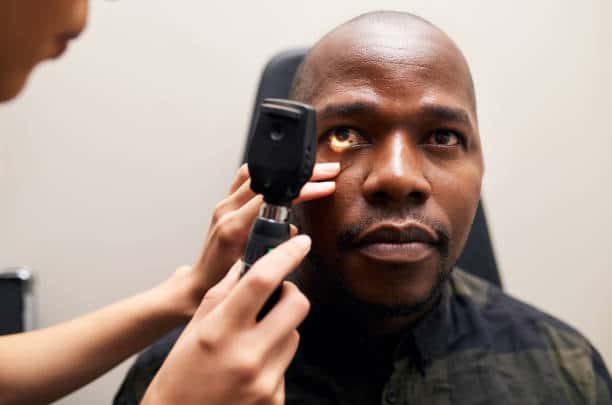
Eye Exams: Ophthalmologists may perform a series of eye tests to assess vision, eye movement, and the extent of proptosis (eye bulging).
Imaging Studies: CT or MRI scans may be ordered to examine the muscles and tissues around the eyes and detect any swelling or changes.
5. Treatment Options
The treatment of Thyroid Eye Disease depends on the severity of the condition and which phase it is in. Key approaches include:
Treating Thyroid Dysfunction: Controlling thyroid hormone levels through medications, radioactive iodine therapy, or surgery can help stabilize the condition and reduce the risk of TED progression.
Corticosteroids: During the active phase of TED, corticosteroids (like prednisone) can help reduce inflammation and swelling around the eyes.
Immunosuppressive Therapies: Drugs such as teprotumumab (Tepezza) are approved specifically for treating TED by targeting the immune response that causes the disease.
Radiation Therapy: Orbital radiotherapy may be used to reduce inflammation in some patients.
Surgery: Orbital decompression surgery is an option for patients with severe proptosis or optic nerve compression. Other surgical options include strabismus surgery (to correct double vision) and eyelid surgery to restore eyelid function.
Lifestyle Changes: Patients are strongly advised to stop smoking, as it is a known risk factor for exacerbating TED. Regular eye lubrication and wearing sunglasses to protect from light sensitivity may help ease discomfort.
6. Long-term Impact and Management
Though TED can be managed effectively, some patients may have lingering symptoms or complications. In the inactive phase, many patients experience stabilization, but some may be left with permanent changes like double vision, eye bulging, or misalignment of the eyes. Vision loss is rare but can occur in extreme cases if left untreated.
Patients need to have ongoing monitoring by both endocrinologists and ophthalmologists to manage both their thyroid condition and eye health. TED can have a significant impact on the quality of life, and addressing both the physical and emotional challenges is essential.
7. Current Research and Future Treatments
Advancements in research are providing new hope for TED patients. The development of targeted therapies like Tepezza marks a significant step forward, and ongoing studies aim to find more effective treatments with fewer side effects.
Thyroid Eye Disease is a complex and potentially debilitating condition, but with early diagnosis, appropriate treatment, and lifestyle adjustments, many patients can manage their symptoms effectively. Understanding the connection between thyroid function and eye health is critical, and seeking prompt medical attention for eye-related symptoms is essential for preventing long-term complications.
BlackDoctor is the world’s largest and most comprehensive online health resource specifically for the Black community. BlackDoctor understands that the uniqueness of Black culture - our heritage and our traditions - plays a role in our health. BlackDoctor gives you access to innovative new approaches to the health information you need in everyday language so you can break through the disparities, gain control and live your life to its fullest.
✦ AI Search Disclaimer This AI-powered search tool helps you find relevant health articles from the BlackDoctor.org archive. Please keep the following in mind:
✦ For Informational Purposes Only The information provided through this AI search is for general educational and informational purposes only. It is not intended as a substitute for professional medical advice, diagnosis, or treatment.
✦ Always Consult a Healthcare Provider Never disregard professional medical advice or delay seeking it because of something you have read through this search tool. If you have a medical emergency, call your doctor or 911 immediately.
✦ AI Limitations This search tool uses artificial intelligence to help match your queries with articles in our archive. While we strive for accuracy, AI-generated results may occasionally be incomplete, outdated, or not fully relevant to your specific situation.
✦ No Doctor-Patient Relationship Using this search tool does not create a doctor-patient relationship between you and BlackDoctor.org or any healthcare provider.
Explore over 35,000 articles and videos across black health, wellness, lifestyle and culture