Diabetes is a chronic disease that impacts millions of Americans, with the black community being at the highest risk. Research has found that 1 in 3 adults have prediabetes, which is a prolonged state of high blood sugar levels. While prediabetes isn’t quite diabetes, 70% of prediabetics go on to develop diabetes, which can be nearly impossible to reverse.
The good news is that for the millions of prediabetics, there are plenty of ways to stabilize blood sugar levels and turn around the risks. If you already suffer from diabetes, you can use these tips to control your diabetes under the guidance of your doctor.
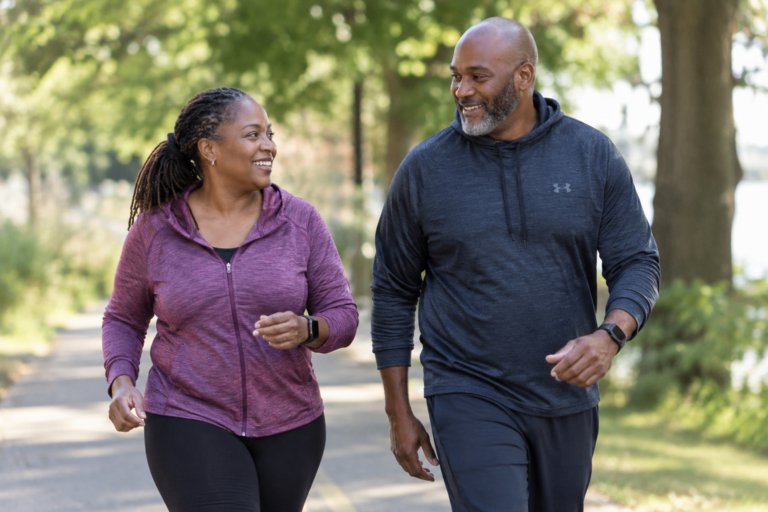
A key way to turn around your risk for diabetes is to get moving. Research from Duke University’s STRRIDE studies found that people who expend about 2,000 calories per week through physical activity can significantly improve insulin sensitivity, helping muscle cells respond more effectively to insulin and regulate blood sugar levels. This increased insulin sensitivity means that the body can better regulate blood sugar levels without releasing too much insulin over time.
To burn 2,000 calories in one week, you need to burn 400 calories each day for five days a week. You can do this by walking or jogging for 40 minutes, strength training for an hour, 30 minutes of high-intensity interval training, or one hour of yoga. The key is to exercise and challenge your body often to reap the diabetes-fighting benefits.
One of the quickest ways to consume more sugar than necessary is to drink sugary drinks like artificial juices and sodas. Research has found that people who drink an average of 2 sugary drinks a day were 99% more likely to develop type 2 diabetes.
The fix here is all too easy. Reach for the water bottle every time you would normally have a sugary drink. You’ll be more hydrated, your blood sugar levels will be more stable, and you’ll knock down your risk for diabetes with every glass of water you finish.
Although not all people with diabetes are overweight, people who carry excess weight have an increased risk of diabetes. When you have too much body fat, you typically have increased inflammation and insulin resistance. This makes the body more susceptible to diabetes.
On the other hand, every 2.2 pounds (1 kilogram) of weight loss may lower your risk of developing type 2 diabetes by about 16 percent, according to findings from the Diabetes Prevention Program. Every little bit can help. To shed pounds, focus on reducing your calorie intake and moving more often to jumpstart this life-saving weight loss.
Carbohydrates aren’t usually the first thing that comes to mind when you think of culprits for diabetes. However, carbohydrates break down in the body as sugar. It’s widely known that you can get sugar from fructose (fruits), glucose (sugar), or lactose (dairy). But you can also get sugar from starches (carbs), which include bread, corn, potatoes, grains, and cereals.
All carbohydrates, whether they start out as starches or sugars, can raise your blood sugar levels and lead to insulin resistance and, ultimately, diabetes. For this reason, watching your carb intake throughout the day can help you stabilize your blood sugar levels and reduce your risk for diabetes over time.
Controlling diabetes is mostly about preventing sugar spikes so that your body can easily maintain healthy blood sugar levels. When you sit down to a meal and eat large amounts of food in one sitting, your blood sugar levels can get out of control, forcing your body to produce more insulin to bring your sugar levels back down.
If this is the case with every meal, you are putting your body at a higher risk of prediabetes and eventually diabetes, as your cells develop resistance to insulin over time. When you sit down to your next meal, don’t pile on the servings. Instead, dish out a cup of protein, a cup of veggies, and a half cup of carbs. It may take time to get used to the smaller portions, but your risk of diabetes will go down with every single meal.
Research suggests that a sedentary lifestyle may increase the risk of developing type 2 diabetes by as much as 91 percent compared with being physically active. You are sedentary if you sit for more time than you stand or move around.
Fortunately, you can break the sedentary cycle with a few simple changes. For instance, you can set an alarm to stand up and stretch or walk around for at least 5 minutes every hour. You’ll increase blood flow and circulation throughout your body, and even improve your concentration to make the workday that much easier.
Another way to be less sedentary is to add movement to everyday tasks. For instance, whenever you’re on a conference call, you can stand up and walk around rather than sit for the entirety of the call. You can also do this when you listen to voicemails. Continue this practice until it becomes routine, and slowly but surely, your risk for diabetes will fall with each workday.
Fiber is like a magic pill to help your body regulate blood sugar levels while you eat. Foods like leafy vegetables, lentils, apples, avocados, and whole grains all have the power to slow down your digestion and keep your blood sugar from spiking out of control.
The slower your digestion, the fuller you feel, and the slower the body absorbs things like nutrients, sugar, and vitamins from your foods. Aim to include fiber in every meal to help your body better regulate your blood sugar levels, thereby reducing your risk for diabetes.
Vitamin D deficiencies are common among black people. This is because the best source of Vitamin D comes from sun exposure, and the melanin in the skin reduces the ability to absorb this precious vitamin. When it comes to diabetes prevention, Vitamin D improves the body’s ability to produce insulin and regulate blood sugar levels.
Thus, it’s especially important for black people to seek out other sources of Vitamin D, whether it’s from natural sources or daily supplements. You can find Vitamin D in healthy fats found in fatty fish and cod liver oil. And you can always increase your time outdoors to soak up more sun.
Our bodies are designed to break down real food in order to absorb the necessary vitamins and nutrients. Our bodies are less equipped to digest and benefit from processed foods. Thanks to all the synthetic ingredients, processed foods can increase your risk of many health conditions, including diabetes.
A sure way to decrease your risk of diabetes, then, is to eat fewer ultra-processed foods and incorporate more whole, minimally processed foods into your diet. Research suggests that dietary patterns emphasizing fruits, vegetables, whole grains, legumes, nuts, and other whole foods are associated with a significantly lower risk of type 2 diabetes, with some studies finding risk reductions of around 30 percent compared with less healthy eating patterns.
It seems like the consensus on the benefits of coffee and tea changes daily. When it comes to preventing diabetes, drinking coffee and tea may help. Studies have found that regular coffee consumption is associated with a significantly lower risk of developing type 2 diabetes, with some research showing risk reductions of up to 30 percent or more among frequent coffee drinkers. The reason is that coffee and tea contain antioxidants that can help your body protect against diabetes.
If you’re concerned about other negative effects of caffeine, then just start with one cup of coffee or tea a day, particularly if you already have a high risk for diabetes. And just in case you haven’t been paying attention, skip the sugar and creamer when you have your next cup of tea or coffee.
Sharita Jennings is a fitness and travel enthusiast and creator of Get Fit Like That, LLC. She is a health policy attorney and ACE certified group fitness instructor and fitness nutrition specialist. She provides online fitness plans and leads group fitness classes in Washington DC. Check out her fitness tips and workouts at GetFitLikeThat.com.



By subscribing, you consent to receive emails from BlackDoctor.com. You may unsubscribe at any time. Privacy Policy & Terms of Service.
Enter your name and email to receive the download link.