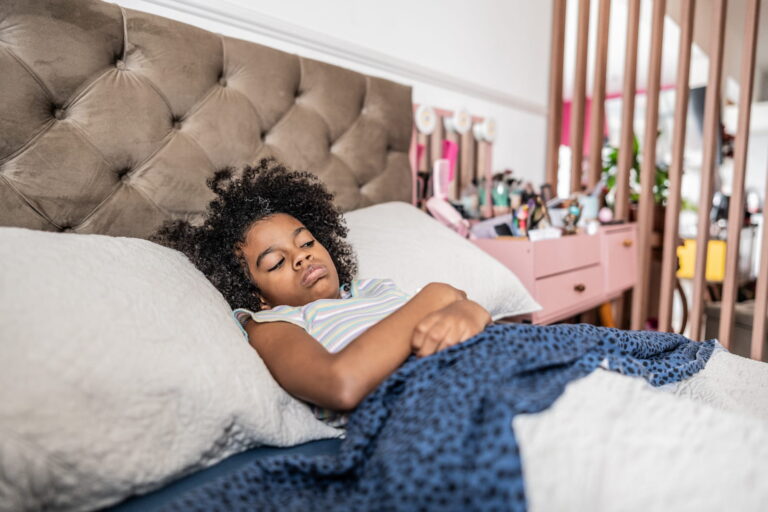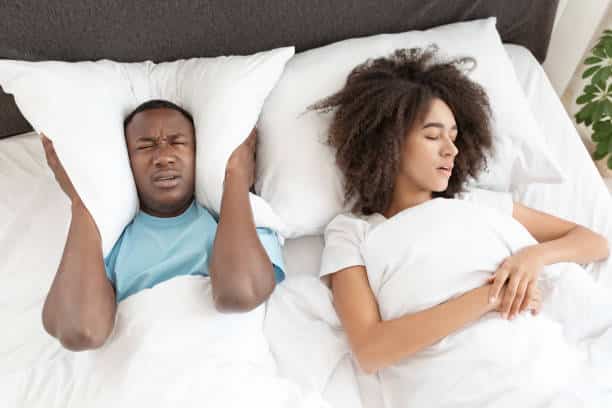
Evaluating our own sleep is difficult because well, we’re asleep. While we may notice “small” things like waking up to cough or catch our breath, these symptoms are often dismissed about as soon as we fall back into a deep sleep. Sleep apnea speculations are usually brought on by a loved one who has noticed that you have an abnormal breathing pattern while you’re asleep or worse, your sleeping pattern has disrupted their ability to sleep altogether. While these concerns are often addressed in a humorous manner initially, sleep apnea is no laughing matter.
READ: Consequences of Sleep Deprivation
Being sleep deficient can lead to a number of serious illnesses. Sleep apnea alone can increase the risk of high blood pressure, heart attacks, stroke, obesity and diabetes according to the HeartBEAT study.
Here are some signs that may mean you’re due for a sleep test.
Morning headaches are a very common sign of sleep apnea.
“It started with waking up with severe headaches where taking Advil or other over-the-counter medicine did not help… Obviously, I never put two and two together to recognize that I was having an issue. Today, I sleep with a CPAP machine. I no longer have headaches and I have lost about twenty pounds,” says Janice Elliot-Howard, author of The Confident Tells.
READ: What Happens If Sleep Apnea Is Left Untreated?
Sleep apnea affects your ability to get a good night’s sleep. So, experiencing daytime sleepiness, i.e., falling asleep anytime you’re in a quiet and comfortable position during normal daytime activities, may be a sign of sleep apnea.
It’s common for those with sleep apnea to feel as though they’ve gotten a full night’s sleep, regardless of the many interruptions. So, they may not associate feeling tired with symptoms of sleep apnea, according to Mayo Clinic.
One of the most common signs of sleep apnea is breathing cessations, or longer than normal pauses between breaths. It’s also one of the most frightening, for the person who has sleep apnea and the person who observes it.
“I was afraid to go to sleep. Eventually, I was told to see a doctor and address my health issues or
be dead in a short time,” says Maxwell Ivey, LTD, a blind blogger who was diagnosed with sleep apnea.
Ivey was able to decrease his symptoms of sleep apnea after having gastric surgery, losing 250 pounds and adopting a healthy lifestyle.
Your significant other or family member may joke about wanting to sleep in a separate room because you snore too loudly. But, loud and chronic snoring is no laughing matter, as it could be a sign of sleep apnea.
According to Dr. Larry Goldfarb, DC, CSSP and owner of Medical Wellness Center of NJ, having a neck circumference bigger than 17” for men and 16” for women increases your risk of developing sleep apnea. The extra weight increases fat tissue, especially around the base of the tongue and airway lining, which is the leading cause of snoring especially for back sleepers.
It’s important to note that not everyone who snores has sleep apnea.
Choking and gasping for air during sleep is another common symptom of sleep apnea. This usually happens after a breathing cessation, according to the National Heart, Lung and Blood Institute.
It’s important to mention that those who have sleep apnea experience a rise in blood pressure while sleeping. Sleeping can be monitored with self-assessments, like Novasom. However, for more accurate test results, you should contact your medical provider to schedule a sleep test.

By subscribing, you consent to receive emails from BlackDoctor.com. You may unsubscribe at any time. Privacy Policy & Terms of Service.