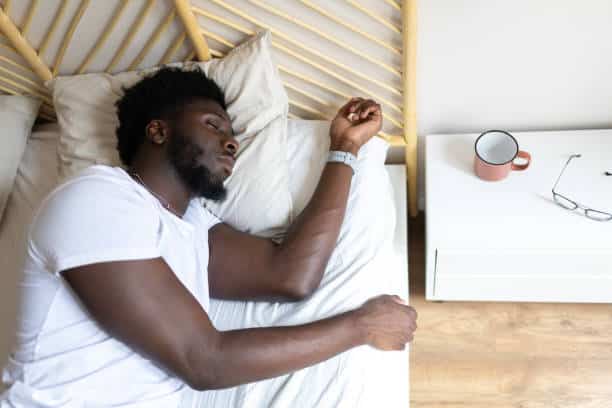
Tossing and turning? Waking up for no reason? Struggling to fall asleep even when you feel absolutely exhausted? If this sounds anything like you, you’re not alone. In fact, you’re just one of millions upon millions of people who have trouble falling asleep or staying asleep, each and every night. And sure, while certain medications and over-the-counter drugs can help from time to time, over time, their use can actually be detrimental. They can lose effectiveness, they can cause side effects, and when used for too long, you’ll probably need larger and larger doses for fewer and fewer results. During the wintertime, when there are shorter daylight hours, these sleep difficulties can really start to impact your life. Work pressure, family demands, seasonal changes – they’re all serious factors in sleep dysfunction and sleep disorders. But here’s the good news. Your body’s internal clock, or circadian rhythm, thrives on regularity. Going to bed and rising at the same time daily—even on weekends—can reinforce this rhythm, making it easier to fall asleep and wake up naturally. According to the Mayo Clinic, most adults need at least seven hours nightly, so if you find yourself regularly getting less, it’s time to change. Let’s discuss five vital habits you can start today to help turn it around… RELATED: 9 Steps to Fixing Your Sleep Schedule
As previously mentioned, the thing you should do first and foremost is normalize your sleep schedule. Now, of course, this is easier said than done. Especially if you have kids! Or an irregular job. Or stress. Or distractions. Or on and on and on… Fortunately, getting back on a regular schedule can be achieved; you just need a little practice. To get going, choose a realistic window. For example, 10 p.m. to 6 a.m. to start. Then, gradually shift by 15-30 minutes if needed. And don’t beat yourself up if you miss your exact time here and there. The focus is to slowly get into the habit over weeks and months. Just take it day by day, and with time, you’ll notice solid gains in energy and mood. For the best sleeping environment, experts recommend a room temperature around 60-68°F (15-20°C). Try to block all light with blackout curtains or eye masks, and use earplugs or white noise to minimize disruptions. Remove electronics from your room as well, and make it your sleep space only. Reading a book in bed is fine, but other than that, it should strictly be for catching Zs.

Be honest. How often are you lying in bed, scrolling on your phone, or watching television? Or even if you’re not in bed doing it, how many times have you been watching television, then you decide you’re sleepy, and you click off the T.V. and go upstairs to go to bed? Well, turns out, this is a great way to not be able to fall asleep! Turns out, screens are a sneaky barrier to good sleep. The reason for this is that devices emit blue light that suppresses melatonin more powerfully than other wavelengths. When this happens, it actually tricks your brain into staying alert as if it’s still daytime. Research shows that even a couple of hours of evening use can delay sleep onset, reduce the length of your sleep, and impact the quality of your sleep. According to Harvard studies, significant circadian shifts can occur from blue light exposure. To address this, dim the brightness, switching to night mode (which warms screen colors), or hold yourself to a firm cutoff one to two hours before bedtime. Instead of scrolling on your phone, read a physical book, do some gentle stretching, or engage in light journaling. These create a clear wind-down signal, telling your brain it’s time to chill. RELATED: Can’t Sleep? Here Are 6 Reasons You May Have Missed
Chamomile offers gentle, evidence-based support when used properly. Often sipped as tea, it contains something called apigenin, which is an antioxidant that binds to brain receptors to promote relaxation. In recent 2025 literature reviews, chamomile has been shown to improve overall sleep quality in numerous users. In fact, one of its main benefits is cutting nighttime awakenings and boosting restfulness, particularly for older adults. Not sure how to enjoy it? Simply brew a warm cup about an hour before bed as a calming pre-sleep routine. It’s generally safe with few side effects. That said, people on blood thinners should check with a doctor for potential interactions. Chamomile capsules and gummies are also an option if you’d like a more potent dose.

Valerian root comes from the roots of the Valeriana officinalis plant. If you haven’t heard of this plant, now’s the time to get informed! This herb has been used for centuries in traditional medicine, and is largely known for its ability to calm and sedate. It’s also very versatile. You can drink it as a tea, take it as an extract, or use it as a capsule. Based on the latest research, valerian root works by impacting the brain’s neurochemicals, especially one called GABA, a neurotransmitter that reduces nerve activity and helps you relax. Research indicates that consistent supplement use over weeks (i.e., doses of 300-600 mg) can help with mild insomnia and sleep trouble. In some people, mild side effects like drowsiness or headaches can occur; so just make sure you don’t mix it with other sedatives, alcohol, or if you’re pregnant.
Magnesium plays a key role in relaxing muscles and is a great way to regulate the calming neurotransmitter GABA. Magnesium also helps to regulate cortisol, which is a hormone associated with stress. Studies show that higher intakes are better for longer sleep durations, less daytime sleepiness, and better overall quality of sleep. Not sure which forms to use? Most trials indicate that supplementation (e.g., 300-500 mg) is the best way to go. The most effective types are called glycinate or citrate, ideal for improving sleep efficiency and easing insomnia, particularly in older adults or people with mineral deficiencies. Of course, you can always get it from natural sources as well. Foods like leafy greens, nuts, seeds, and whole grains provide a gentle source of the mineral, so make sure you’re eating a balanced diet too! Start low to prevent digestive issues, and consult a provider if you have kidney concerns. By combining the natural approaches in this article, especially in low-light seasons, you’ll be well on your way to beating your sleep time woes! Remember: better sleep isn’t about flawless nights; it’s about resilient routines. Stay the course, don’t get discouraged, and consult your doctor when concerns arise. With some effort and time, you’ll be feeling more energetic, sharper of mind, and stronger of body.


By subscribing, you consent to receive emails from BlackDoctor.com. You may unsubscribe at any time. Privacy Policy & Terms of Service.