When you hop in the shower, you’re probably like most of us who think that we’re doing a pretty good job of cleaning yourself. But when it comes to some specific body parts, one doctor thinks we need to wash them more.
Dr. Jen Caudle is a family physician and medical school professor who shares insights on social media. But recently, her TikTok started blowing up. She has racked up nearly 90,000 loyal followers and more than 1.3 million likes on the platform, and recently posted a video sharing the Top 5 areas people don’t wash enough — starting with the belly button.
“That’s right, a lot of guys don’t wash their belly button at all,” she declares in the now-viral clip, which already has over 1 million views mere days after being posted.
“Guys, it gets gross! Please wash your belly button,” pleads Caudle, a k a the self-proclaimed “America’s family doctor.”
Dr. Caudle was adamant about washing the belly button and behind the ears (including the lobe). If you want to ensure you have clean ears, touch your fingertip to your lobe: If your finger smells, it’s time to wash.
@drjencaudle You’re Not Washing These Enough! 🤢 #bath #bathe #shower #wash #loofah #bodywash #loofahsponge #loofahtiktok #washtiktok #tiktoktaughtme #fyp #fypシ ♬ original sound – DrJenCaudle
And she’s right. Nearly 69% of people reported they haven’t specifically cleaned their belly button when they wash up. So here’s how to do it:
If you have an “outie” belly button, then yours is probably pretty clean. Those with deeper navels may need to get a little more aggressive about cleanliness. Dip your finger or a soft washcloth in a solution of salt water (about a teaspoon of table salt in a cup of warm water) and gently massage the inside of your navel. This should loosen stubborn germs that can cause odor. Then rinse with plain water and pat it dry.
Resist the temptation to apply lotions or creams to your belly button. The extra moisture can contribute to bacterial or fungal growth.
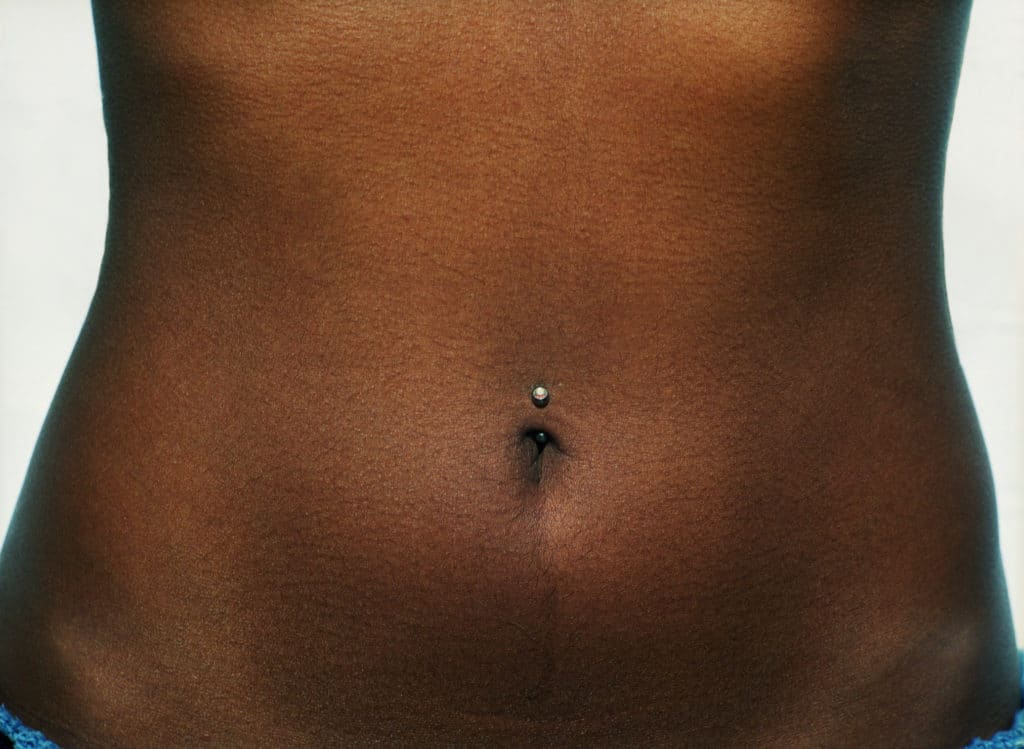
If you have a navel piercing, you’ll need to pay special attention to your belly button. You can use the same saltwater solution mentioned above:
Wet a clean cloth in the solution and apply it to the area as a warm compress several times a day. This should remove any discharge or crust and allow you to gently move the jewelry through the piercing.
Pat it dry when you’re finished.
Remember, if your belly button still smells and doesn’t respond to these approaches, you should visit your doctor. If you develop redness, swelling, pain, or discharge, your belly button could be infected. This is especially likely if you have a navel piercing.
Dr. Caudle also listed these other areas:
Why it gets so dirty
The skin behind your ears contains sebaceous (oil) glands, which produce sebum to keep the skin healthy. Throughout the day, that oil mixes with:
Because the area is often covered by hair and receives little airflow, it stays warm and moist—conditions that allow bacteria and yeast to thrive.
What happens if you don’t wash it?
Neglecting this area can lead to:
How to clean it
Why it matters
Research has found that the area beneath fingernails can harbor high numbers of microorganisms. If you touch your eyes, nose, or mouth—or prepare food without properly cleaning your nails—you may transfer germs to yourself or others.
Poor nail hygiene has also been linked to:
Healthcare workers and food service employees often have strict nail hygiene standards because clean hands alone may not remove everything trapped under the nails.
How to clean your nails properly
The doctor explained that thoroughly washing between the toes can help prevent infections.
It’s also important to note that 61% of men do not clean their penis and gental area properly. This results in infections, diseases and other nasty stuff. So here’s how to do it right:
Step 1. Wash your penis and the area around it with warm water and shower gel or soap that is not heavily perfumed. No need to scrub or exfoliate — your hands will do here.
Step 2. Be sure to wash the tip of your penis and, if you’re uncircumcised, pull back and clean underneath the foreskin.
Step 2. Rinse well.
Step 3. Dry your undercarriage completely — and we do mean completely — before putting on underwear. This includes drying the area underneath your foreskin.
Step 4. Yeah, that’s it. It really isn’t that difficult.
For Kids: You don’t have to pull back the foreskin on a child’s penis as, according to Healthdirect, there is no need to clean underneath the foreskin in young children.
For everyone: You should not wash it too often; once a day is perfect. And do not use talcs, deodorants, or heavily perfumed products that could cause even more irritation considering the skin is super sensitive.
TikTokers were surprised that so many people overlooked these five body parts.
“Me thinking it’s common knowledge to wash all of these,” a user said.
“We had ‘grooming’ day when our boys were little and we would target all those spots and more,” a person wrote.
“Belly button and behind ears, thank you for mentioning those…. People think I’m crazy when I tell em those need to be washed,” someone commented.
For more on Dr. Caudle, feel free to follow here TikTok, here.


By subscribing, you consent to receive emails from BlackDoctor.com. You may unsubscribe at any time. Privacy Policy & Terms of Service.