
Migraines are more than just headaches—they are a debilitating neurological condition that affects millions of people worldwide. For Black individuals, the challenges of living with migraines extend beyond the pain itself. Misdiagnosis, undertreatment, and systemic biases in healthcare make it harder for Black patients to get the care they need.
Despite the high prevalence of migraines in Black and Hispanic communities, studies show that these populations are less likely to receive a proper diagnosis and effective treatment. The good news? By raising awareness, advocating for better care, and holding the medical system accountable, we can change this narrative.
Research consistently reveals that Black and Hispanic individuals are diagnosed with migraines at lower rates than white patients—despite experiencing migraines at similar or even higher rates. Several key factors contribute to this disparity:
A study published in Headache found that Black Americans were less likely to receive a migraine diagnosis and migraine-specific medications compared to white patients.¹ Additionally, many Black patients reported feeling unheard by their doctors, which discouraged them from seeking care.
Dr. Jessica Wilson, a Black neurologist specializing in migraine treatment at Loyola Medicine, highlights an alarming reality.
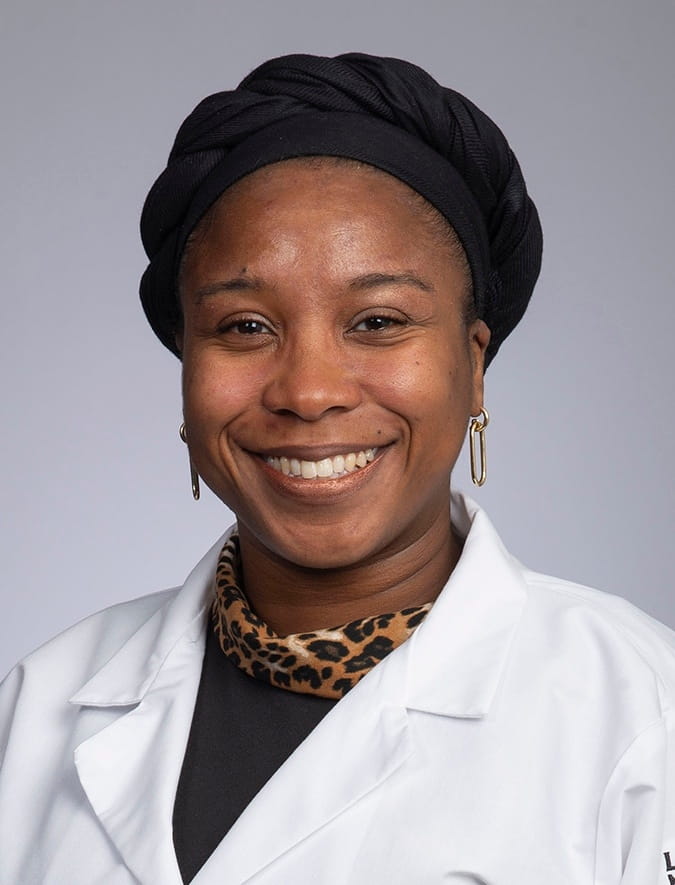
“There’s a false perception that Black people tolerate pain better, and this bias leads to undertreatment. Some providers assume we can ‘handle’ migraines without proper medication, which is simply not true,” she notes.
RELATED: Top Migraine Treatments Your Doctor Wants You To Know
In addition to medical bias, generational distrust of the healthcare system plays a significant role. Many Black patients grow up seeing their families and communities dismiss migraines as simple stress headaches.
“I’ve had patients who’ve suffered from migraines for years but never sought treatment because they assumed headaches were normal,” Dr. Wilson adds.
Further research supports this issue: Black Americans are 67 percent less likely to seek medical care for migraines than expected, even when accounting for population size and migraine prevalence.² This gap in treatment results in unnecessary suffering and lower quality of life.
One of the biggest barriers to getting proper care is understanding the difference between migraines and regular headaches.
According to Dr. Wilson:
If you’re experiencing headaches that interfere with your daily life, it’s time to see a doctor—especially if they come with nausea, light sensitivity, or severe pain.
Avoiding medical care for migraines can have serious consequences beyond just missing work or social events.
“One of the biggest losses from untreated migraines is time,” Dr. Wilson explains. “Time away from work, family, and even self-care. Many patients also develop anxiety and depression due to the unpredictable nature of their migraines.”
Long-term, unmanaged migraines can increase the risk of stroke, cardiovascular disease, and medication overuse headaches from excessive reliance on over-the-counter painkillers.
Many Black patients have experienced dismissal or downplaying of their symptoms by healthcare providers. Some are told their pain is “stress-related,” while others receive ineffective treatments due to implicit bias.
Dr. Wilson encourages patients to take an active role in their healthcare journey:
“We may not fully trust the healthcare system, but we must demand proper treatment and hold providers accountable. Your health matters,” Dr. Wilson urges.
Having more Black doctors and neurologists is crucial for improving patient trust and outcomes.
“Representation matters. Patients feel more comfortable with doctors who understand their experiences,” Dr. Wilson says. “Even when treating non-Black patients, like Spanish-speaking individuals, I see how much cultural connection makes a difference.”
If you can’t find a Black doctor, prioritize finding a provider who listens, respects your concerns, and takes your symptoms seriously.
Migraines should not be accepted as a normal part of life. With proper diagnosis, treatment, and advocacy, you can take control of your health.
Dr. Wilson leaves us with this final piece of advice:
“The goal for every migraine patient should be zero headaches. Even if you only get a few a month, don’t settle for inadequate care. Track your symptoms, find a doctor who listens, and demand better treatment. You deserve relief.”
If you think you’re experiencing migraines or chronic migraine attacks, speak to a Neurologist or Headache Specialist today. Don’t wait—your health is worth it.
References


By subscribing, you consent to receive emails from BlackDoctor.com. You may unsubscribe at any time. Privacy Policy & Terms of Service.