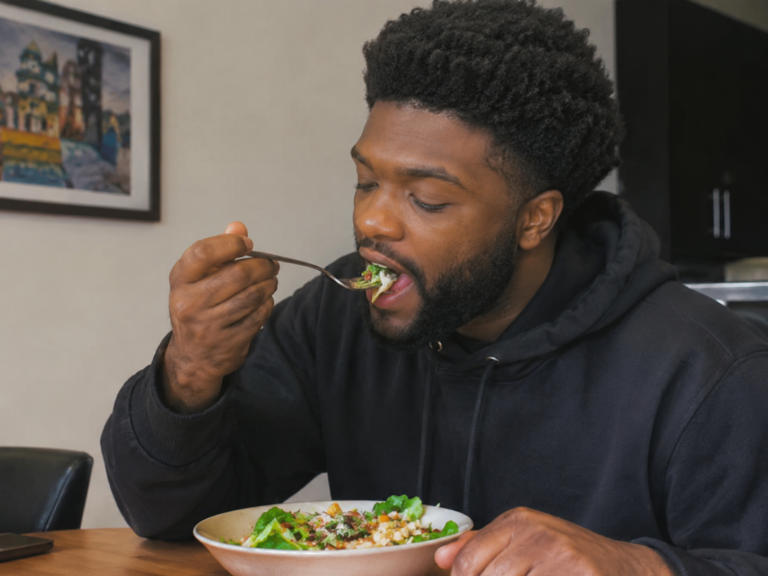
When discussing fibroids, it’s essential to recognize the profound implications these tumors hold, especially for Black women. Statistically, fibroids disproportionately impact this community, with a significant number of Black women being diagnosed at some point in their lives. The reasons for such prevalence are multifaceted, encompassing genetic, environmental, and potentially even dietary factors.
These benign tumors, though non-cancerous, carry an outsized impact. Fibroids can manifest in a spectrum of symptoms that deeply impinge on daily life and well-being. From the bloating that disrupts a woman’s confidence in her body, to the intense menstrual pain that can immobilize her for days, fibroids can be an unrelenting force. Additionally, they can cause heavy periods, which may lead to anemia, fatigue, and even disruptions in fertility. The cyclical nature of these symptoms can be emotionally and physically taxing, impacting relationships, work, and overall quality of life.
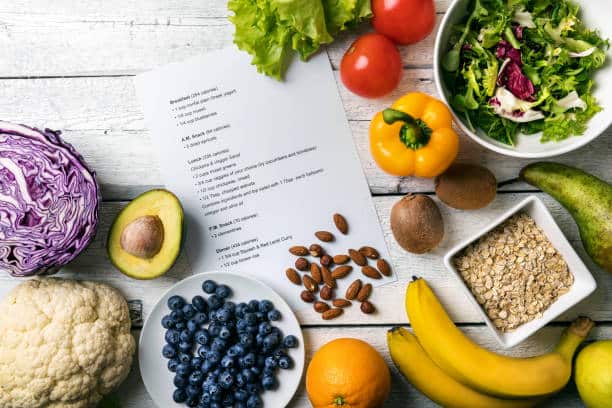
Given the breadth and depth of this impact, it’s no surprise that the role of diet in managing fibroid symptoms has become a focal point. When viewed through the prism of fibroids, the adage “You are what you eat” assumes a profound significance. Every meal, every bite, can either be a step towards relief or exacerbation.
The role of diet in managing and potentially mitigating fibroid symptoms cannot be overstated. Research suggests that specific dietary choices might help reduce the risk of developing fibroids and manage their symptoms.
With fall upon us, let’s explore the seasonal foods beneficial for fibroid management.
RELATED: Living with Fibroids: Surgery Isn’t The Only Way To Stop Them
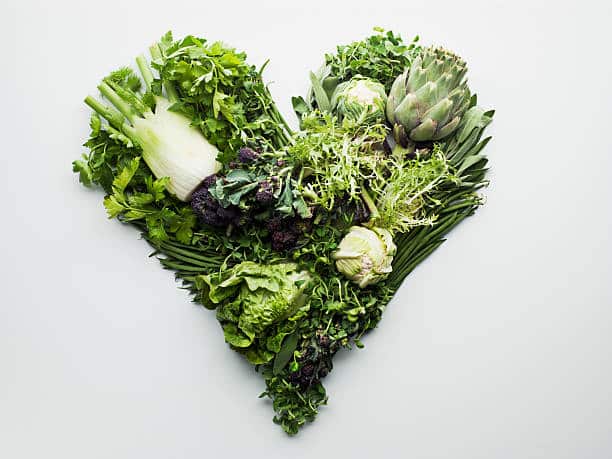
Green Leafy Vegetables: Fall favorites like collards, alongside kale and chard, are nutrient-dense and can help balance estrogen levels, offering relief from fibroid-related discomforts.
Flaxseeds: Rich in fiber and omega-3 fatty acids, flaxseeds may help reduce fibroid symptoms. They also contain lignans, which can act as anti-estrogens in the body.
Citrus Fruits: Oranges, lemons, and grapefruits are not only delicious but are also rich in vitamin C and bioflavonoids, which may help in improving the immune system and potentially reducing the size of fibroids.
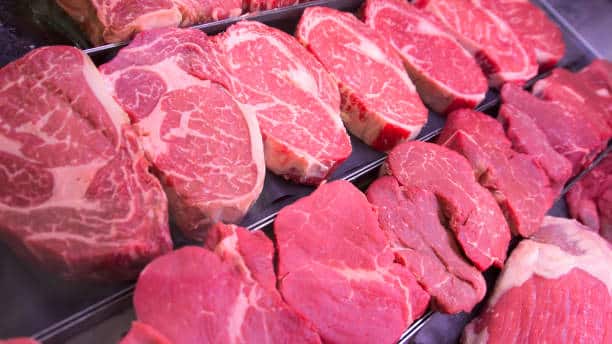
Red Meats: Consuming high amounts of red meat might be linked to an increased risk of fibroids. Opt for lean proteins like fish or poultry.
Dairy: Some studies have suggested a potential link between dairy consumption and fibroid risk. If you choose to consume dairy, go for organic and hormone-free products.
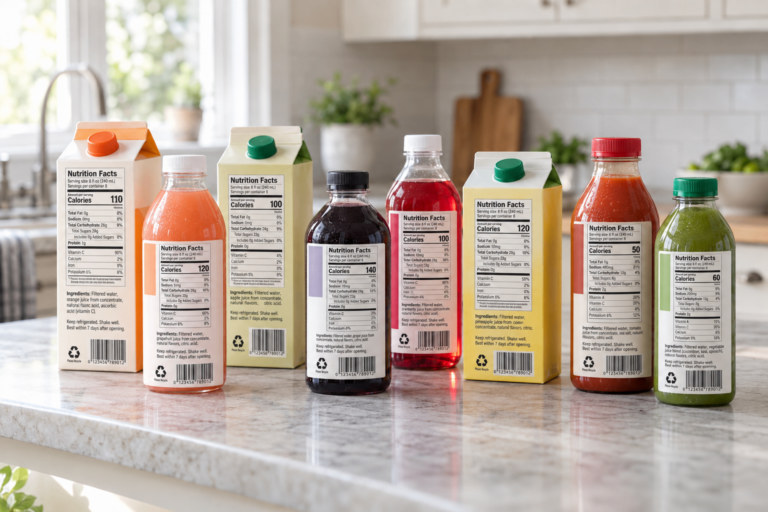
Processed Foods: High in unhealthy fats, salt, and preservatives, these can exacerbate inflammation. Instead, focus on whole foods.
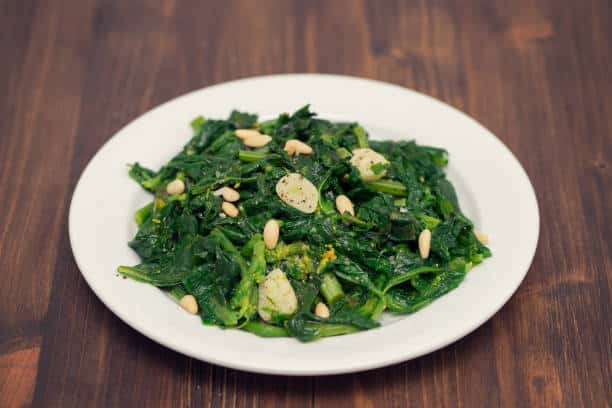
Ingredients:
Instructions:
In a large skillet, heat the olive oil over medium heat. Add the garlic and red pepper flakes (if using) and sauté until fragrant.
Toss in the sliced almonds, cooking until they begin to lightly brown.
Add the chopped collard greens, season with salt and pepper, and sauté until they’re tender and have a vibrant green hue.
Finish with a sprinkle of fresh lemon juice and serve warm.
Conclusion
Autumn’s bounty offers us a treasure trove of foods that can support our journey in managing fibroids. By being intentional with our dietary choices and staying informed, Black women can pave the way toward holistic wellness. With each meal, there lies an opportunity to heal and protect.


By subscribing, you consent to receive emails from BlackDoctor.com. You may unsubscribe at any time. Privacy Policy & Terms of Service.