
Your eyes are extremely complex organs that need many different vitamins and nutrients to function properly and remain healthy. Common eye conditions, such as glaucoma, cataracts, diabetic macular edema, diabetic retinopathy, and age-related macular degeneration, can impact your eyes and worsen your vision. There are a variety of factors that cause these eye-related conditions. Nutrition seems to have an influence on nearly all of them. Here are the 10 key vitamins and nutrients that help maintain excellent eye health:
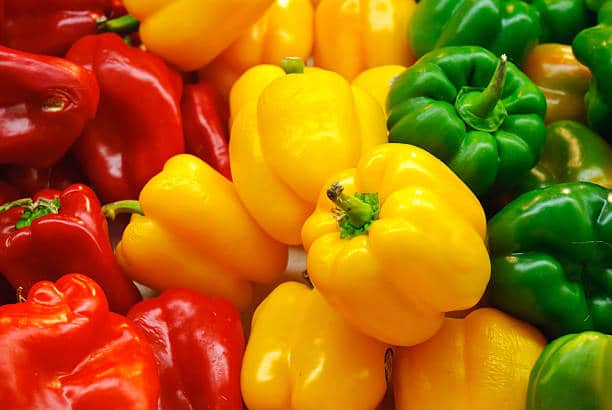
Vitamin A is crucial for vision. Vitamin A maintains a clear cornea (the outside covering of your eye). Vitamin A is also a component of rhodopsin, a protein in your eyes that allows you to see in low-light conditions. Although vitamin A deficiency is rare in developed countries like America, it can lead to a serious condition called xerophthalmia if left unaddressed. Xerophthalmia is an eye disease that begins with eye blindness. If vitamin A deficiency continues, your tear ducts and eyes will eventually dry out. Eventually, your cornea softens, resulting in permanent blindness. Vitamin A may also help protect against cataracts and macular degeneration. Vitamin A-rich foods are recommended for general eye health. Leafy greens, sweet potatoes, and bell peppers are excellent sources of vitamin A. RELATED: Want to Avoid Glaucoma? Look at What You Eat
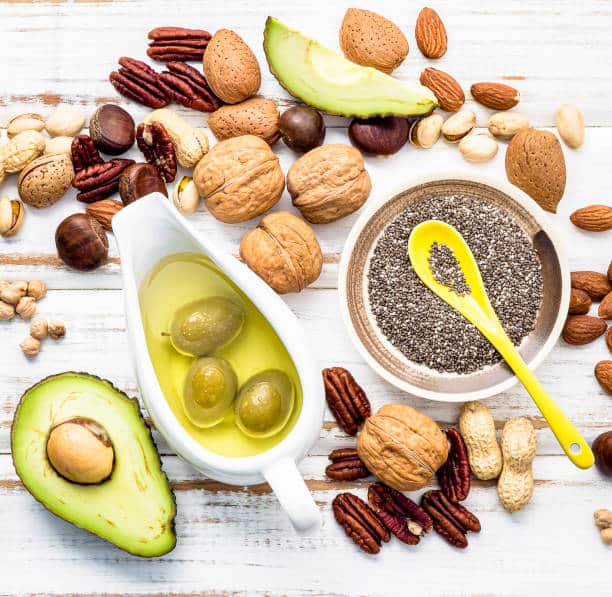
Vitamin E is an antioxidant that protects your eye cells from damage. Some studies suggest that diets high in vitamin E may help prevent age-related cataracts. A diet that includes nuts, seeds, salmon, avocado, and leafy green vegetables is recommended to maintain good eye health.

Vitamin C is another powerful antioxidant that protects your eyes. Vitamin C is required to make collagen, a protein that provides structure to your eye in the cornea and sclera. Studies indicate that vitamin C may help lower your risk of developing cataracts, a condition that causes your eyes to become cloudy and impairs vision. Citrus and tropical fruits, broccoli, and kale contain high amounts of vitamin C. Eat them to boost your daily vitamin C intake. RELATED: 5 Ways To Protect Overworked Eyes

Several B vitamins impact eye health. The combination of vitamins B6, B9, and B12 can lower inflammation in your body. These B vitamins may help reduce your risk of developing age-related macular degeneration.

Riboflavin is an antioxidant that has the potential to reduce oxidative stress in your eyes. Scientists are studying riboflavin’s potential to prevent cataracts. Prolonged riboflavin deficiency may lead to cataracts. Many individuals with cataracts are deficient in this antioxidant. Foods high in riboflavin include oats, milk, yogurt, and beef.

Niacin functions to help convert food into energy. It can also act as an antioxidant. Studies have suggested that niacin may play a role in the prevention of glaucoma. Glaucoma is a condition in which the optic nerve of your eye becomes damaged. Foods naturally high in niacin may help prevent glaucoma. Some sources of niacin include beef, poultry, fish, mushrooms, peanuts, and legumes.

Lutein is a compound found in plants. This compound is also present in the macula and retina of your eyes, where it helps filter harmful blue light and protects your eyes from damage. Lutein is beneficial for people with cataracts and has been shown to improve vision. Fruits and vegetables naturally provide you with the six mg of lutein you need per day.
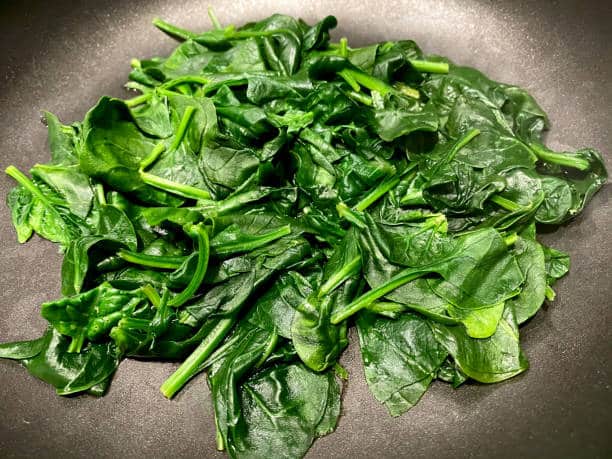
Zeaxanthin is also found in the macula and retina of your eyes. Several studies suggest that zeaxanthin may prevent cataracts and prevent or slow the progression of macular degeneration. Cooked spinach, kale, and collard greens are particularly high in zeaxanthin. RELATED: 3 Ways To Naturally Improve Your Eyesight
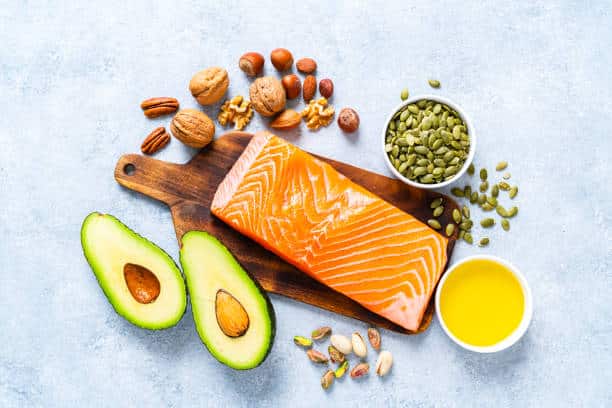
Omega-3 fatty acids are a type of polyunsaturated fat. The cell membranes in your retina contain high amounts of omega-3. Omega-3 fats form the cells of your eye. They also have anti-inflammatory properties, which may help prevent diabetic retinopathy. Diets high in oily fish may protect against diabetic retinopathy. Omega-3 fats may also prevent dry eye by helping to produce more tears. Dry eye is a condition where a lack of tears causes dryness, discomfort, and blurry vision. To increase omega-3 fatty acids in your diet, eat fish, flaxseed, chia seeds, soy, and nuts. Omega-3 fatty acids are also found in cooking oils such as canola and olive oil.

Thiamine, also known as vitamin B1, plays a role in cell function and converting food into energy. Thiamine may reduce the risk of cataracts. One study found that a diet high in thiamine reduces the risk of developing cataracts by 40%. Food sources rich in thiamine include whole grains, meat, and fish. Thiamine can also be found in cereals, bread, and pasta.
Certain vitamins and nutrients may help prevent or slow the progression of several different eye conditions. Supplement your diet if you’re missing any of these vitamins. Eating a balanced diet rich in fruits, vegetables, whole grains, protein, and healthy fats will provide you with all the nutrients your eyes need.


By subscribing, you consent to receive emails from BlackDoctor.com. You may unsubscribe at any time. Privacy Policy & Terms of Service.