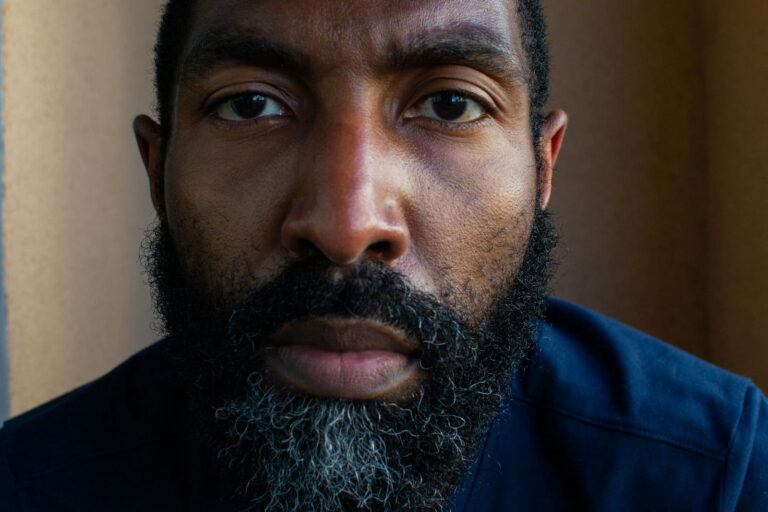
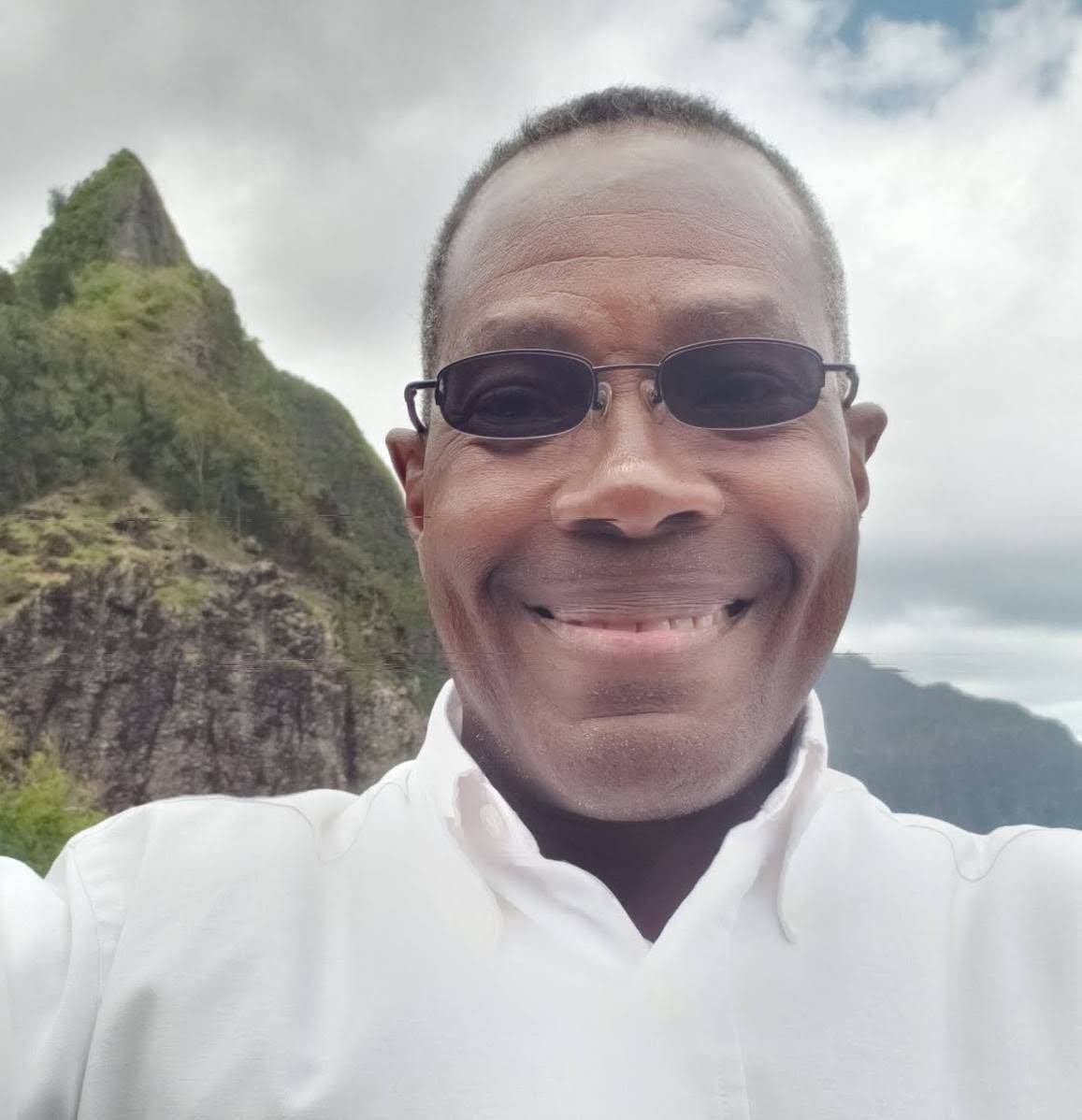
 Photo courtesy of Richard
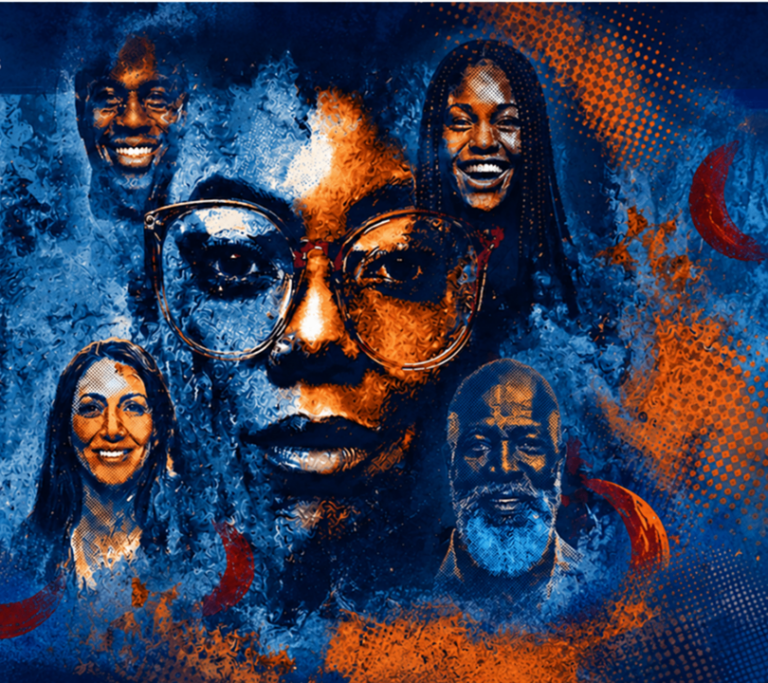
Multiple myeloma is a sneaky and rare form of cancer—its symptoms often mimic everyday ailments, making it easy to overlook. For Black Americans, the stakes are even higher: they are twice as likely to develop this disease. Black men, in particular, face an alarming risk, being 2.6 times more likely to be diagnosed. Despite representing just 13.6 percent of the U.S. population, Black individuals account for a striking 20 percent of multiple myeloma cases—a disparity that demands urgent attention.
Richard’s journey began in late 2020 with unrelenting back pain, fatigue, and breathing difficulties.
“I made some mistakes, and this is where my story becomes important—because there’s good, bad, and ugly in it. Back in November 2020, I started experiencing shortness of breath, which was very unusual for me,” Richard tells BlackDoctor.org. “I also felt fatigued and thought I might have had a case of COVID before people really knew what COVID was.”
After discovering that he had COVID, Richard initially dismissed his fatigue and breathing issues as lingering effects of COVID-19 or past injuries. However, the pain escalated to an unbearable level during basic activities, like gardening or any small exertion, prompting a visit to a chiropractor.
“Thirty years ago, I had a major injury that took five years to recover from. I was in a body cast. At the time, I thought this current back pain was just part of aging—like, ‘This is what it’s supposed to feel like at 60,’” Richard shares.
Fortunately, his chiropractor noticed signs that required further medical evaluation and refrained from making any adjustments, a decision that likely prevented severe complications.
“He said, ‘I really don’t feel comfortable doing an adjustment,’” Richard recalls. “They sent me for more imaging and blood tests. The morning I was supposed to get further imaging done, my primary doctor called and said, ‘You need to go to the hospital right now.’ I hesitated, saying, ‘Let me reschedule my day,’ but she insisted I go immediately.
Subsequent imaging revealed spinal lesions, and blood tests confirmed multiple myeloma. At this point, Richard’s kidneys were failing, a critical and life-threatening condition that required immediate intervention.
RELATED: An NFL Widow’s Fight: ‘Until There’s a Cure, I’m Not Going Anywhere’
“When I was later diagnosed, I realized I had dodged a bullet. I had spinal lesions from multiple myeloma, and if he had adjusted me, I could’ve had a compression fracture, a common injury for people with myeloma. Sometimes people discover they have myeloma after a seemingly innocuous chiropractic adjustment leads to serious damage. Fortunately, I didn’t make things worse,” Richard adds. “My story is important because I made many mistakes in self-diagnosing, and I’m very fortunate that I didn’t pay the ultimate price, though I came very close.”
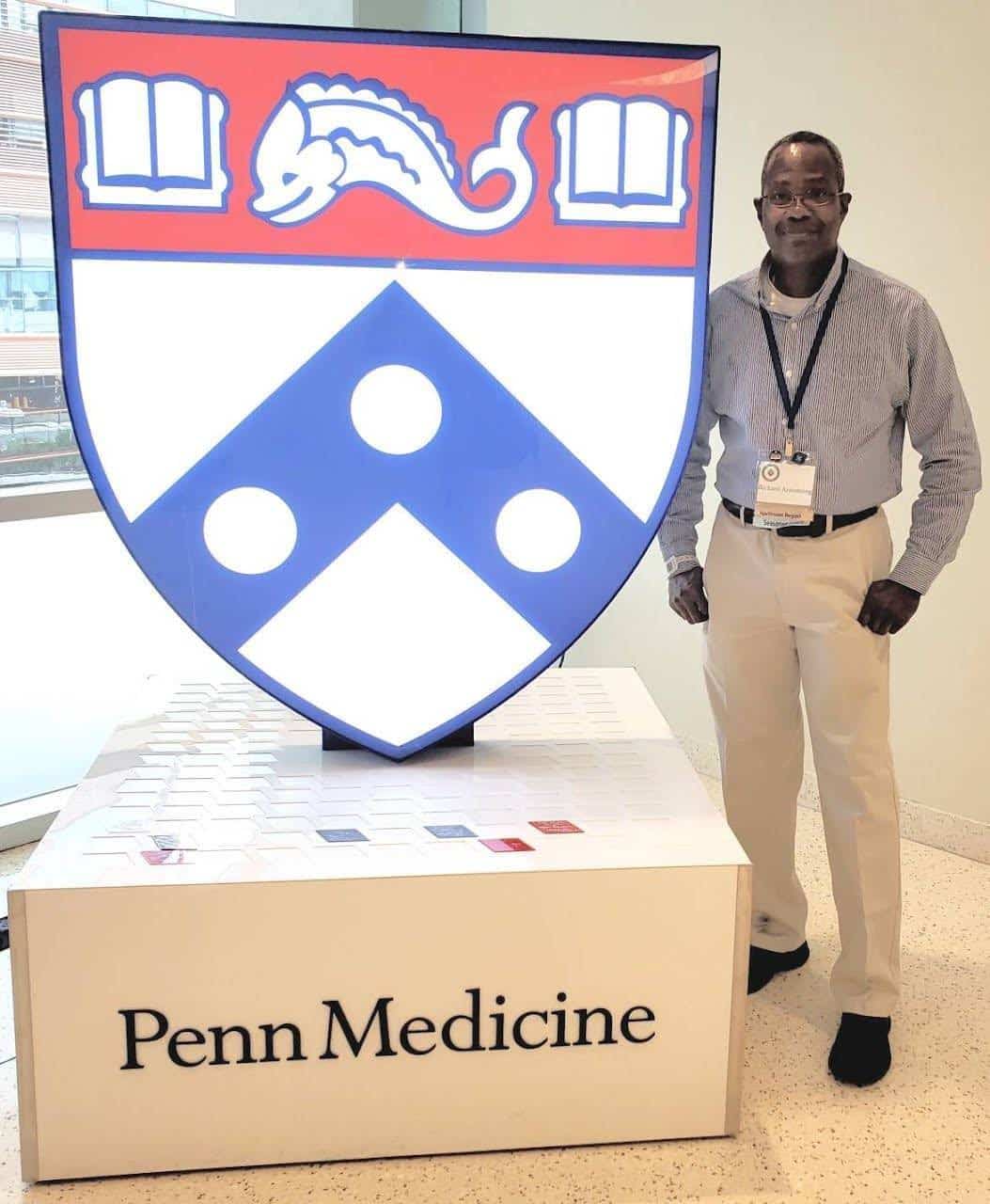 Photo courtesy of Richard
Multiple myeloma is a cancer of plasma cells that often affects the bones, kidneys, and immune system.
According to the
Mayo Clinic, “Early in multiple myeloma, there might be no symptoms. When signs and symptoms happen, they can include”:
Before his diagnosis, Richard had limited knowledge of the disease.
“I knew it was a blood-based cancer but didn’t know much else. While waiting for the biopsy, I looked up the symptoms and realized I had every single one: high calcium, kidney failure, anemia, and bone pain,” Richard notes.
Richard’s treatment process began urgently, with the primary goals being to address his kidney failure and bring his myeloma under control. Monoclonal antibody therapy
played a transformative role in his recovery dramatically reducing his myeloma levels and helping stabilize his condition.
“I also had a stem cell transplant,” Richard shares.
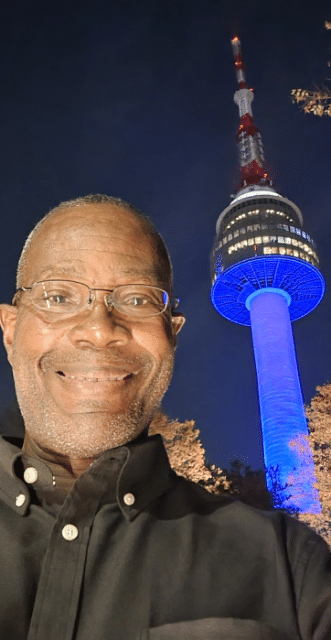 Photo courtesy of Richard
While Richard’s health has improved significantly, he remains mindful of living with a suppressed immune system. Simple acts like wearing a mask in public and being cautious with exposure have become essential. Yet, he emphasizes that he refuses to let these precautions limit his ability to live fully.
“Multiple myeloma is a tricky disease because it almost always returns. Accepting that reality while choosing to live fully is key. I’m incredibly fortunate to have effective treatment that allows me to travel, work, and even coach other patients,” Richard adds.
His journey has also brought profound realizations about the relationships in his life. Losing some connections during his battle was challenging, but it made space for new and meaningful bonds with people who understand and support him.
Some of these connections have come through the
HealthTree Foundation, where he now coaches other myeloma patients, offering them guidance and hope.
“HealthTree has been a blessing. I was assigned a coach who was on a similar treatment journey, and it completely changed my perspective. Knowing what’s possible—traveling, exercising, thriving—motivated me to help others. I now work to connect with patients, share resources, and show them that life with myeloma can still be rich and meaningful,” he shares.
Richard’s advocacy work stems from a deeply personal place. He recalls attending a HealthTree coaching summit and discovering that a friend had passed away from multiple myeloma after just 21 months. This loss profoundly affected him, as he felt the friend might have lived longer with better access to advanced treatments.
“Sharing my story is vital,” he says. “If even one person learns about the resources available and seeks help, it’s worth it.”
Richard works tirelessly to promote awareness of multiple myeloma, particularly in the Black community, where the disease is more prevalent yet often diagnosed late. He highlights the importance of routine blood work and specialist care, urging others to seek early intervention to avoid life-threatening complications.
For those diagnosed with multiple myeloma or supporting someone with the disease, Richard offers this advice:
Richard also encourages caregivers to reach out for support. “Caregivers are critical to the journey,” he says, “but they don’t have to navigate it alone. Organizations and communities are there to help.”
Despite the uncertainties of living with multiple myeloma, Richard embodies resilience and optimism.
“Give yourself permission to live life fully. That’s what I’ve learned. With myeloma, you never know when it might come back. It’s like a Hitchcock movie—it can feel like the danger is lurking. But I’ve learned to give myself permission to live, and I encourage everyone else to do the same. Don’t wait for something bad to happen—cherish each day and live well,” Richard concludes.
By subscribing, you consent to receive emails from BlackDoctor.com. You may unsubscribe at any time. Privacy Policy & Terms of Service.