For years, many families have relied on the Supplemental Nutrition Assistance Program (SNAP) to help meet their nutritional needs. While there have always been restrictions on what these food stamps could purchase, the latest change focuses on banning what it classifies as ‘junk food’. When policymakers first mentioned this modification, they gave the impression that it would be an easy change. Unfortunately, the reality is far from the truth, and it may be detrimental to those who depend on the program to keep their families fed.
By doing this, the administration aims to ensure that tax dollars are being used to buy healthy foods that support a health-conscious diet. The hope is that there will be a decrease in obesity and weight-related chronic illnesses that can be a burden on medical facilities. However, as the bans roll out, many experts are expressing concerns about what’s going to happen.
If you live in Virginia and use SNAP, you may not be able to buy ‘sweetened beverages’ starting in April. People who depend on SNAP in Tennessee may be banned from buying processed foods, candy, soda, and energy drinks as of July. The rules may even vary depending on whether or not you’re shopping online. That kind of variation will hardly result in widespread health changes if states decide that different food items are unhealthy.
In addition to having differing bans, experts note that some states haven’t provided retailers and other organizations with definitive lists of banned items. What exactly is a ‘sweetened beverage’? Even with candies, you have to state which types of sweets can’t be purchased. Does this include cough drops and other similar products that are usually consumed for medicinal purposes?
Sometimes, when a definition is given, it changes from one state to another. Hawaii defines soft drinks as ‘nonalcoholic carbonated beverages that have more than 10 grams of sugar per serving, which don’t include drinks that contain milk or milk substitutes, or drinks that are more than 50 percent fruit or vegetable juice’. However, Indiana defines soft drinks as ‘non-alcoholic sweetened drinks, including drinks with sugar or artificial sweeteners, but not including milk-based drinks, soy milk, rice milk, or drinks sweetened only with 100 percent fruit or vegetable juice’.
The lack of information is confusing as retailers aren’t sure which products their customers aren’t able to purchase. Similarly, manufacturers don’t know if they need to modify their distribution or materials to reflect that their products are no longer on the list of foods that can be purchased using your SNAP benefits.
To make things worse, experts warn that the entire program could buckle from the strain of dealing with these changes. With a stripped budget, SNAP is already struggling to meet its mandate. The ban could result in more complaints and more people not getting any nutritional value. When people try to shop and get rejected at the counter, they may opt not to buy the healthy foods they usually aim for or not eat well at all.
Additionally, health experts state that there’s no evidence that these kinds of restrictions will make people any healthier. They suggest that doing a study that encompasses statistics on what beneficiaries of SNAP usually purchase and their health status would have been a better place to start. That information would have shown whether or not these bans would have the results they desire.
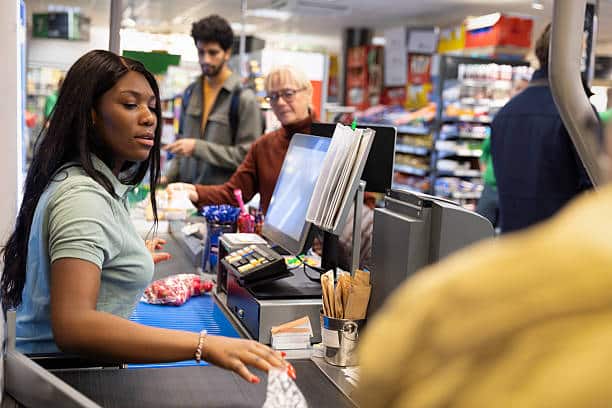
Finally, the effects of these bans are unlikely to only affect those who use SNAP benefits. The experts warn that the confusion at stores may cause longer shopping times as the lines at the cashier move more slowly. While these restrictions were suggested before, they weren’t implemented because the US Department of Agriculture (USDA) research showed that it was unlikely to positively affect how people ate. It was also determined that the changes would be too expensive and complicated to implement.
In fact, industry groups like the National Grocers Association estimated that implementing these SNAP restrictions would cost U.S. retailers $1.6 billion initially and $759 million every year afterward. That could mean an overall increase in the cost of buying food for everyone.
The first offense after the end of the 90-day period results in a warning letter. The next offense results in withdrawal from the program entirely. Interestingly, there doesn’t seem to be a period after which the first offense is no longer considered. That first warning letter means that the retailer is always at risk of being taken out of the program.
Of course, retailers can appeal any warnings they have received. However, this may take time and resources that they don’t necessarily have. Additionally, appealing doesn’t mean that they’ll receive a favourable response. Even after taking the time to undergo a re-assessment, they may not be placed on the list again. That means it’s in their best interest to comply.
If you’re in a state where bans have been implemented, it’s a good idea to check your state’s official SNAP website for guidance. For example, the West Virginia website has a definition of what it considers a soda. It says:
For the purpose of this waiver, soda is defined as any carbonated, non-alcoholic beverage that contains water, a sweetening agent (including but not limited to sugar, high-fructose corn syrup, or artificial sweeteners), flavoring, and carbon dioxide gas to create carbonation. This term includes beverages with added caffeine or other ingredients but does not include carbonated water without sweeteners or flavoring.
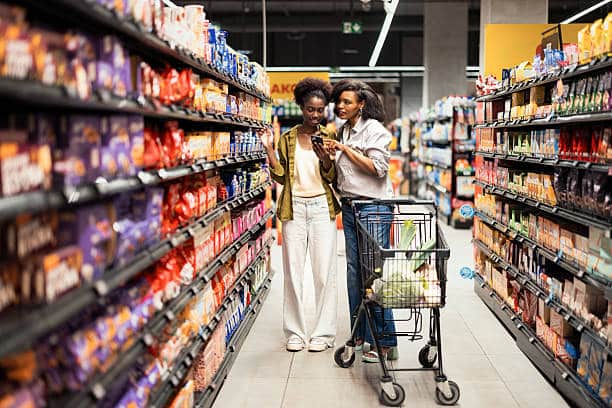
If you haven’t found a definition, then it may be helpful to go shopping when your stores aren’t as full or shop for the basics first. Talking to others or the cashiers may give you an idea of which products they have been rejecting for purchase with SNAP.
The new changes to SNAP benefits are being implemented on varying schedules, but they will likely be around until 2027. While various experts have their concerns about how these bans will affect the people who use SNAP, you have to find ways to effectively navigate them so you can still eat healthily.


By subscribing, you consent to receive emails from BlackDoctor.com. You may unsubscribe at any time. Privacy Policy & Terms of Service.