
Are you tired of dealing with painful hidradenitis suppurativa (HS) flare-ups that seem to come back just when you think your skin is getting a break? Whether you’re dealing with tender bumps, irritation, drainage, or lingering discomfort, finding ways to soothe your skin at home can feel like a constant challenge. While home remedies can’t cure HS, some simple strategies may help ease discomfort and protect your skin between flares.
RELATED: Stop Scratching! Try These Natural Remedies for Itchy Scalp
Here are some practical ways to care for HS-prone skin at home.

Apple cider vinegar goes excellently in many dishes, so it is a staple in most cupboards. Because of its anti-inflammatory properties, this common kitchen staple can soothe that unbearable itch.
The best way to apply this home remedy is to get a cup of water with two tablespoons of apple cider vinegar. Dip a Q-tip inside the mixture and slowly apply it to the dry, cracked skin. Repeat at least twice a week for best results.
RELATED: Stop Patting Your Head: 5 Tips To Stop Your Scalp From Itching

Coconut oil is another quick fix for that itchy hairline. The oil helps trap the moisture your hair needs to stay hydrated. As a bonus, it can help prevent the dryness from spreading.
Use about 2 or 3 tsp of coconut oil, rub it in your hands until it melts, then massage it into the affected area. Add essential oils like lavender or tea tree for extra relief.
RELATED: Q&A: How Do I Get Rid Of Scalp Psoriasis?

If you don’t have coconut oil on hand, shea butter is a great alternative that can help relieve that uncomfortable itch. Just melt it in a pot, or buy it pre-melted and gently massage it into the affected area. Do this for a couple of minutes, leave it in overnight, and wash it out with shampoo once you wake up.
While you sleep, the fatty triglycerides in the butter will hydrate your skin, and you’ll feel much better in the morning.
RELATED: Home Remedies For Psoriasis

Glycerine is a magic substance full of fat and can make you feel brand new. If you have a bottle of glycerin lying around, apply it to dry, itchy skin and let it work overnight.
Much like shea butter, glycerin is known for its fat content, which can trap moisture and provide ultra-relief.
RELATED: Beneath The Weave: How To Care For Your Hair & Scalp
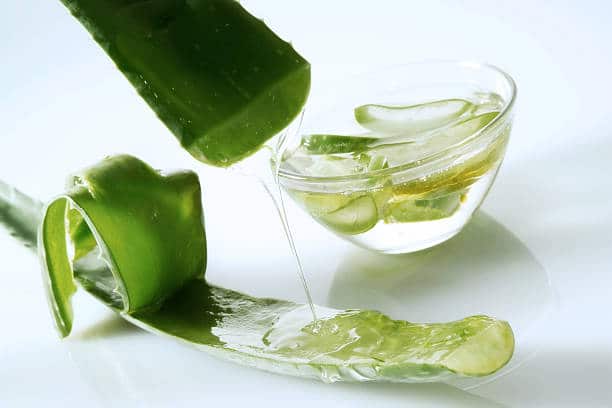
Aloe vera is a dresser staple for many people and is typically always within arm’s reach. With aloe vera in hand, gently apply ¼ to ½ cup to the affected area.
To boost the relieving properties, mix it with lavender oil before applying it. Its anti-inflammatory properties will soothe your skin with a cooling touch.
RELATED: Dandruff, Eczema or Psoriasis? How to Tell The Difference
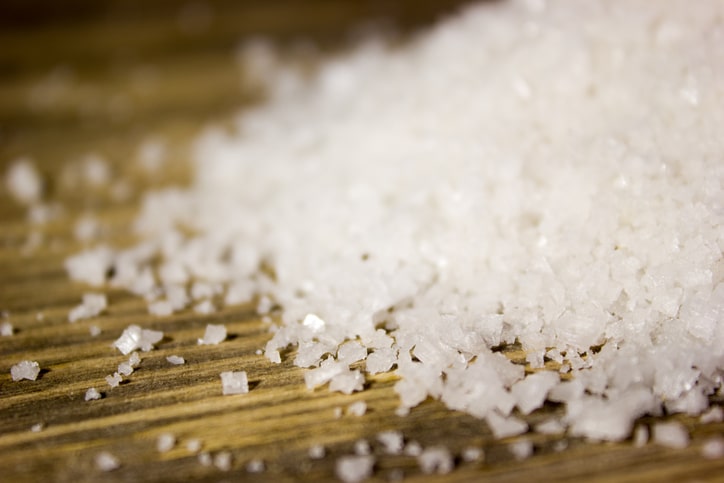
Sea salt is wonderful for elevating recipes, helping you float in the sea, and relieving that nagging itch. That’s right: all you need is a few spoonfuls of sea salt and a cup of water for some much-needed comfort.
Mix the sea salt into warm bathwater, then soak. Keep baths to a maximum of 20 minutes to prevent skin irritation or over-drying. After the time has passed, rinse and enjoy the relief.
RELATED: 5 Ways To Detox Your Scalp For Healthier Hair

Our final entry on this list is ginger, another staple in your food cupboard. However, unlike the previous remedies on the list, you can consume this one.
Mix:
Let it cool, then sip it through the night. You can make yourself a cup of ginger tea twice a day to help with your itching.
Living with hidradenitis suppurativa can mean dealing with more than painful bumps and flare-ups. For some people, itching, irritation, and sensitive skin can add another layer of discomfort to an already frustrating condition. The good news is that there are steps you can take at home to help calm irritated skin and make flare-ups a little more manageable.
Keep in mind, though, that home remedies and skin-care strategies can help with comfort, but they don’t treat the underlying inflammation that causes HS. Be gentle with your skin, avoid picking or scratching when you can, and pay attention to anything that seems to trigger or worsen your symptoms.
If itching becomes persistent, severe, or noticeably different from what you usually experience—or if it comes with increased pain, swelling, drainage, skin changes, or signs of infection—talk with your dermatologist or other healthcare professional. They can help determine whether your symptoms are related to HS or whether something else may be contributing to the itching.
Most importantly, you don’t have to simply push through uncomfortable skin. With the right combination of everyday skin care, symptom management, and medical treatment when needed, you can work toward feeling more comfortable in your skin and managing HS with greater confidence.



By subscribing, you consent to receive emails from BlackDoctor.com. You may unsubscribe at any time. Privacy Policy & Terms of Service.