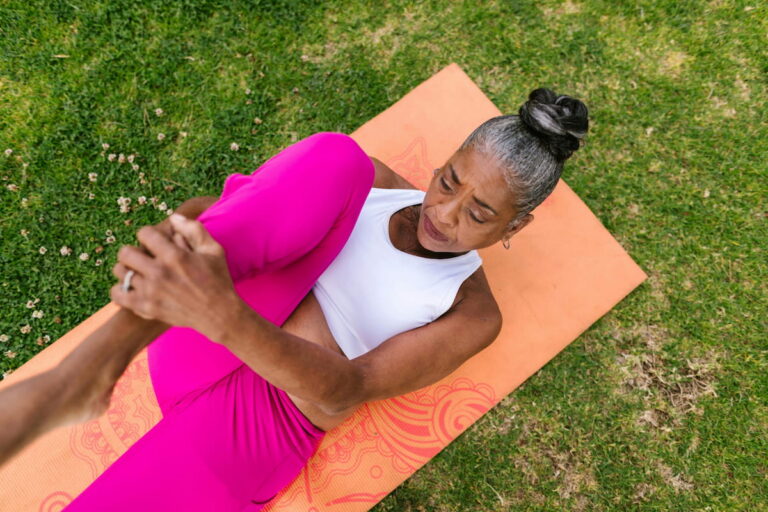
Every time Natalie Wayne climbs a mountain or goes speed skating, sugar pills are part of her equipment. Wright, who lives in Wakefield, Rhode Island, is a certified diabetes educator, an exercise physiologist, and a self-proclaimed “exercise nut” who happens to have type 1 diabetes. In addition to climbing and skating, she likes to work out on a trampoline and, just to keep things interesting, swing on a trapeze. Wayne has to take steps to keep her blood sugar from crashing while she exercises, but diabetes has never slowed her down. She knows that a good workout boosts both her body and her mind.
Exercising can improve anyone’s health, but it’s especially valuable for people with diabetes. Exercise can be crucial for people with diabetes if they are also overweight, especially those with type 2 diabetes, whose weight is a likely contributor to their disease.
Wayne urges all her clients with diabetes to get regular exercise. It can be a tough sell, but she believes in her product. After all, regular exercise greatly reduces the risk of cardiovascular disease, by far the leading killer of people with diabetes. Exercising also helps to keep the body limber and ward off depression.
For many patients with type 2 diabetes, physical exertion can often rein in high blood sugar as effectively as medication. Not only does exercise burn extra sugar in the blood, but it also helps make the body more sensitive to insulin. While patients who have diabetes will still require medication, some people with type 2 diabetes who embrace exercise and a healthy diet may be able to reduce their medications (under the supervision of their physician).
RELATED: Diabetes Management: Why Black People Need a Trustworthy Doctor
In fact, the current guidelines from the American Diabetes Association stress that exercise can help patients control their blood sugar. In one study involving nearly 20,000 pediatric patients with type 1 diabetes, researchers concluded that regular physical activity was “a major factor” influencing the children’s ability to control their blood sugar.
If you have type 1 or type 2 diabetes, your doctor has probably already told you to exercise more. If not, it’s time to have a talk with your doctor about the safest and most effective way to incorporate regular exercise into your plans to stay healthy.
The American Diabetes Association recommends at least 150 minutes a week of moderate exercise — that’s just a little more than 20 minutes a day — and two sessions of resistance exercises a week unless your doctor recommends against it. There’s no single plan that works for everyone. In general, the best exercises are the ones that you’ll actually do and enjoy. If you’re otherwise in good health, there’s no limit to the kinds of workouts you can try. People with diabetes are out there playing football, climbing rock faces, and running marathons. They’re also walking around the block and taking water aerobics classes and playing catch with their children. And they’re all doing something good for their bodies.
RELATED: Diet Or Exercise: Which Is More Effective For Managing Diabetes?
Your doctor can help you choose the exercises that best fit your abilities and needs. Depending on your condition, certain activities may be discouraged. In some cases, physicians will recommend testing the health of a patient’s heart before allowing him or her to participate in a strenuous exercise program. If you have numbness in your feet, for example, jogging could cause sores or even fractures; your physician may recommend that you switch to swimming or cycling. If you have unusual symptoms when you exercise, such as severe shortness of breath or chest pain, further testing might be needed to make sure it’s safe to work out. Your doctor may recommend swimming, bike riding, or short walks instead.
Remember: Exercise is powerful therapy — so powerful that you shouldn’t try it without a little professional guidance. (After all, you’d never start taking extra-strong diabetes pills without your doctor’s okay.) Your doctor can help you fit exercise into your overall health plan. You may need to adjust your medications, carry snacks or drinks, or tweak your diet to help prevent hypoglycemia (low blood sugar). This can happen to people with type 2 diabetes, but it’s much more common for people with type 1. If you have this type of diabetes, you’ll have to
work especially closely with your doctor to find the right balance of exercise, diet, and medications.
No matter how careful they are, people with type 1 diabetes should expect a few setbacks. Their sugar levels might crash unexpectedly, briefly putting them back on the sidelines.
“With all of my book smarts and experience, sometimes things don’t work out like they should,” Wayne says. “But tomorrow is a clean slate.”
Any diabetic who exercises should carry glucose tablets or some equivalent, such as Lifesavers, in case sugar level drops unexpectedly.
If you’re having trouble controlling your blood sugar during exercise, your doctor may refer you to an exercise physiologist who is specially trained to treat diabetics.
Your doctor or exercise physiologist can give you safety tips for your particular workouts. Here are a few general guidelines:
Warm-up with five to 10 minutes of gentle stretching and five to 10 minutes of light aerobic activity (such as walking or jogging in place).
Proper footwear is essential, especially if you have poor circulation or numbness in your feet. A gel insert and polyester or poly-blend socks will help keep your feet comfortable, dry, and blister-free.
Check your feet carefully for blisters and other sores before and after exercise.
Dehydration can affect your sugar levels, so be sure to get plenty of fluids before, during, and after exercise. Water is often an excellent choice. Your doctor may suggest taking along some fruit juice or sugary sports drink if you’re at risk for low blood sugar.
Wear a diabetes identification bracelet or tag. This precaution is especially important if there’s a chance you could lose consciousness from hypoglycemia.
People with diabetes are just like everyone else — if they’re not used to breaking a sweat, it can be very hard to get started. Wayne motivates her clients by having them check their blood sugar before and after a walk.
“When they see the numbers drop, it really clicks,” she says.
If they’re still having trouble taking that first step, she encourages them to find a friend or family member who’ll walk or jog or ride bikes with them. It’s much easier to stick to an exercise routine if you don’t have to do it alone.
Exercise isn’t a miracle cure, but it’s still one of the best things you can do for your body. So talk to your doctor, get moving, and have fun.



By subscribing, you consent to receive emails from BlackDoctor.com. You may unsubscribe at any time. Privacy Policy & Terms of Service.